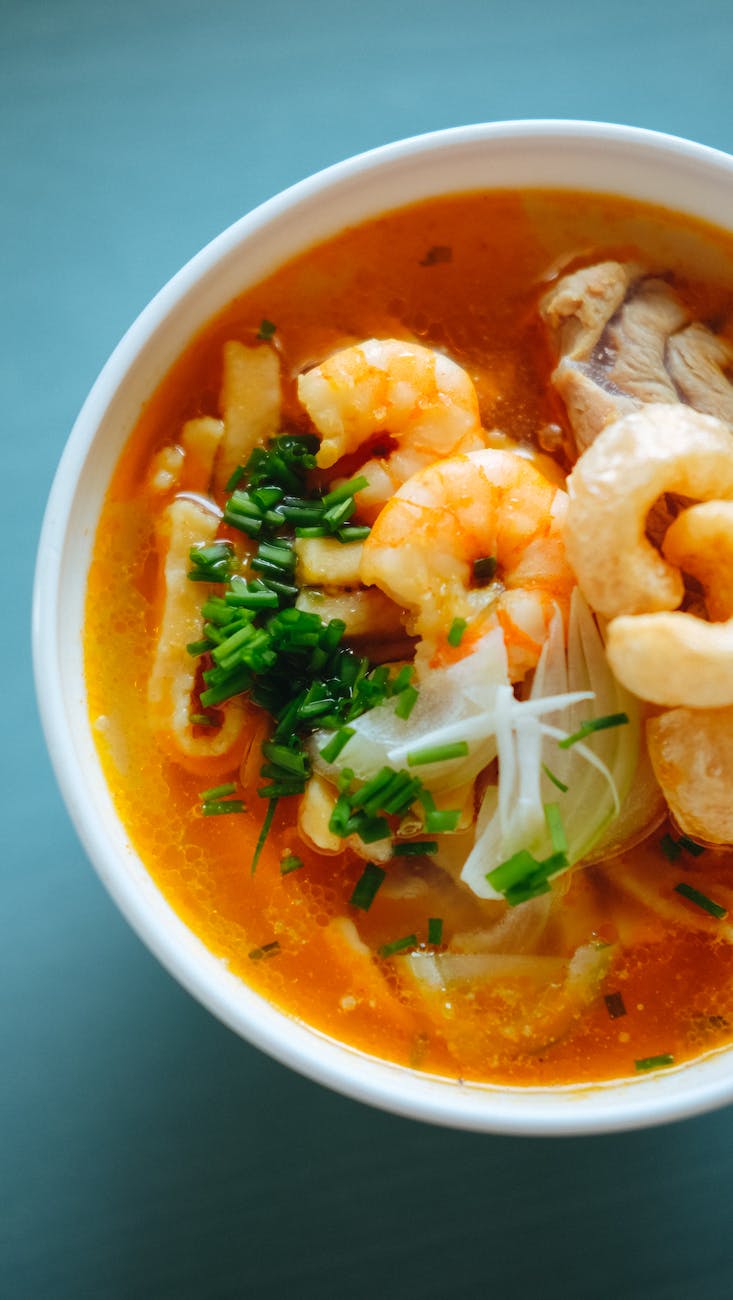
In the late 19th century, tom kha was not a soup. It was a dish of chicken or duck simmered in a light coconut broth with a generous amount of galangal. It was then served with a basic roasted chili jam as a dipping relish. Since the dish is very popular, there are also other versions of the soup – vegetarian, tofu, seafood, and pork tom kha are just some of its varieties. It is traditionally served with rice on the side, garnished with coriander leaves and diced tomatoes.
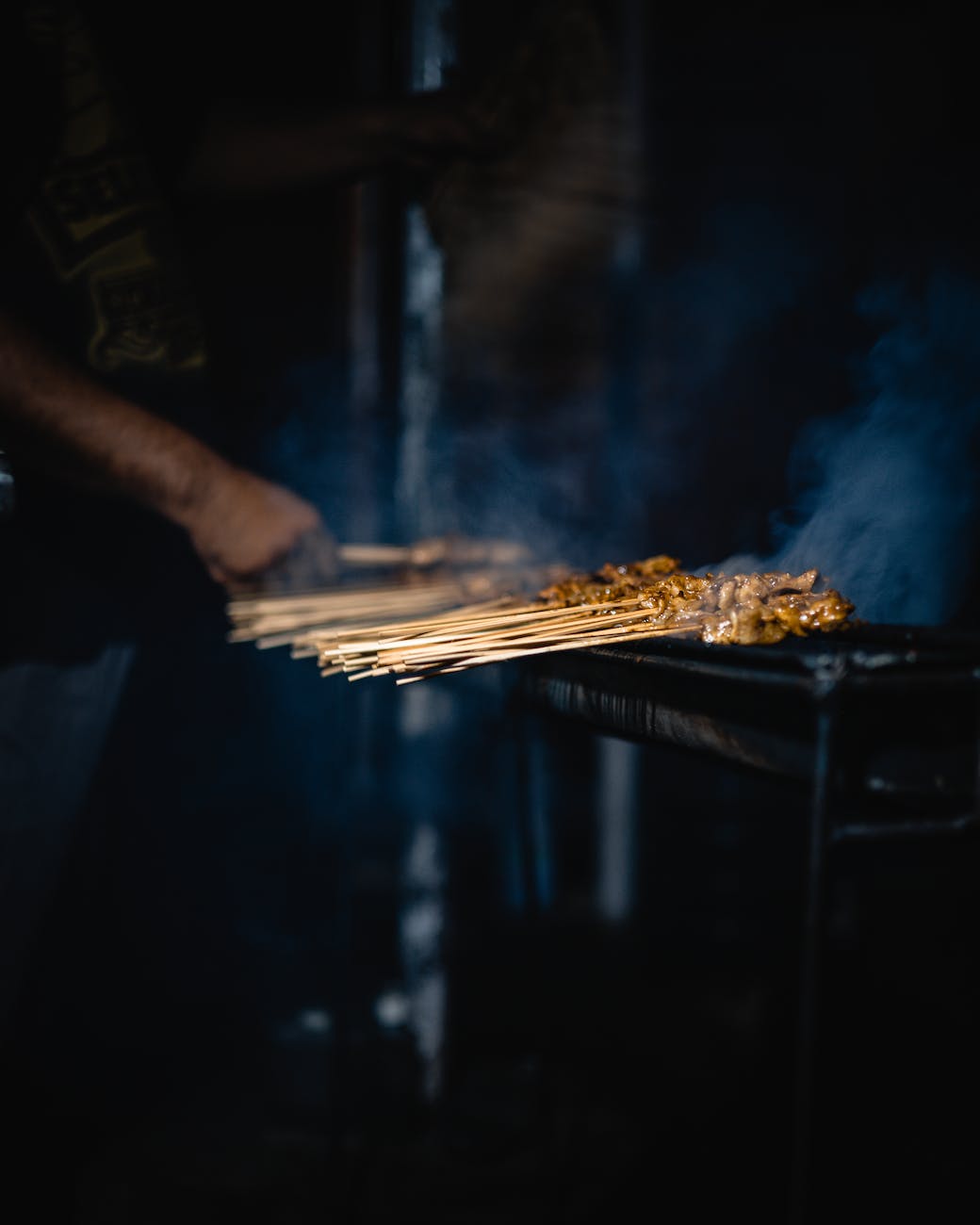
Satay has been influenced by Indonesian, Malaysian and Thai cuisine but its origin has been widely agreed to be the Indonesian island of Java. Satay is a meat dish that is marinated, skewered, grilled and served commonly with a peanut sauce. Recipe soon spread out to the nearby countries of Southeast Asia due to their close proximity, and the travel and trade ties that existed between these countries. Satay can be found in many Southeast Asian countries including Malaysia, Singapore, Thailand, the Philippines, Brunei, and East Timor, where it has adapted to the local cooking style and ingredients, having its own distinct flavor.
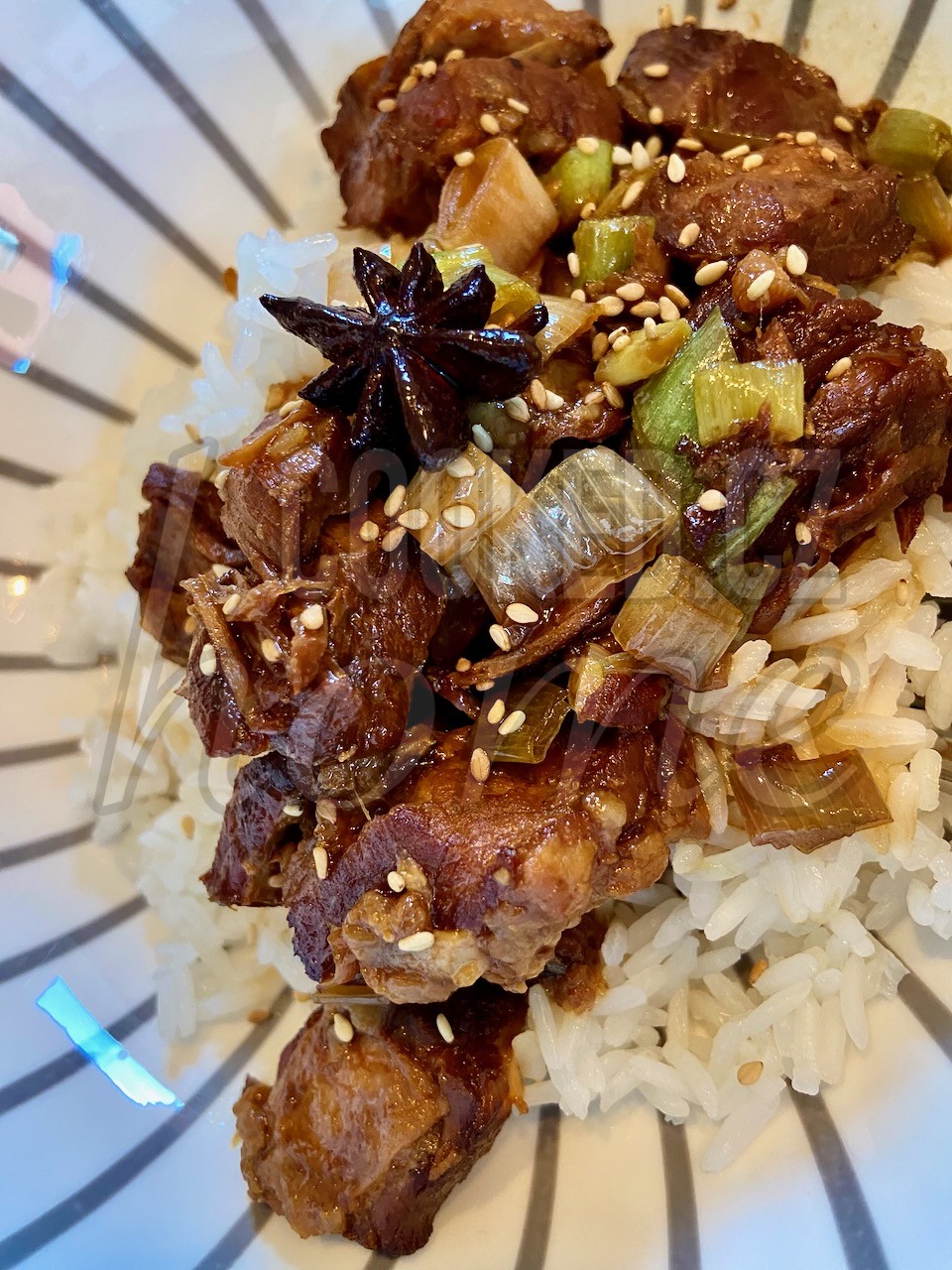
Hong Shao Rou (红烧肉) is a popular Chinese dish. Literal translation of the dish is red braised pork. Essence of this recipe is braising pork in soy sauce and sugar, which gives the sauce a glossy caramelized finish. The dish originates from the Chinese province of Hunan, but nowadays it is associated with Shanghai. It was favorite dish of Mao Tse-tung, the founding father of China, and it is often referred to as Chairman Mao’s red braised pork.
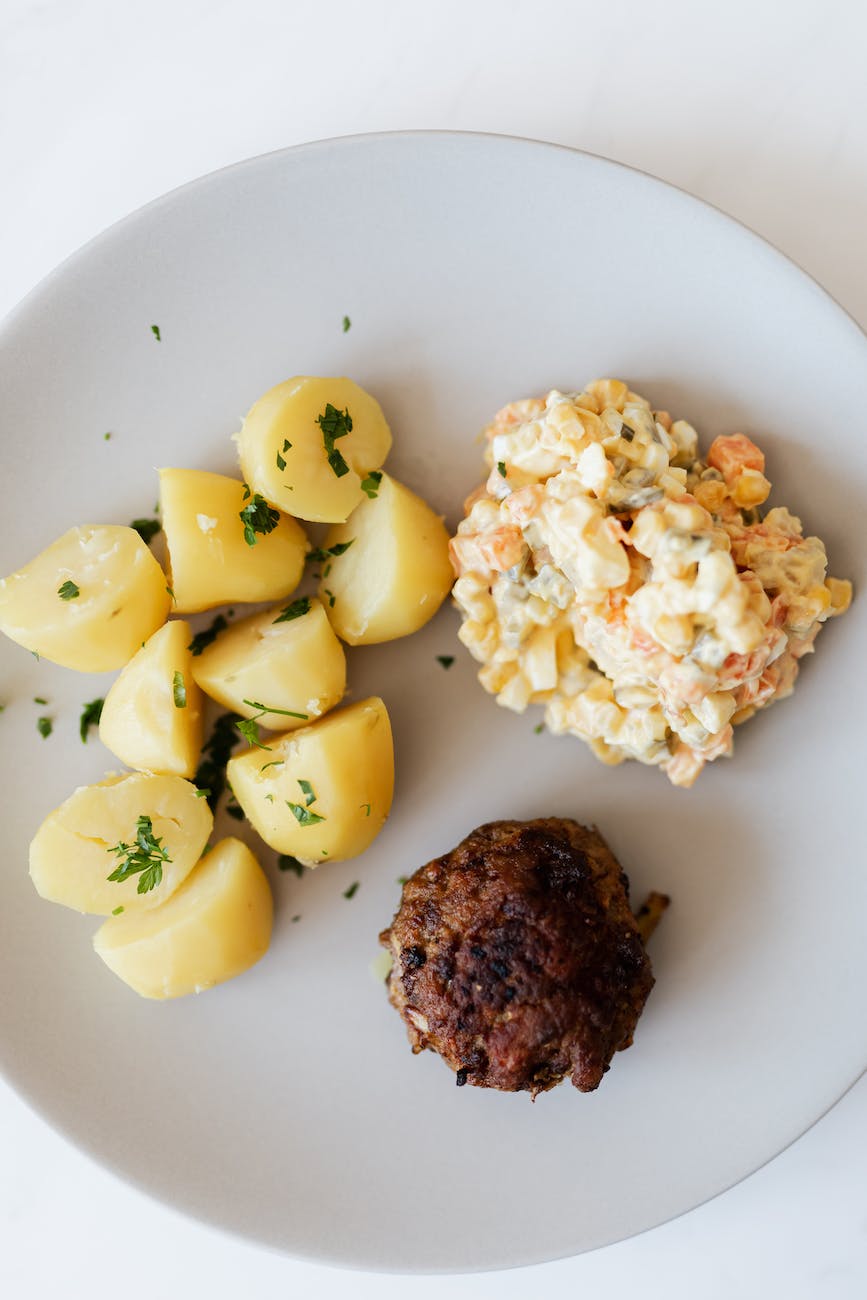
This side dish is traditionally served over the festive periods like Christmas in the most parts of the Europe. It’s unclear how and who invented this recipe, we might call it folk recipe. Nowadays this side dish is common also outside of festive periods.
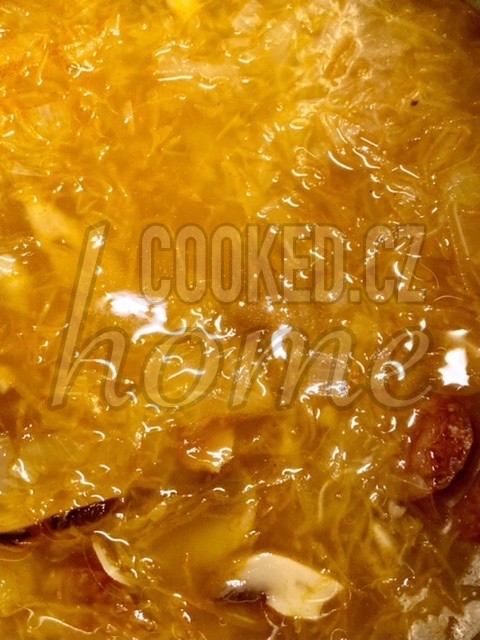
This recipe is Slovak version of the Sauerkraut soup which is traditionally served during Christmas festivities. No one is more associated with sauerkraut than Gemans but they didn’t invent this dish and there is tons of variations of this recipe across Europe. Over 2000 years ago the Chinese were building the great wall of China and needed to feed thousands of workers in a remote area. They found probably one of the most remarkable things about cabbage that you can preserve it with no refrigeration or canning by fermenting it. They didn’t use salt, probably because salt was scarce back then, but they used a rice wine to ferment and preserve the cabbage and it was a nutritious dish that fed the workers and kept them healthy and strong.

This recipe combines two techniques. Firstly the potatoes are fried in the butter. In the later stages they are boiled in the stock. The liquid cooks them further and eventually gets absorbed by potatoes an helps them to brown further. We end up with nicely crispy potatoes packed with flavors.

The old fashioned cocktail is served since the mid-1800s. Old fashioned recipe is known as very first cocktail, before the development of advanced bartending techniques and recipes in the later part of the 19th century. Till today it’s one of the most iconic and very popular cocktail amongst the whisky lowers. There is many variations of this cocktail. That’s simply because you can swap the sugar with so many interesting ingredients like honey, agave syrup, golden syrup and create a lot of new and interesting variations of this drink.

The old fashioned cocktail is served since the mid-1800s. Old fashioned recipe is known as very first cocktail, before the development of advanced bartending techniques and recipes in the later part of the 19th century. Till today it’s one of the most iconic and very popular cocktail amongst the whisky lowers.

Sweet & rich cake with raisins. Very close to Italian panettone bread. Ideal with coffee or yogurt. This recipe is designed for home bakery which makes things even easier where you just dump the ingredients in the given order and run the baking program.
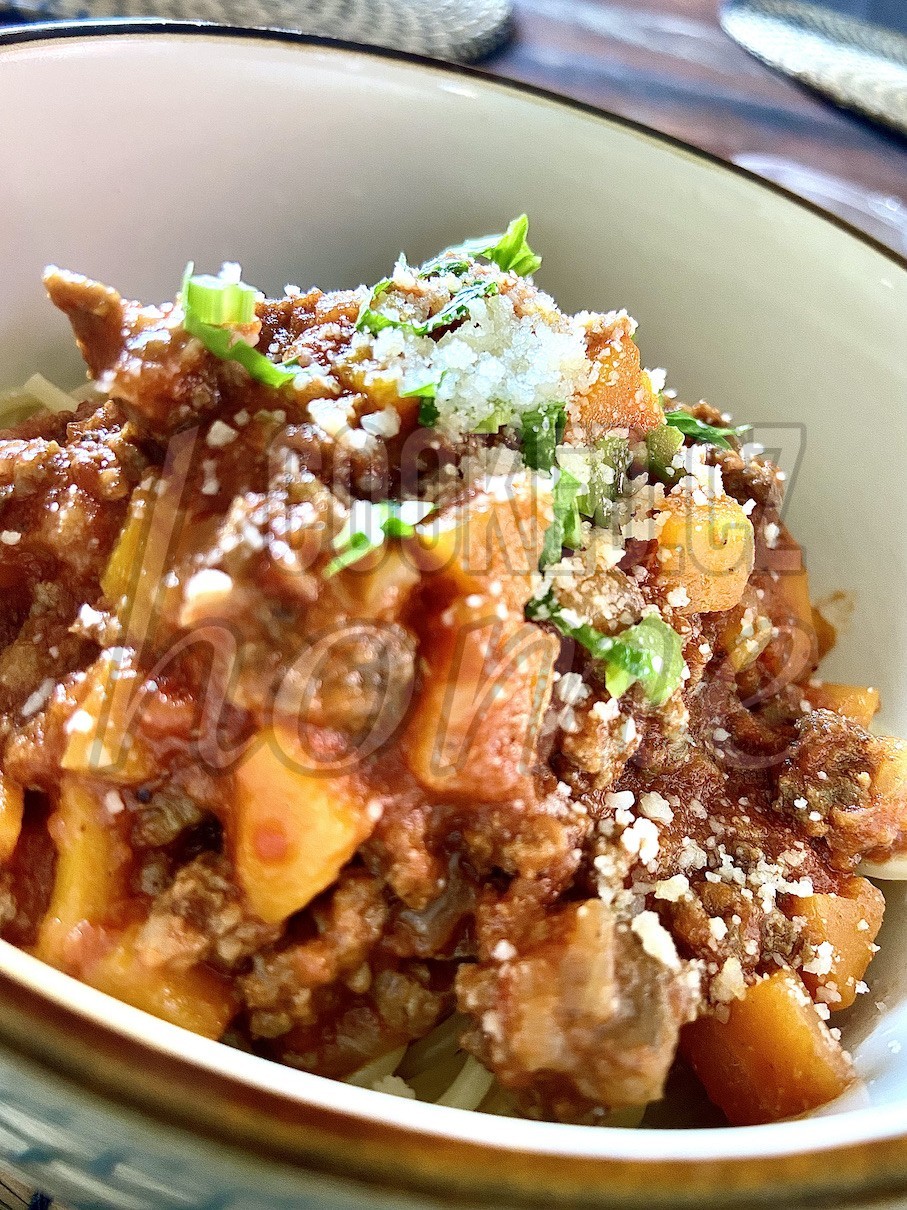
The history of Bolognese sauce, also known as ragù alla Bolognese, is deeply rooted in Italian culinary traditions. It originates from the city of Bologna in the Emilia-Romagna region of Northern Italy. The sauce has a rich and complex history that dates back several centuries. The earliest known recipe resembling Bolognese sauce can be found in a cookbook called “L’Apicio Moderno” written by Cesare Lancellotti in the late 18th century. However, the sauce likely existed in some form even before that time. It is believed that the recipe for ragù alla Bolognese has been passed down through generations in Bologna, evolving and refining over time.