
The origins of kimchi fried noodles can be traced back to the early 20th century when Chinese immigrants settled in Korea and brought with them their traditional dishes. Over time, these dishes were adapted to the local palate and ingredients, giving rise to Korean-Chinese cuisine. Kimchi fried noodles became particularly popular in the 1960s and 1970s when Korean-Chinese restaurants began to appear in cities throughout Korea. This dish is variation of dish known as “jjajangmyeon” in Korean, is a popular Korean-Chinese dish that combines the spicy and tangy flavor of kimchi with the savory flavor of stir-fried noodles.

Kimchi cheese toast is a popular fusion dish that combines the Korean staple food, kimchi, with Western-style cheese toast. The exact origin of this dish is unclear, but it is believed to have emerged in South Korea in the 2000s as part of the growing trend of Korean fusion cuisine. Kimchi cheese toast has become a popular snack or light meal in South Korea, and has also gained popularity in other parts of the world, particularly in areas with a large Korean population or a strong interest in Korean cuisine. It is often served in cafes, restaurants, or street food stalls, and is also easy to make at home.

Earliest recorded instances of cookies dates back to Persia in the 7th century AD, where they were often served to guests with tea. Cookies eventually made their way to Europe through the Muslim conquests, and by the Middle Ages, various types of cookies were being made throughout the continent. The modern cookie, as we know it today, is thought to have originated in the United States in the 18th century, where Dutch settlers brought their tradition of making “koekjes,” or small cakes, to New Amsterdam (now known as New York City). Over time, these “koekjes” evolved into the cookies we know and love today, with countless variations and flavors.
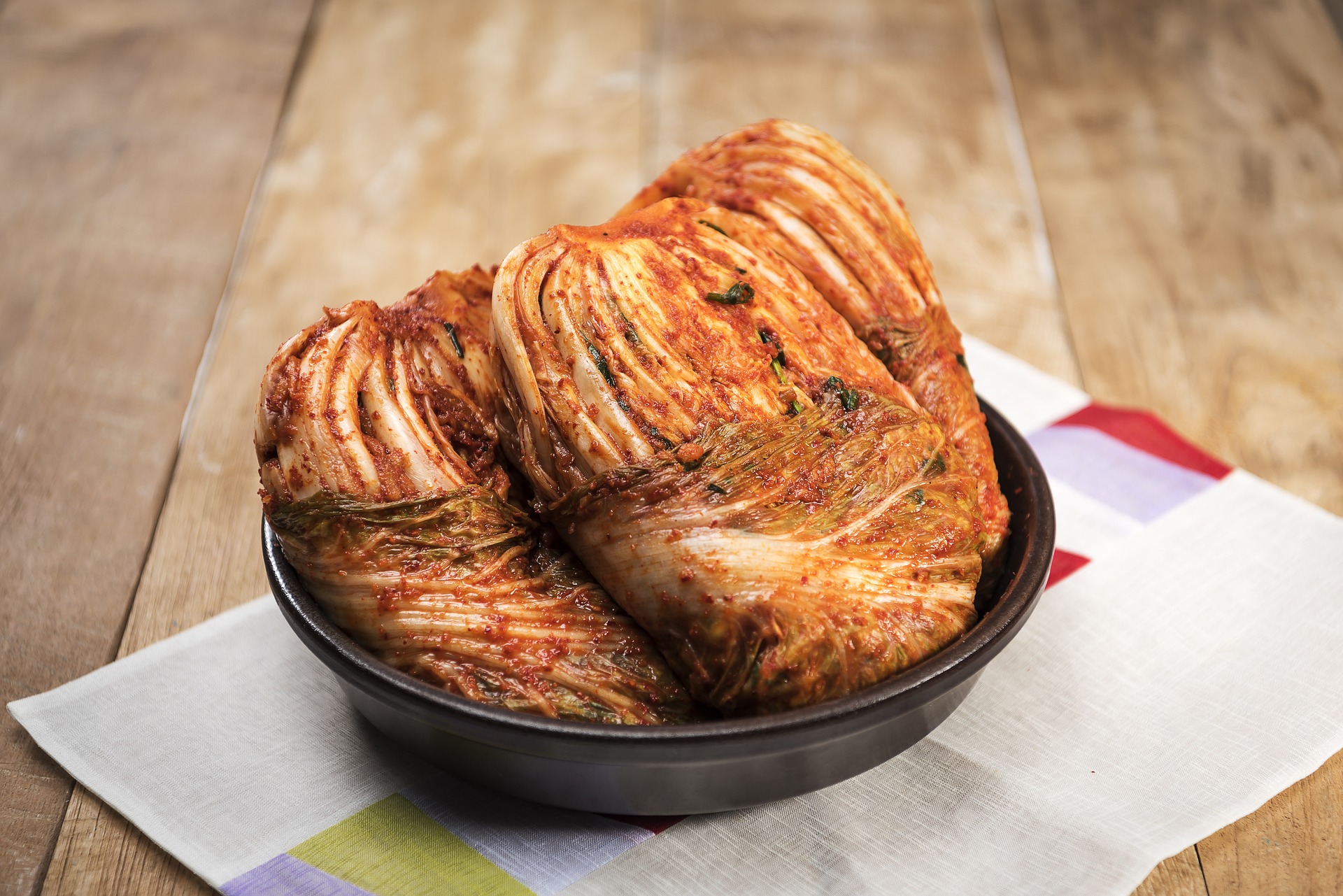
Kimchi is a traditional fermented dish from Korea that has been consumed for over a thousand years. It is made by fermenting vegetables such as napa cabbage, radish, scallions, or cucumbers, along with spices, salt, and other ingredients. The origins of kimchi can be traced back to ancient times, when people in Korea used to preserve vegetables by salting them and storing them in earthenware jars. Over time, this process evolved into the fermentation of vegetables with spices, which created a delicious and healthy food. Kimchi was an important part of the Korean diet, particularly during the winter months, when fresh vegetables were scarce. It was also considered a medicinal food, believed to help prevent illness and improve digestion. In the 16th century, kimchi became even more popular in Korea after the introduction of chili peppers, which added a spicy kick to the dish. The use of chili peppers also had health benefits, as it helped to increase circulation and improve digestion.
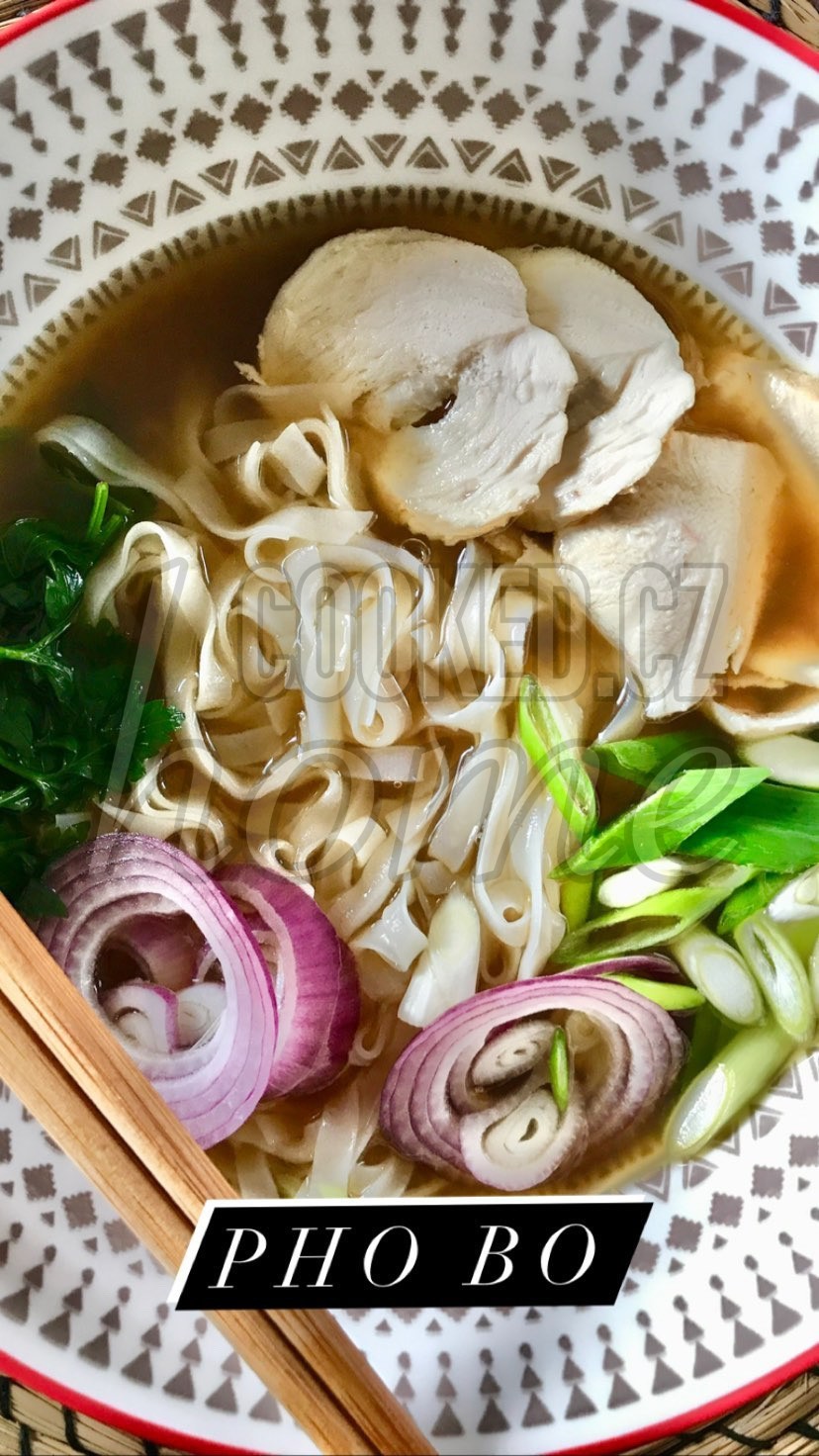
Pho soup is a traditional Vietnamese soup that has become popular around the world. The history of pho soup dates back to the early 20th century, during the French colonization of Vietnam. Pho soup was initially developed in Northern Vietnam, in the Hanoi region, as a street food sold by vendors who would roam the streets with their portable kitchens. The word “pho” is believed to have been derived from the French word “pot-au-feu,” which means “pot on the fire.” The original pho soup was made with beef bones, which were simmered for several hours to create a flavorful broth. The broth was then seasoned with spices such as star anise, cinnamon, and cloves, and served with rice noodles, thinly sliced beef or chicken, and fresh herbs like cilantro and basil. Pho soup quickly became popular among the working class in Vietnam, who would often eat it for breakfast or lunch. As the popularity of pho soup grew, more and more vendors began to sell it, and it eventually spread throughout the country.
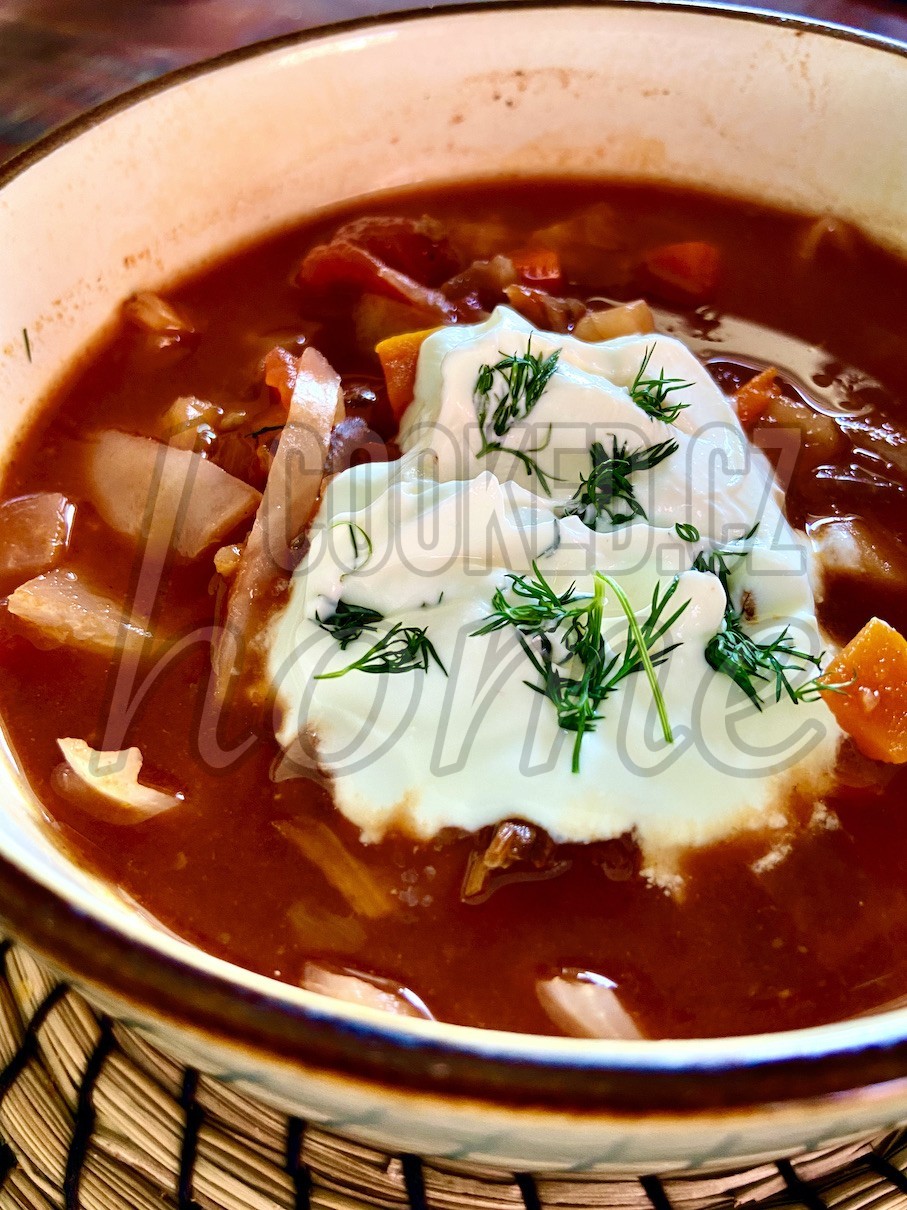
Borscht is a soup that is traditionally associated with Eastern European cuisine, particularly the cuisines of Ukraine, Russia, and Poland. The origins of borscht are somewhat unclear, but it is thought to have originated in the region of Eastern Europe that is now Ukraine. The earliest recorded mention of borscht dates back to the mid-16th century in Ukraine. The soup was made with beetroot, which was a popular ingredient in Ukrainian cuisine at the time. The name “borscht” comes from the Ukrainian word “borshch,” which means “sour.”
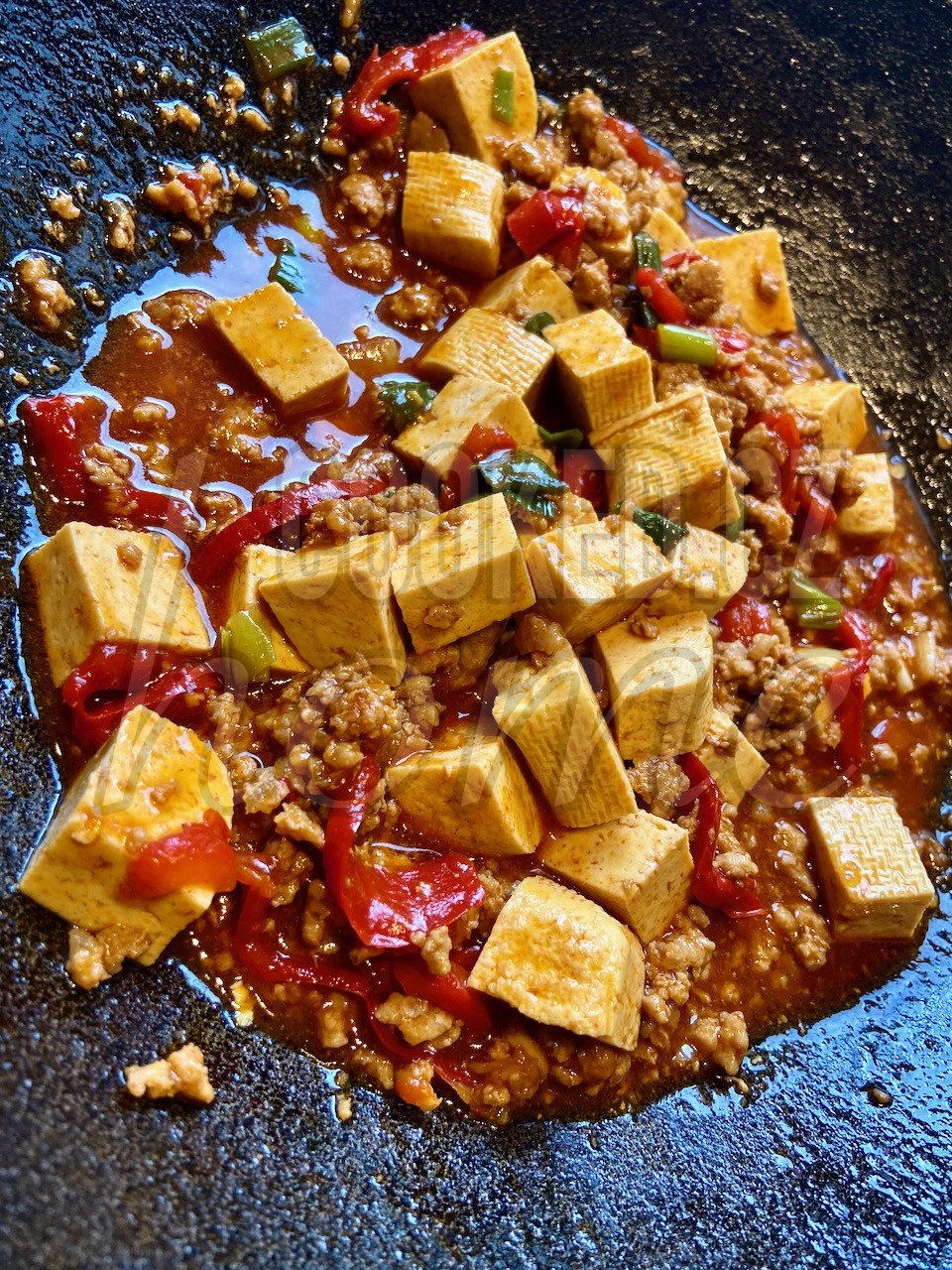
The history of Sichuan Mapo Tofu dates back to the Qing Dynasty in the late 1800s. The dish was created by a woman named Chen Mapo, who was the owner of a small restaurant in the Sichuan province. Chen Mapo was known for her delicious tofu dishes, and she created Sichuan Mapo Tofu as a way to use up leftover ingredients and satisfy her customers. The name “Mapo” comes from Chen Mapo’s nickname, which means “pockmarked old woman” in Sichuanese dialect. Legend has it that Chen Mapo was known for her pockmarked face, but her tofu dishes were so delicious that people continued to flock to her restaurant despite her appearance.
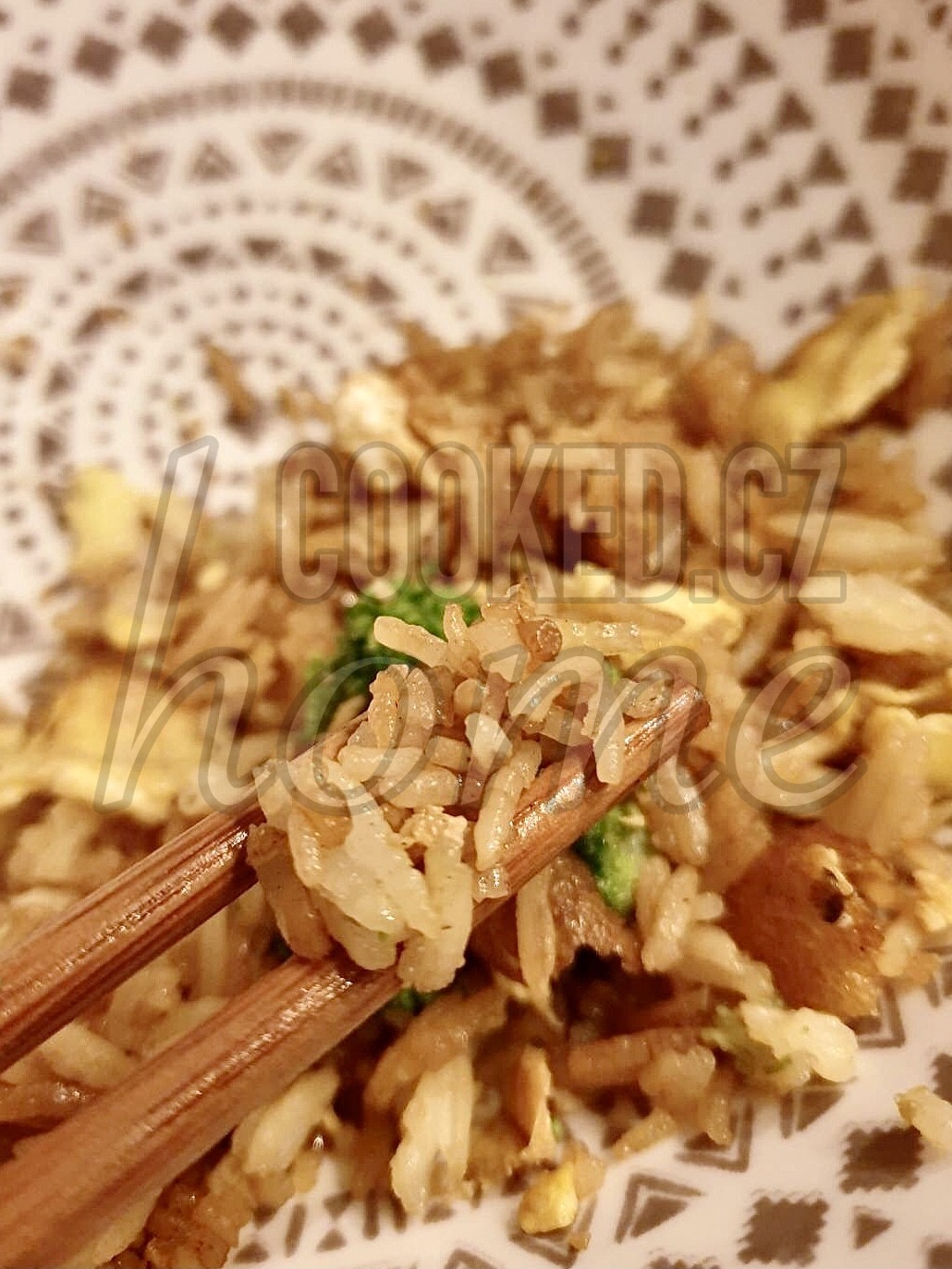
The history of egg fried rice is not entirely clear. Fried rice itself is a dish that originated in China, and it is believed that egg fried rice may have originated there as well. One theory suggests that fried rice was first created during the Sui dynasty in China (581-618 AD), while others believe it may have originated during the Song dynasty (960-1279 AD). It is said that fried rice became particularly popular during the Ming dynasty (1368-1644 AD), when it was served as a breakfast dish. Over time, the dish spread to other parts of Asia and beyond, and variations of it have been developed in different regions and cultures.
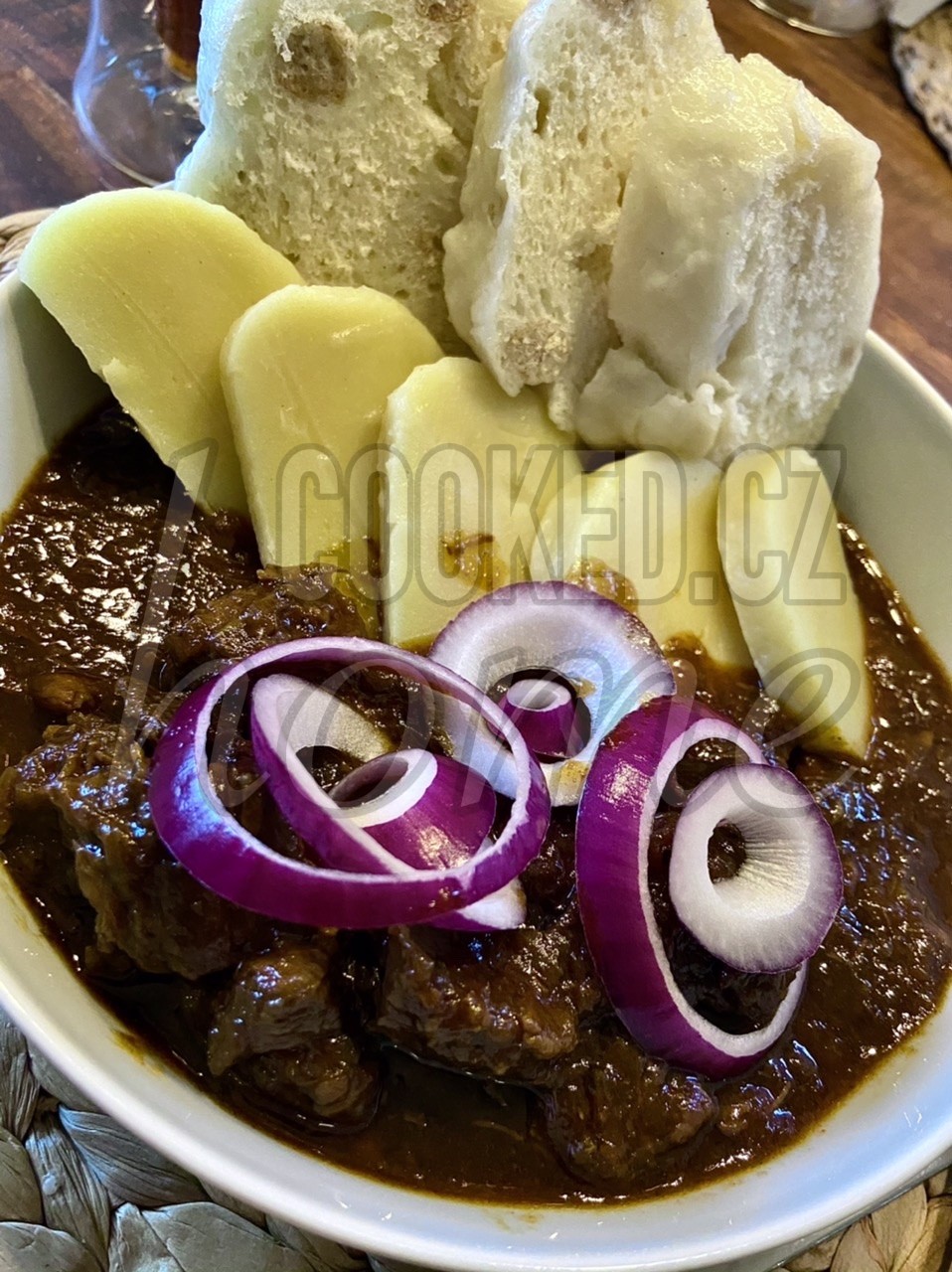
Czech black beer goulash is a traditional Czech dish that has been around for centuries. It is a hearty stew made with beef, vegetables, and dark beer. The use of dark beer in goulash is unique to Czech cuisine, and it gives the dish a rich, robust flavor. The dish is typically served with bread dumplings or boiled potatoes, and it is a popular meal during the colder months. The history of Czech black beer goulash is closely tied to the history of beer brewing in the Czech Republic, which has a long and rich tradition dating back to the Middle Ages. Czech black beer goulash has its roots in the medieval kitchens of Bohemia, which is now the western part of the Czech Republic. In those days, goulash was a staple dish for the working class, as it was filling, flavorful, and could be made with relatively cheap ingredients such as beef, vegetables, and beer. Over time, the dish evolved and became a popular meal for all classes of society. In the 19th century, the use of dark beer in goulash became more widespread, and the dish became known as Czech black beer goulash. The addition of dark beer was inspired by the traditional Bohemian style of brewing, which favored dark, full-bodied beers. The use of dark beer in goulash not only added flavor but also helped to tenderize the beef and bring out the flavors of the other ingredients.
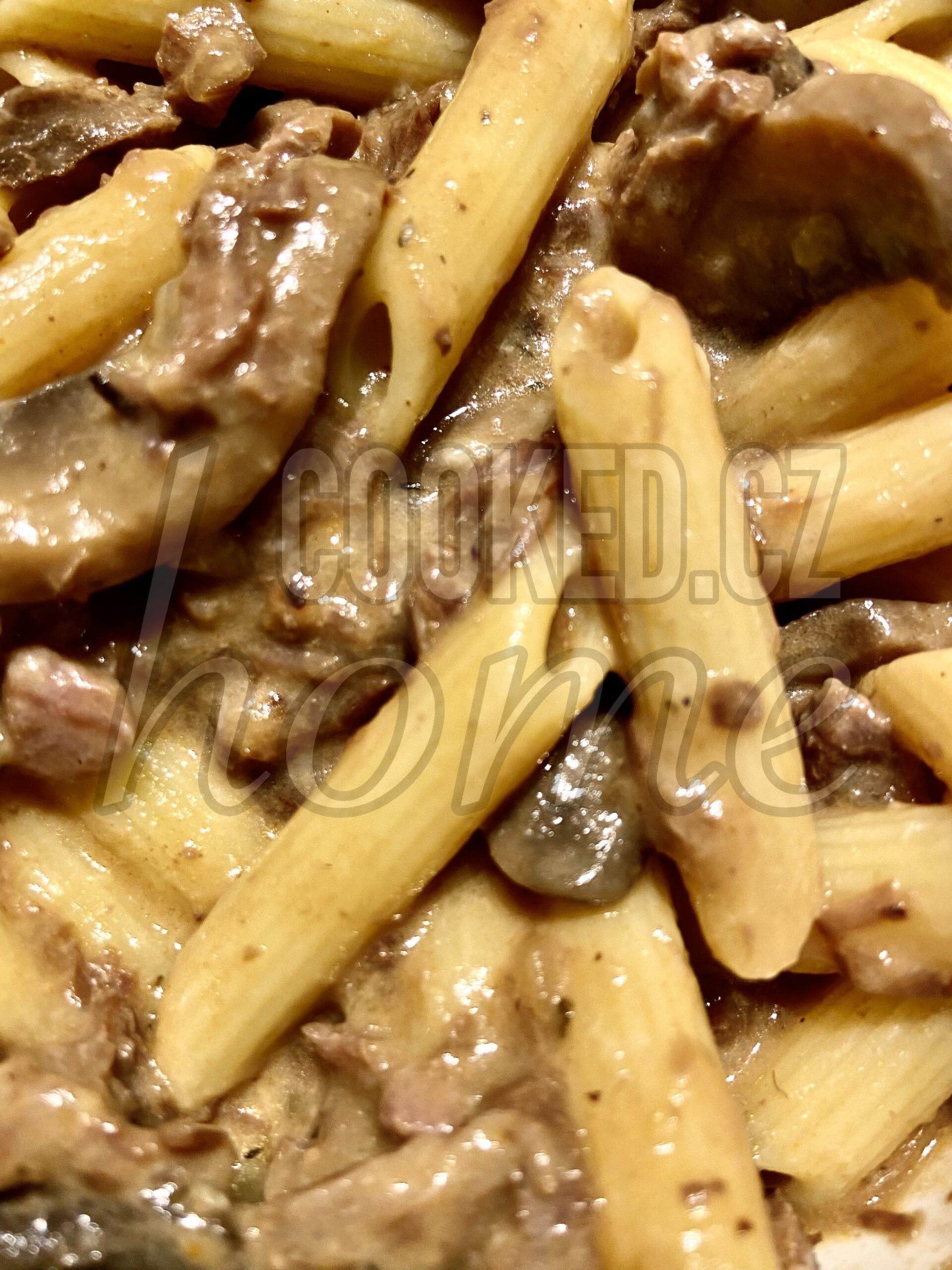
Beef Stroganoff is a classic Russian dish made with sautéed beef and sour cream sauce. The origins of Beef Stroganoff are not entirely clear, but it is believed to have been created in the mid-19th century by a chef in the service of the Stroganoff family, a wealthy Russian family with strong ties to the Imperial Court. The original recipe for Beef Stroganoff featured thin strips of beef, sautéed in butter and served in a rich sour cream sauce. Over time, the recipe evolved to include other ingredients such as mushrooms, onions, and mustard. It became popular in Russia and other parts of Europe, and eventually made its way to the United States, where it became a popular dish in the mid-20th century.