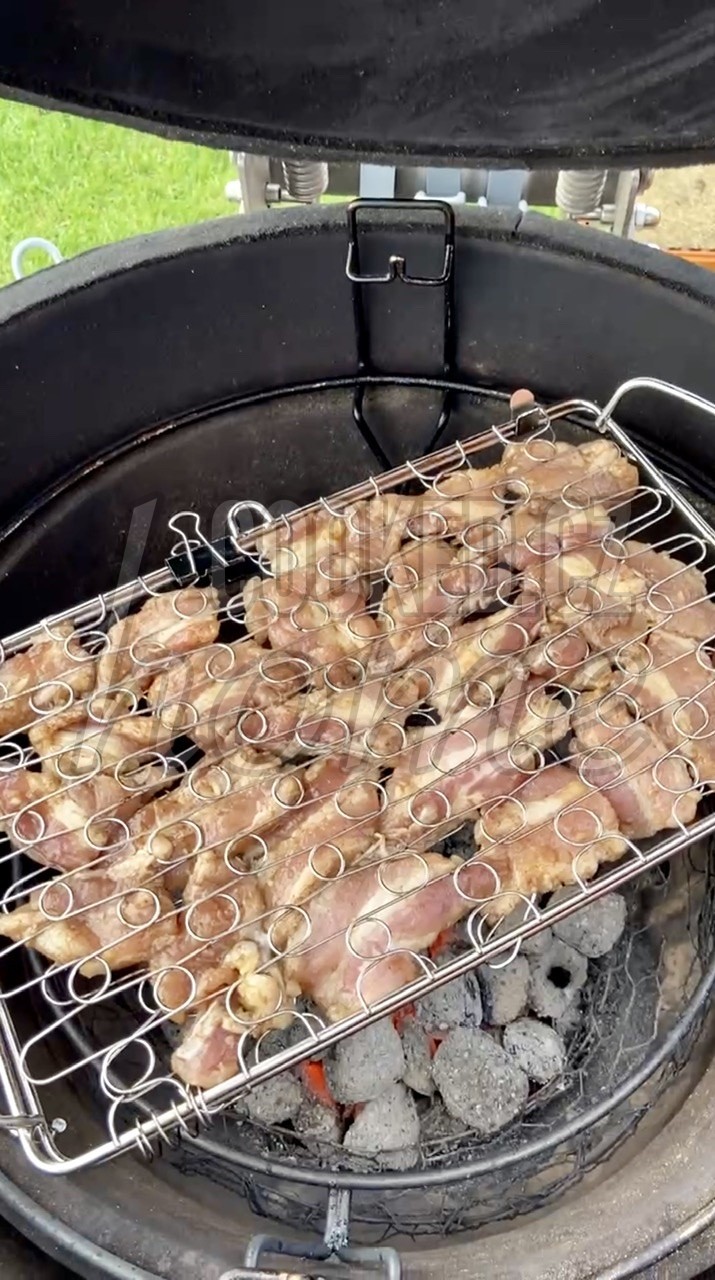
Bun cha is believed to have been created in the early 20th century and has since become an iconic and beloved dish in Vietnamese cuisine. The exact origin story of bun cha is not well-documented, but it is believed to have developed as a street food dish in Hanoi. Hanoi is known for its vibrant street food culture, and bun cha quickly gained popularity among locals and visitors alike. Bun cha is traditionally eaten by combining the noodles, grilled pork, and fresh herbs in a bowl and then dipping them into the nuoc cham sauce. The dish is known for its balance of flavors and textures, with the smoky and savory pork complemented by the freshness of the herbs and the tanginess of the dipping sauce.
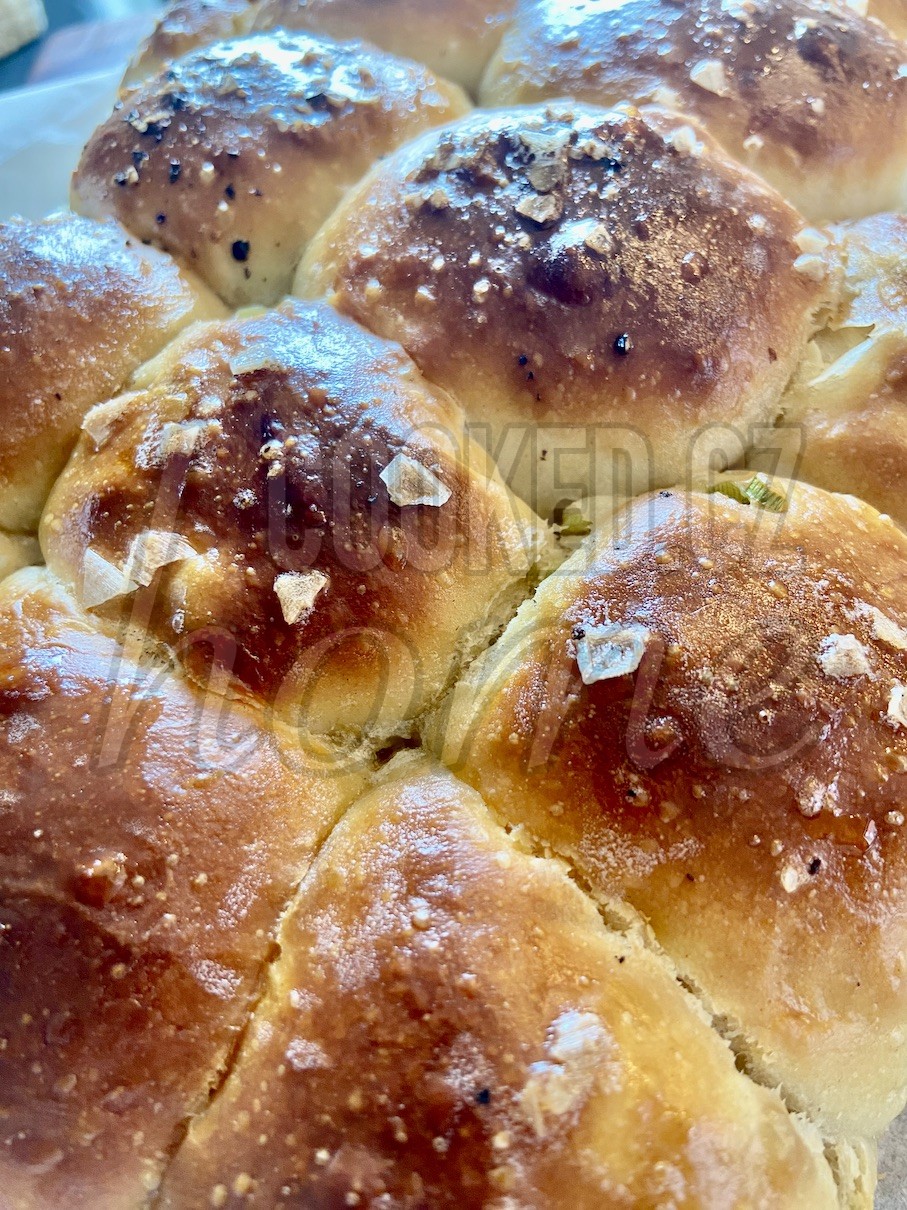
One of the earliest examples of dinner rolls can be found in ancient Egypt. The Egyptians were skilled bakers, and they made small, round breads that resembled modern dinner rolls. These breads were often leavened with natural yeasts or sourdough starters. During the Middle Ages in Europe, bread played a vital role in the daily diet. Bakers developed various types of bread, including rolls, to cater to different preferences and occasions. Dinner rolls, also known as “manchet” or “manchets,” were made with fine white flour and were typically softer and lighter than other bread types. These rolls were consumed by the upper classes and were considered a symbol of wealth and status. As European immigrants settled in North America, they brought their culinary traditions, including bread-making techniques. Dinner rolls became a staple of American cuisine, particularly during Thanksgiving and other festive occasions. The iconic Parker House Rolls, named after the historic Parker House Hotel in Boston, gained fame in the 19th century. These rolls were soft, buttery, and folded in half before baking, creating a distinctive shape. In this recipe we use technique borrowed from Japanese milk bread that uses something called a tangzhong, cooked paste made from flour, milk, and water that, when added to a dough, increases the ability of that dough to hold onto moisture.
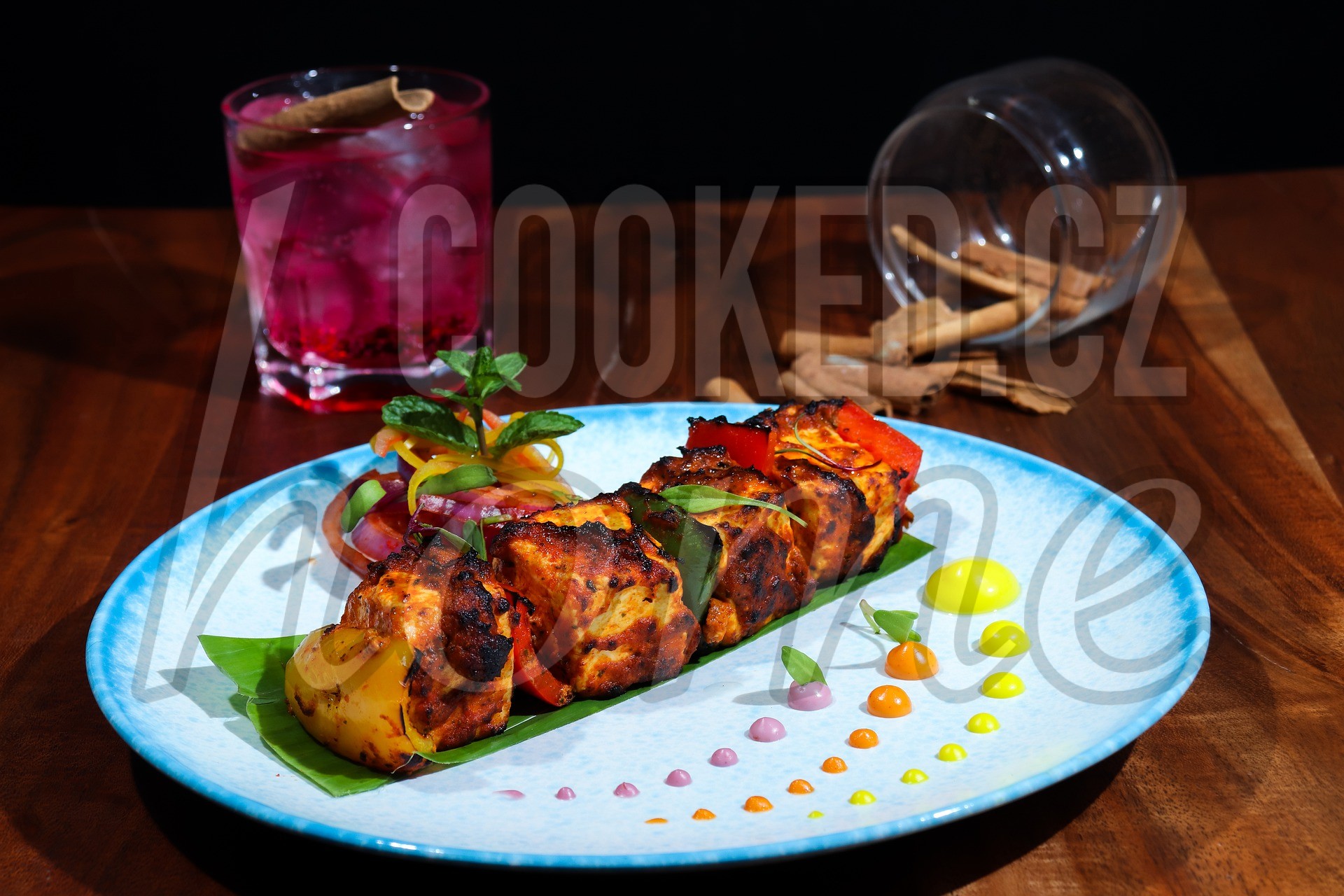
The history of Tandoori Chicken Tikka can be traced back to the Mughal era in India, which spanned from the 16th to the 19th centuries. The Mughals, who were known for their extravagant and sophisticated cuisine, introduced many Persian and Central Asian dishes to India. Tandoori cooking was one such culinary tradition that was brought to the region by the Mughals. The Mughal emperors and their nobles were known for their love of rich and flavorful food. They developed a method of cooking meat in a tandoor, which is a cylindrical clay oven heated by charcoal or wood fire. This cooking technique allowed for the intense heat to seal in the flavors and juices of the meat while giving it a distinct smoky flavor. Tandoori Chicken Tikka was created by marinating small pieces of chicken in a mixture of yogurt and spices such as cumin, coriander, turmeric, ginger, garlic, and chili powder. The marinated chicken was then skewered and placed in the tandoor to be cooked until tender and slightly charred on the outside.
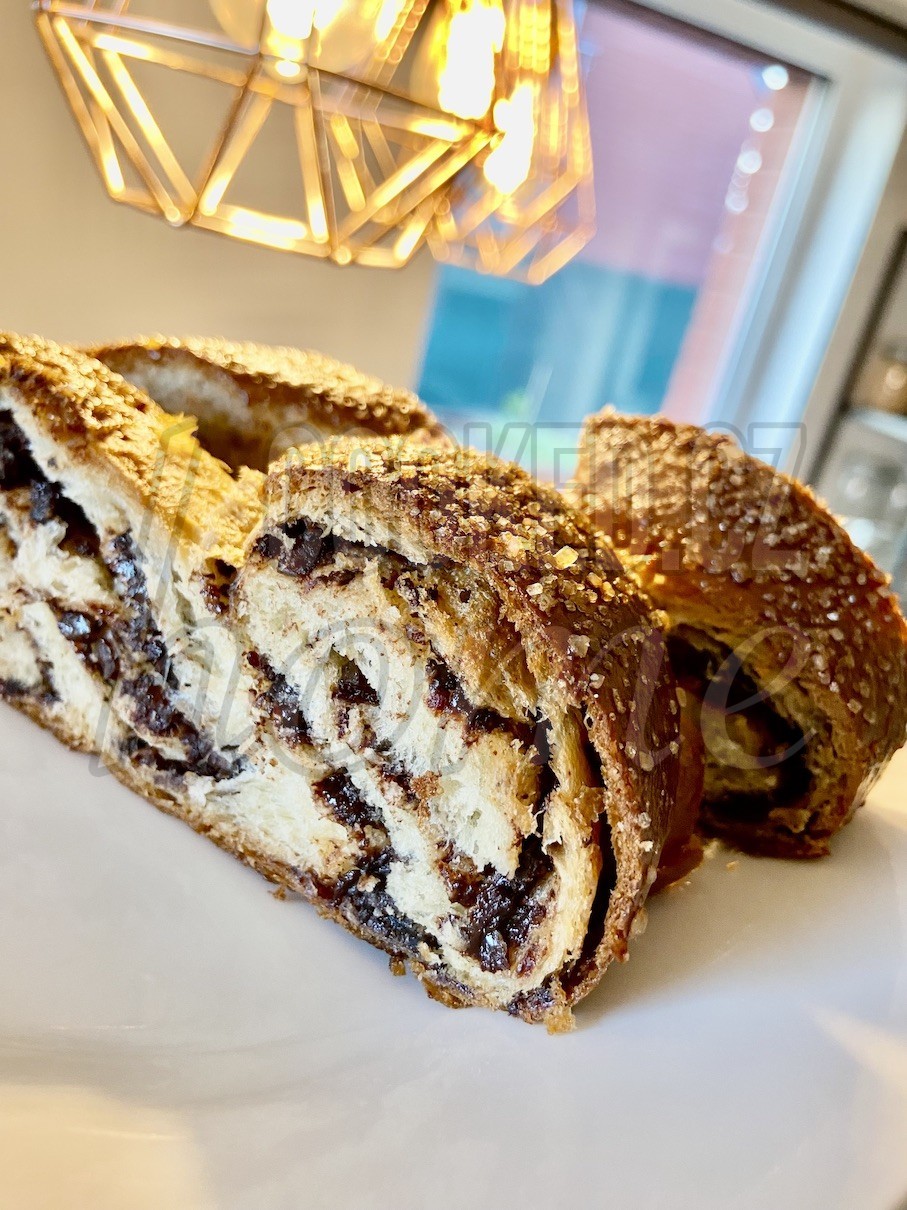
The history of the Babka recipe is rooted in Eastern European Jewish culinary traditions. Babka is a sweet yeast-risen bread or cake that has become popular in Jewish communities and beyond. The exact origins of Babka are not entirely clear, but it is believed to have originated in Eastern European countries such as Poland and Ukraine. Babkallah is braided version of the Babka, comes from Challah which is traditional Jewish braided bread. The word “Babka” means “grandmother” in Polish and Ukrainian, which suggests that the recipe has been passed down through generations. In its traditional form, Babka is a rich, sweet bread made with butter, eggs, and often flavored with ingredients such as chocolate, cinnamon, nuts, or dried fruits. The dough is typically rolled out, filled with the chosen ingredients, and then twisted or braided before baking.
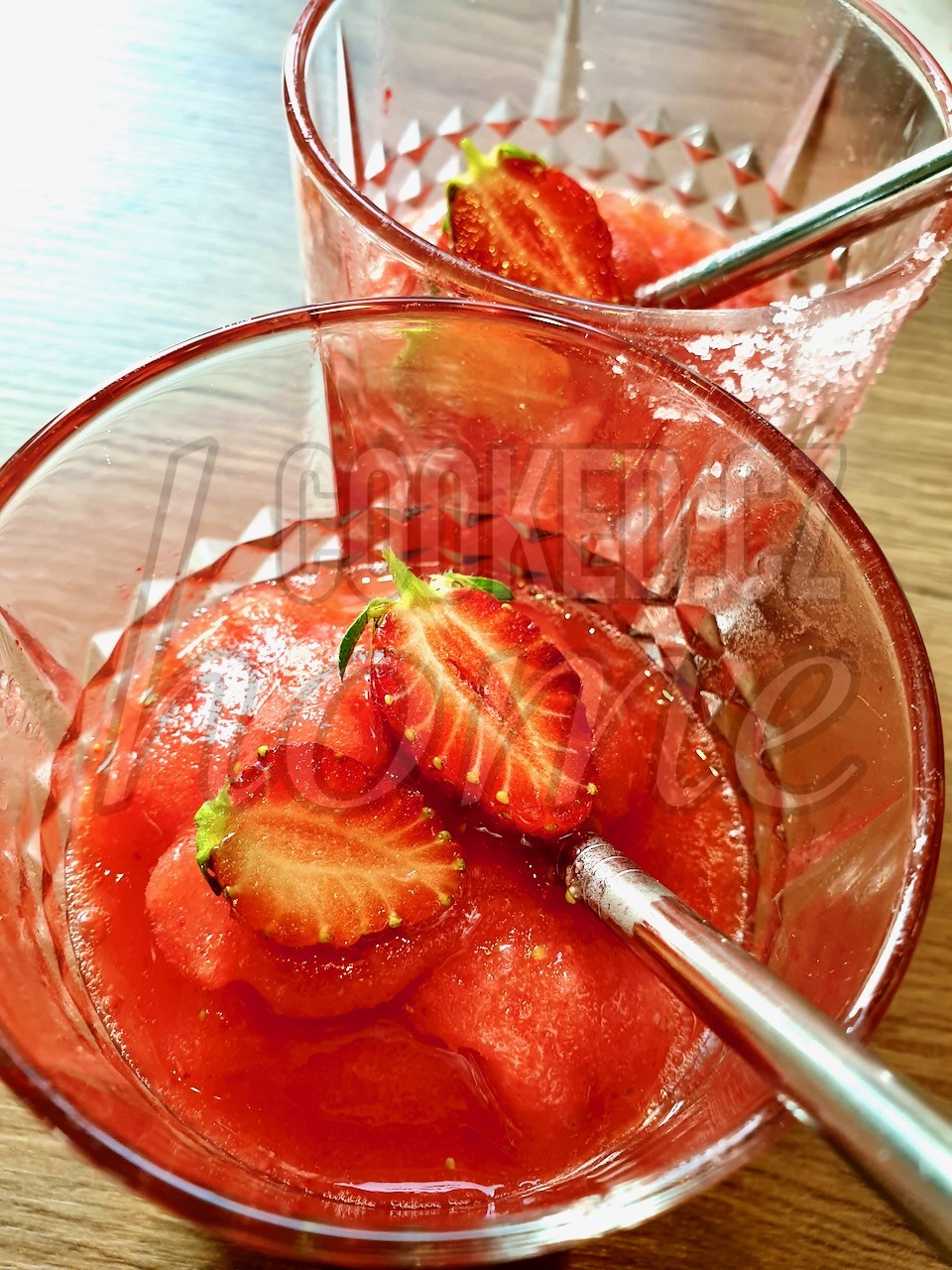
The popular Frozen Margarita cocktail is said to have been created by a Dallas restaurateur named Mariano Martinez in 1971. Inspired by the Slurpee machines he saw at a 7-Eleven store, Mariano Martinez got the idea of using a frozen machine to create a consistent and convenient frozen margarita. He acquired a soft-serve ice cream machine and modified it to blend and dispense a mixture of tequila, lime juice, and triple sec, creating the first frozen margarita machine.
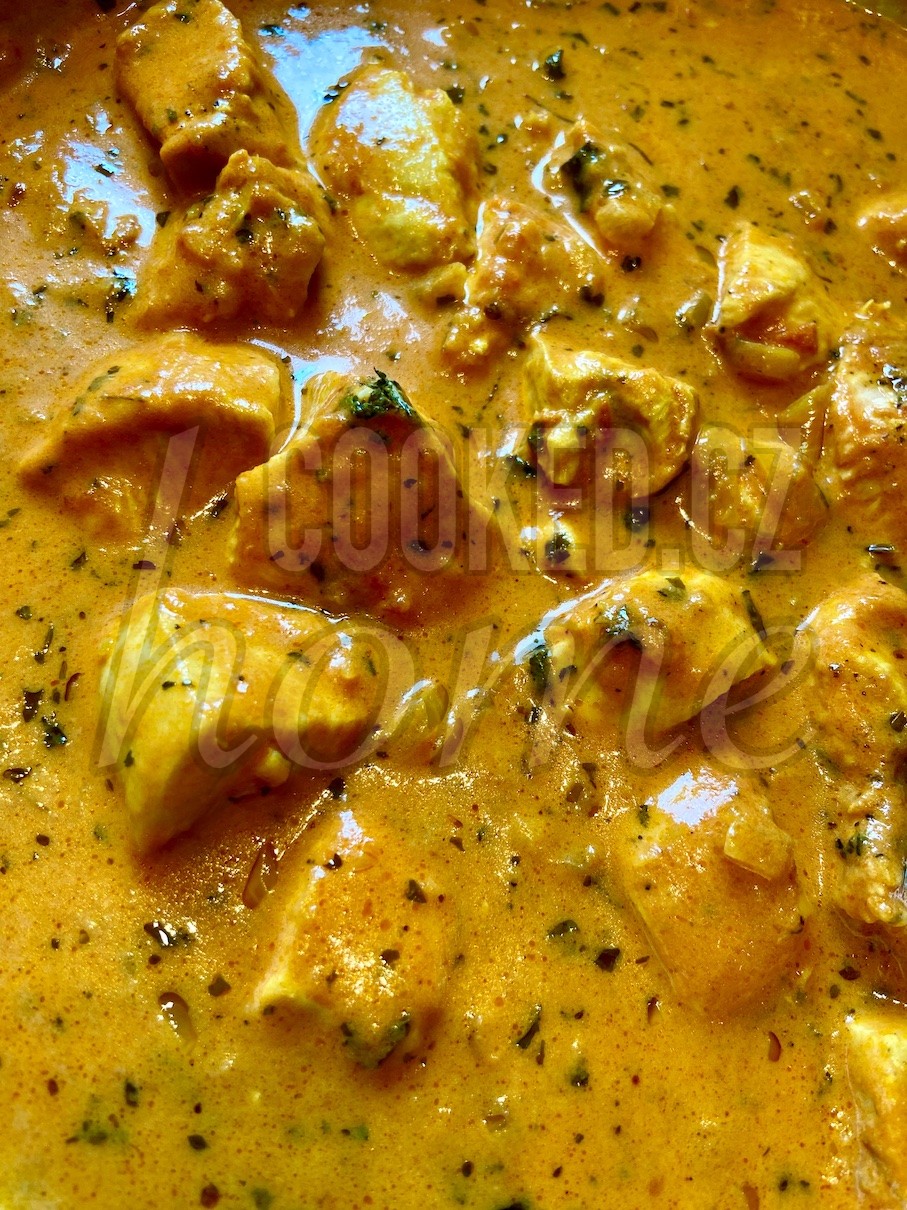
Butter chicken, also known as murgh makhani, is a popular Indian dish that has a rich and flavorful history. The origins of butter chicken can be traced back to Delhi, India, in the mid-20th century. The story behind the creation of butter chicken revolves around a restaurant called Moti Mahal, which was founded by Kundan Lal Gujral in the 1920s. Kundan Lal Gujral is credited with inventing the recipe for butter chicken. Legend has it that the idea for butter chicken came about as a way to repurpose leftover chicken as the restaurant often had leftover tandoori chicken at the end of the day. To prevent wastage, Kundan Lal Gujral came up with the idea of simmering the leftover tandoori chicken in a tomato-based gravy, along with butter and cream. This resulted in a rich and flavorful dish that became an instant hit. The combination of tender pieces of chicken in a creamy tomato-based sauce, infused with spices and enriched with butter and cream, proved to be irresistible. Butter chicken quickly gained popularity not only in Delhi but also across India and eventually worldwide.
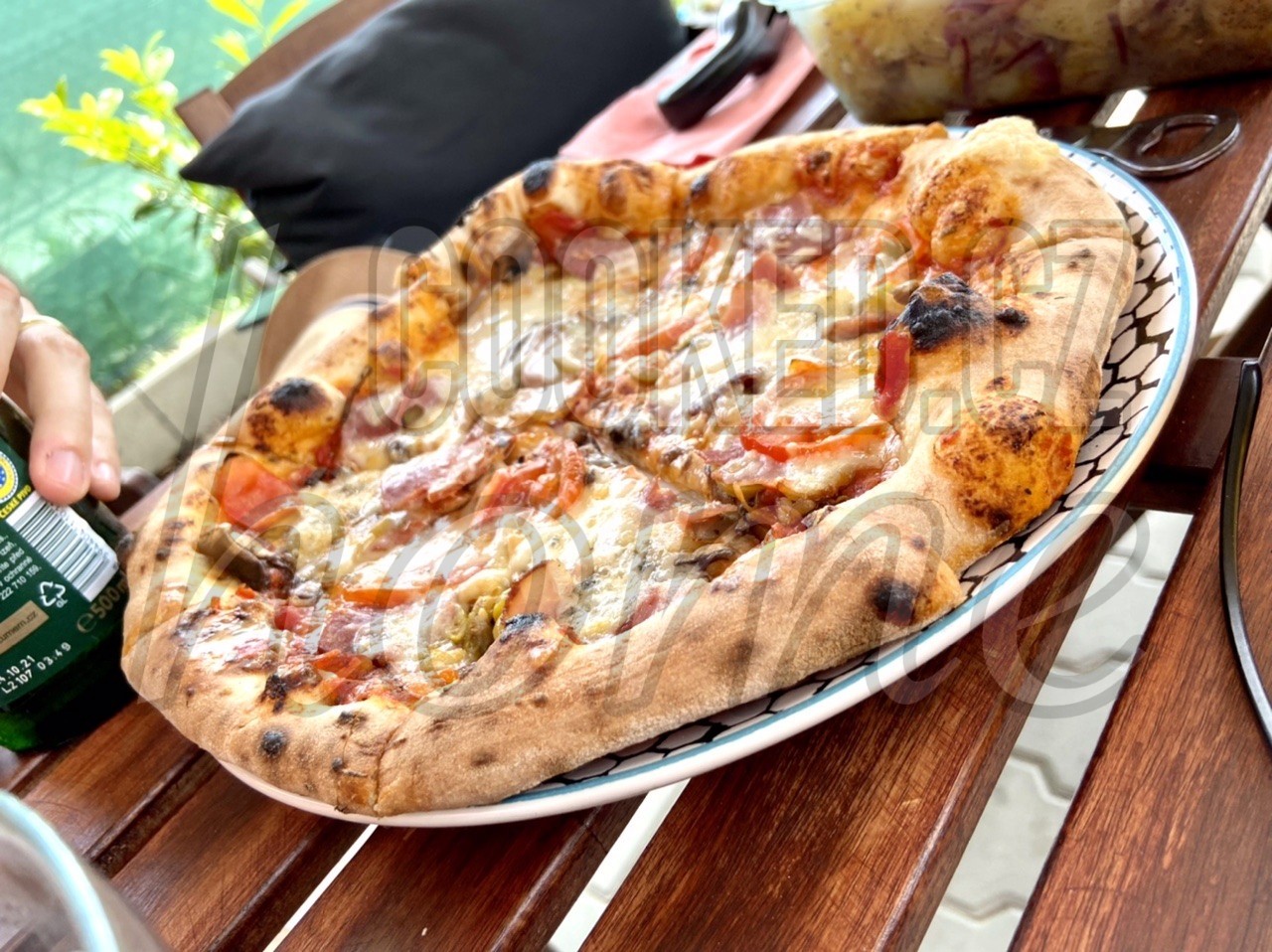
Neapolitan pizza, originated in Naples, Italy. What’s special about this recipe is the temperature under which this pie is baked. It has to be high heat 750F to 930F otherwise it wont be Neapolitan pizza. Second thing is a dough, which has to be at least 60% hydration dough or higher. Higher the hydration more water is retained in the final product. But regardless of hydration we are aiming for crispy crust and moist inside.
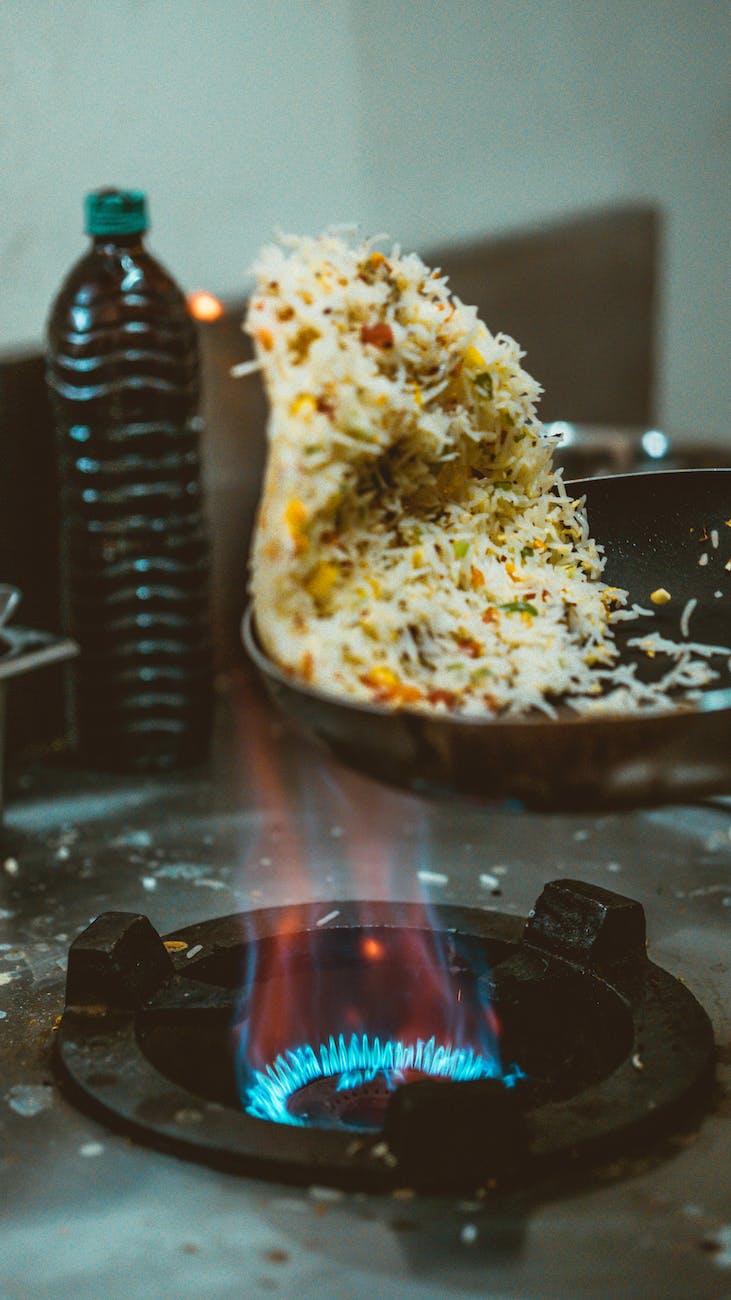
Kimchi itself has been a staple in Korean cuisine for centuries, with records of its consumption dating back to the 7th century. The fermentation of vegetables was an important preservation method in ancient Korea, and kimchi quickly became a popular way to preserve and flavor vegetables. Fried rice, on the other hand, is believed to have originated in China around 4000 years ago. The dish quickly spread throughout Asia and eventually made its way to Korea, where it was adapted and transformed into a unique Korean dish. The combination of kimchi and fried rice is believed to have first appeared in the 1960s in South Korea, during a time of rapid economic growth and increasing globalization. As South Korea became more connected to the rest of the world, people began experimenting with new flavors and ingredients, and kimchi fried rice was born.
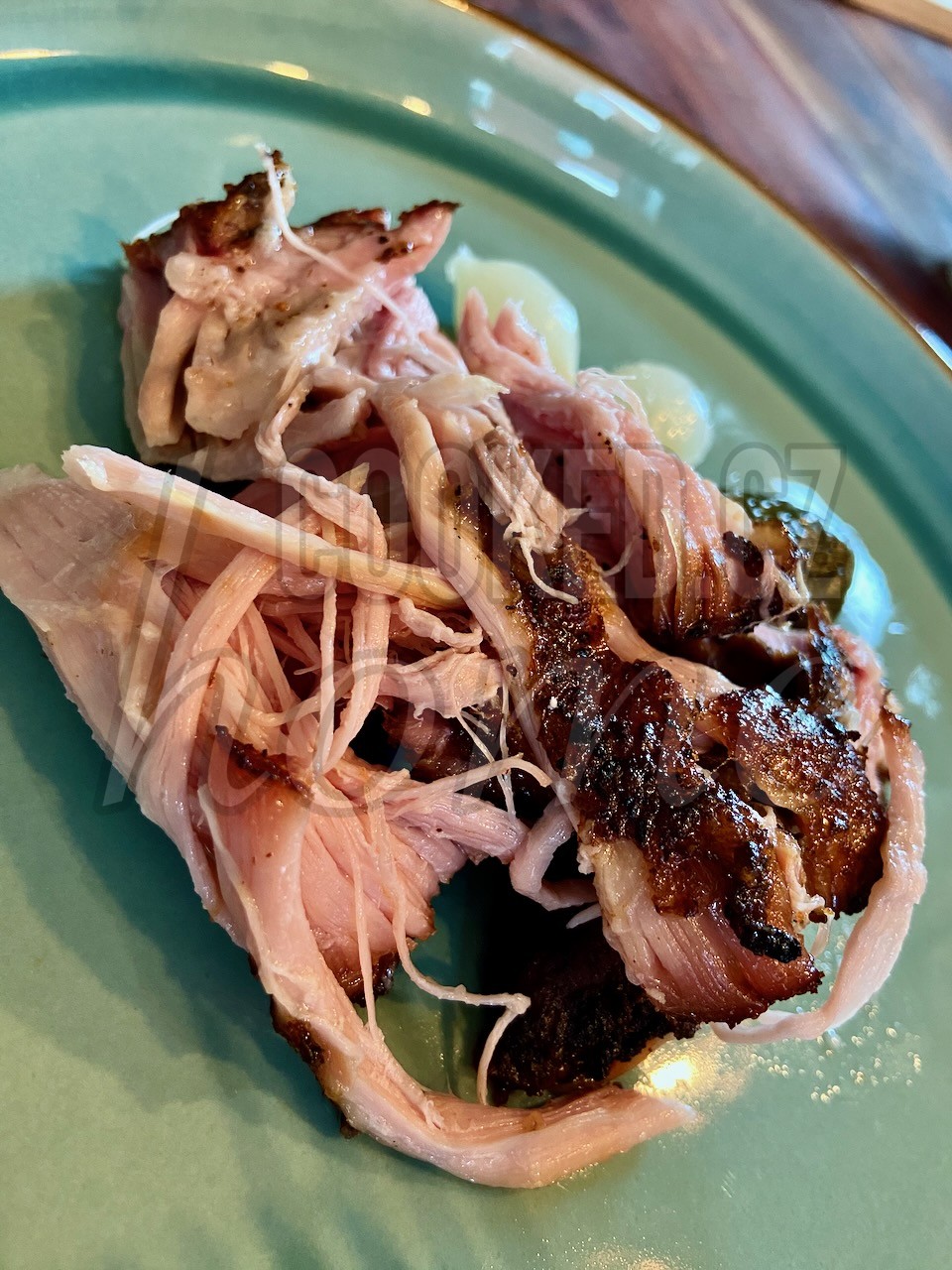
One of the earliest known recipes for baking pork shank can be found in a medieval German cookbook called the “Kochbuch Meister Eberhards.” This cookbook, which dates back to the 14th century, contains a recipe for baked pork shank that involves roasting the meat with onions and herbs. In many other cultures, baked pork shank is a popular dish for special occasions and holidays. For example, in China, baked pork shank is a staple dish for the Lunar New Year, and it is often served with vegetables and rice. In the Czech Republic, baked pork shank is a traditional dish that is served with sauerkraut and dumplings.
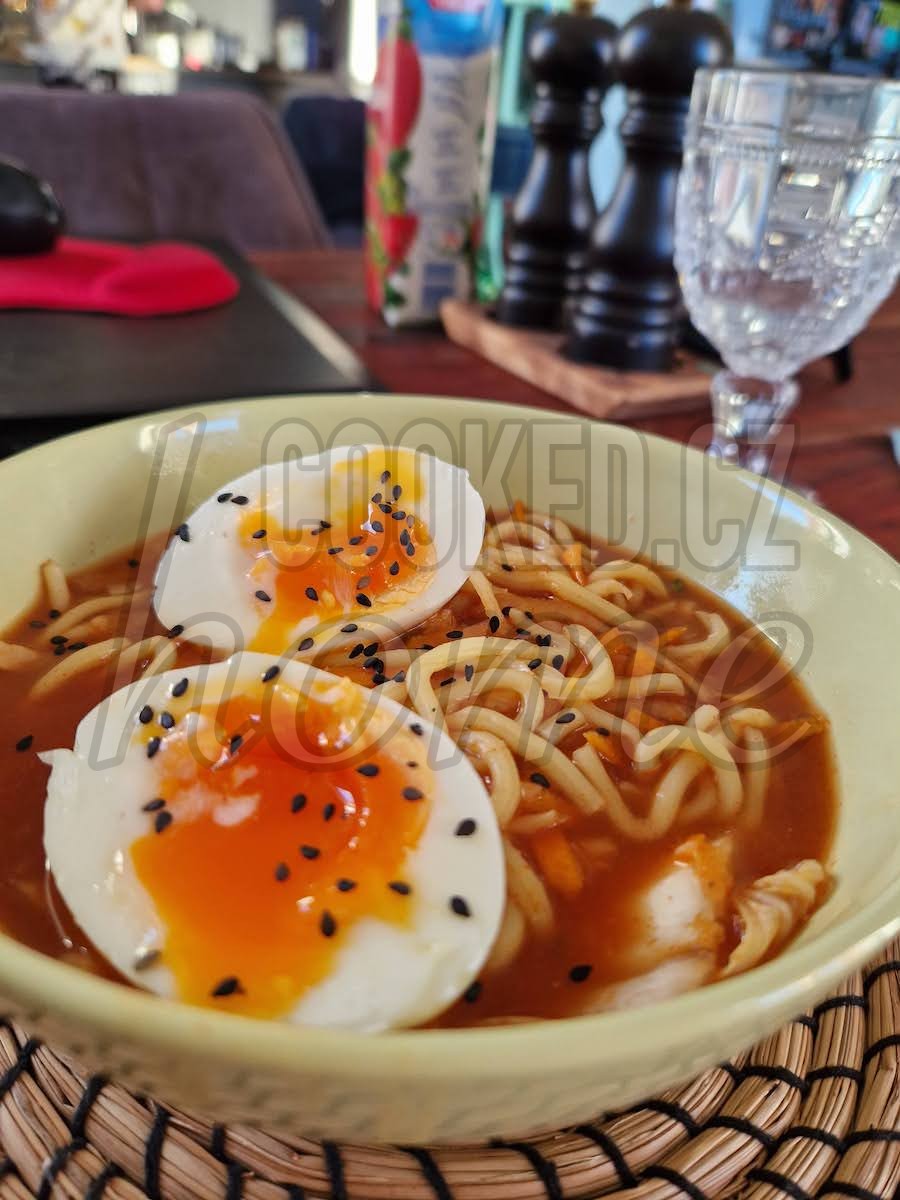
Kimchi miso ramen is a fusion dish that combines Korean kimchi, Japanese miso, and ramen noodles. The origins of this dish are not clear, but it likely emerged as a result of cultural exchange between Japan and Korea. Kimchi miso ramen likely originated in Japan, where ramen is a popular dish and various regional variations exist. In recent years, there has been a trend in Japan of incorporating Korean ingredients and flavors into Japanese cuisine, including kimchi.