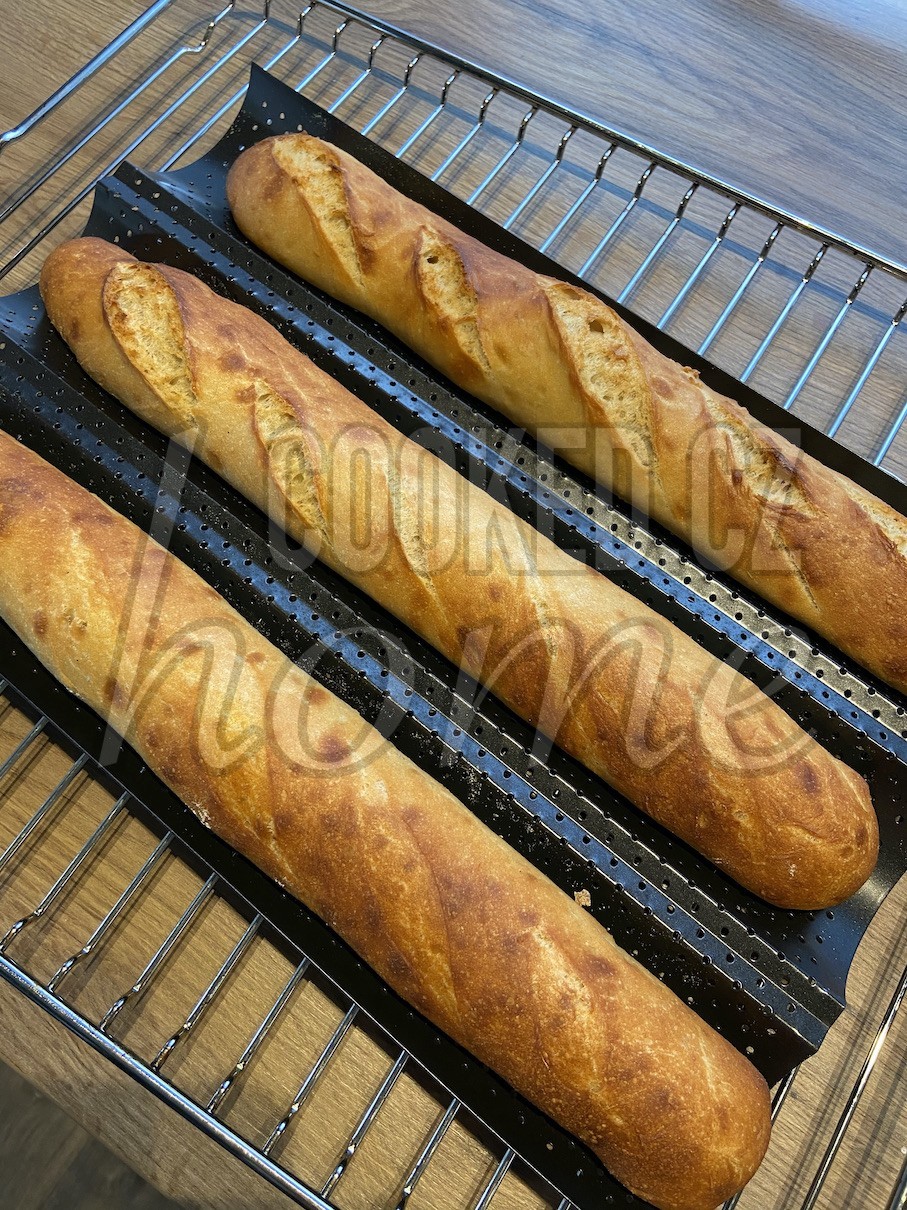
The French baguette have originated in the 19th century, when bakers in Paris began producing loaves that were thin and crisp, with a light, airy interior. The popularity of these loaves quickly spread, and the French baguette became a staple food in France and a symbol of French culture. The baguette was originally made using a traditional French bread dough that was leavened with wild yeast and baked in a wood-fired oven. The long, thin shape of the loaf was ideal for slicing and serving with a variety of dishes, and its crisp crust and light, airy interior made it a popular choice for breakfast or as a snack.
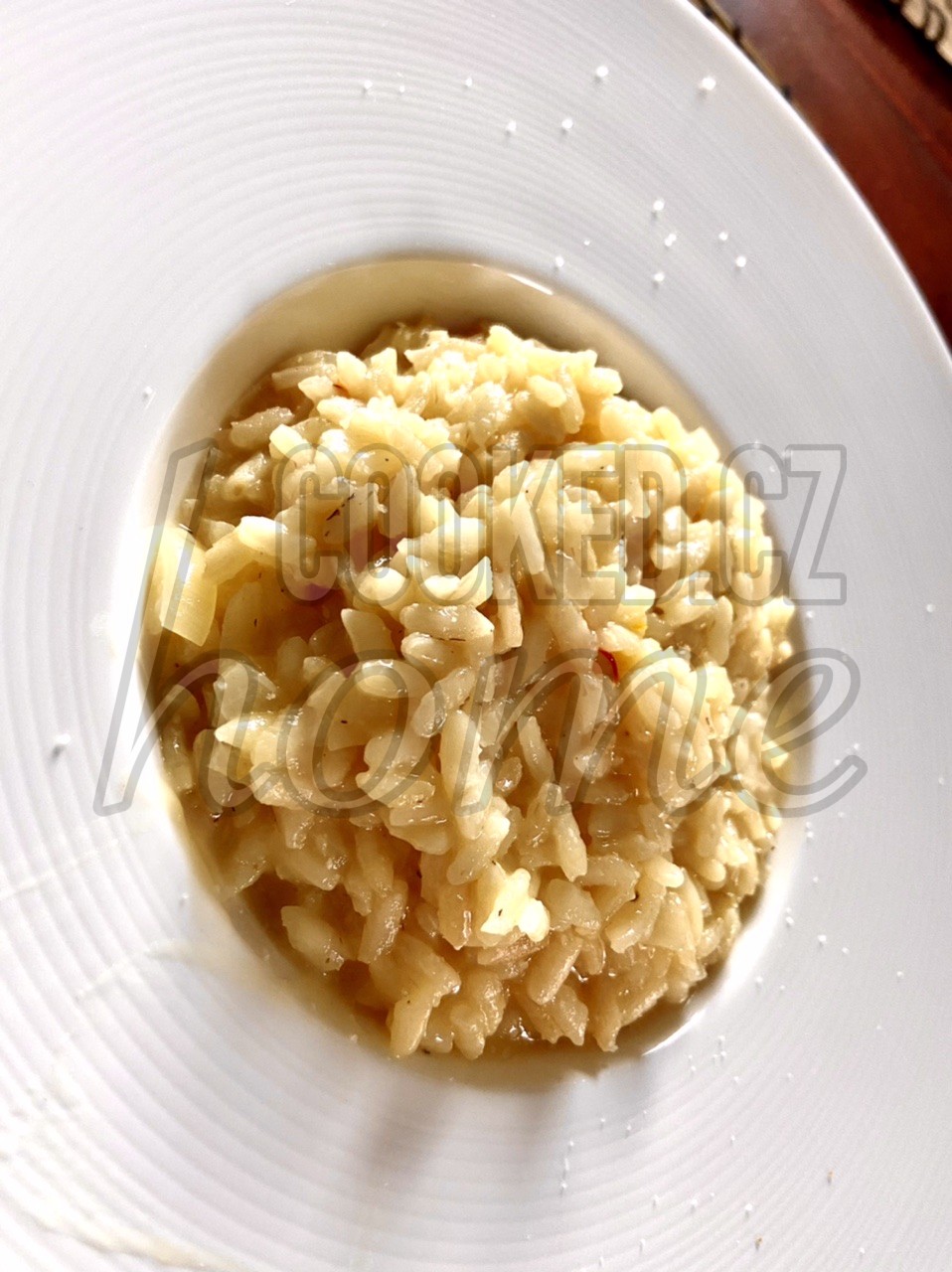
Risotto Milanese is a classic Italian dish that originated in Milan, Italy. It is a creamy and comforting rice dish that is flavored with saffron, a spice that gives the dish its distinctive yellow color. The dish is said to have originated in the 16th century, when saffron was first introduced to Milan and became a popular ingredient in local cuisine. The first recorded recipe for Risotto Milanese appeared in a cookbook from 1679, which described the dish as a mixture of rice, broth, and saffron. Over time, other ingredients such as onions, cheese, and wine were added to the dish to enhance its flavor. Risotto Milanese became a popular dish in Milan, and soon spread to other regions of Italy.
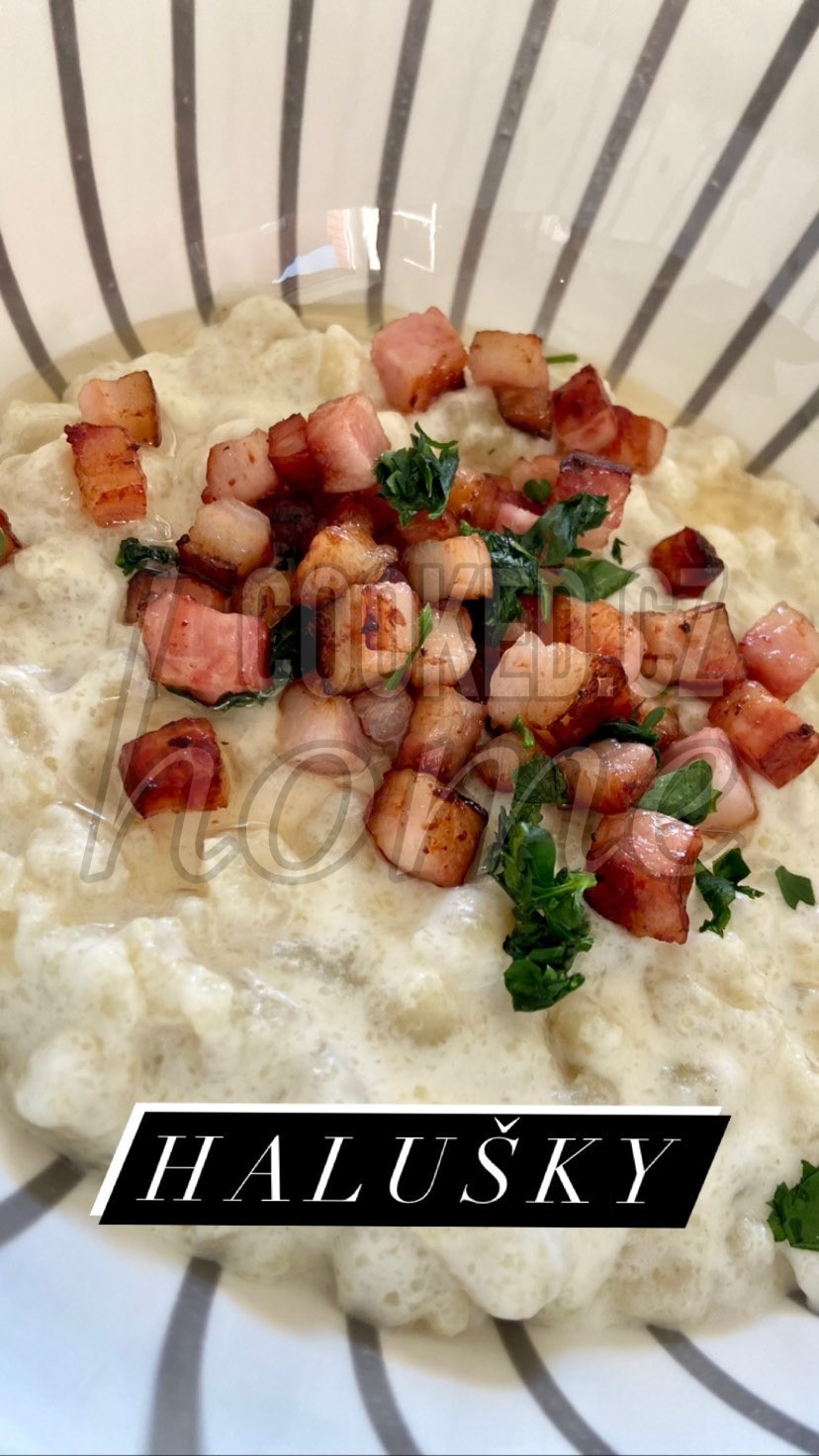
Slovak potato dumplings, also known as halušky, are a traditional dish in Slovakia. The history of halušky can be traced back to the medieval period when potatoes were introduced to Europe. Dumplings made from potatoes and flour were a common food for rural populations and were often served as a hearty and filling meal. In Slovakia, halušky became especially popular in the 19th century and have since become a staple dish in Slovak cuisine. They are typically served with a variety of toppings such as fried bacon, sheep cheese, and sour cream. Halušky are also a popular dish for special occasions and celebrations, and are often served at family gatherings, holidays, and festivals.
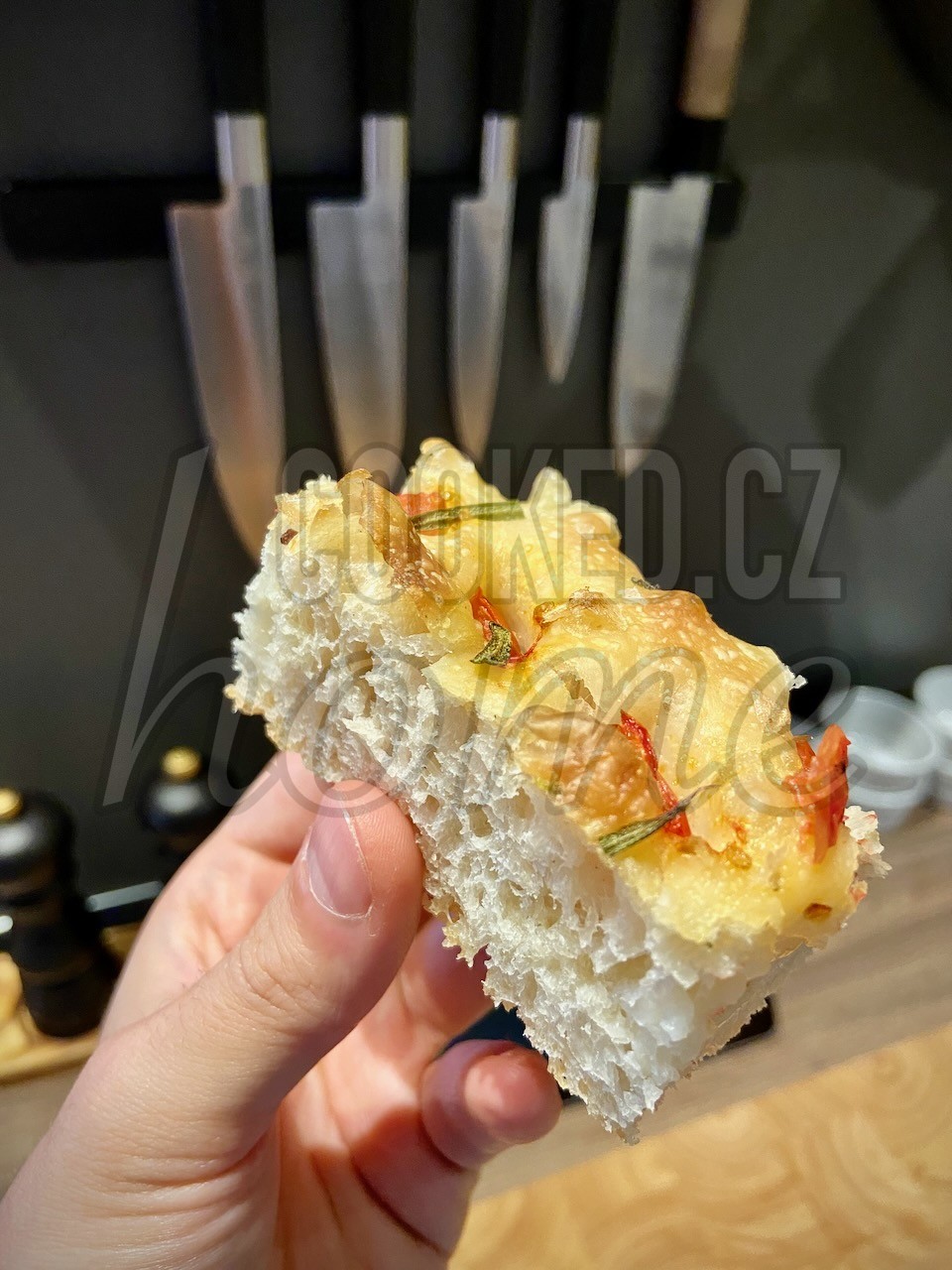
Focaccia bread is a type of flatbread that is believed to have originated in ancient Rome, with variations in ingredients, shapes, and toppings. The word focaccia comes from the Latin word “focus” which means “fireplace” in reference to the way the bread was traditionally cooked. The traditional focaccia is from Liguria, a region in northwest Italy, known as Focaccia Genovese, characterized by its soft and fluffy texture, and seasoned with olive oil and salt.
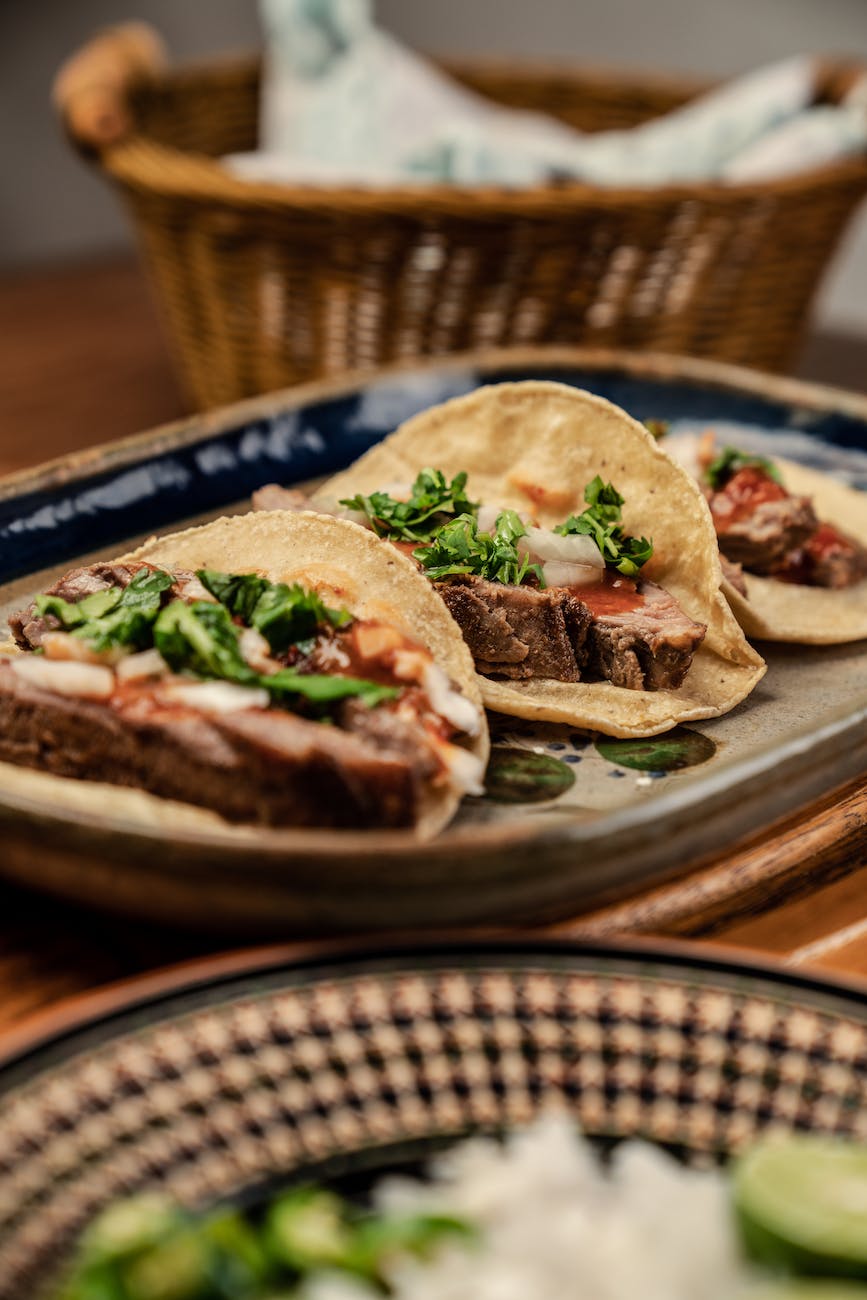
Invention of corn flat bread is ancient and dates back to the Olmec culture back in 1,500 BC into Aztec empire. The word “taco” is however very new, it originates from Mexican silver miners in the 18th century. Gunpowder was wrapped in a paper like a “taquito” and inserted into rocks before detonation. By this time, tacos were known as the food of the working class, which included miners. This resulted in their portable street food being called “tacos de minero“, also known as “miner’s tacos”. It was a corn tortilla with a spicy filling consisting of cheap offcuts and organs. This daily staple was filling, delicious, and affordable.
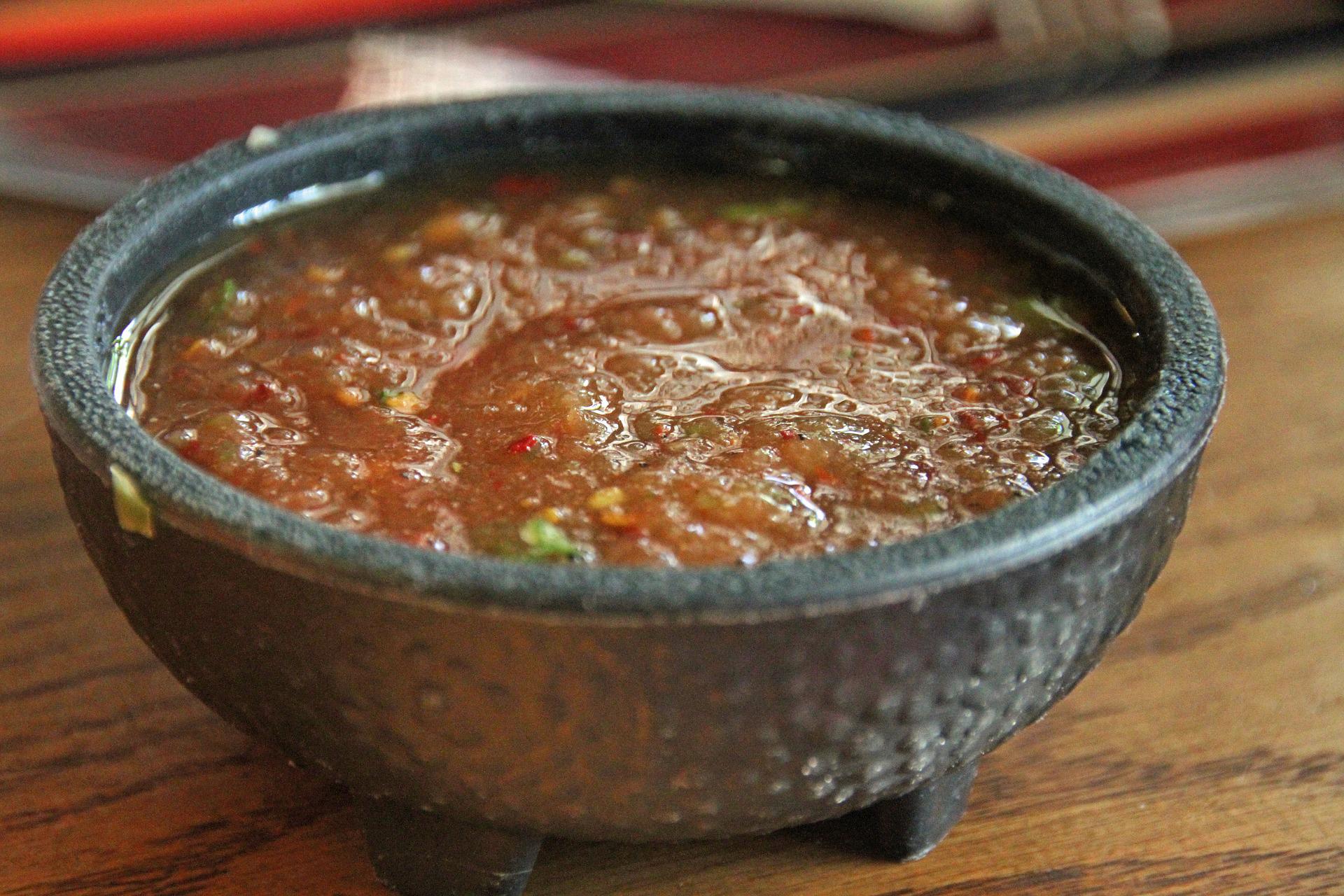
Salsa is traced back to the times of the Aztecs, Incas, and Mayans. The native people created their own versions of salsa using tomatoes, chilies, and squash seeds, however “official discovery” to the rest of the world did not occur until after the Spaniards conquered Mexico in the 1500s. This mix of ingredients became popular throughout Spanish civilization, and in 1571, Alonso de Molina named the dish salsa.
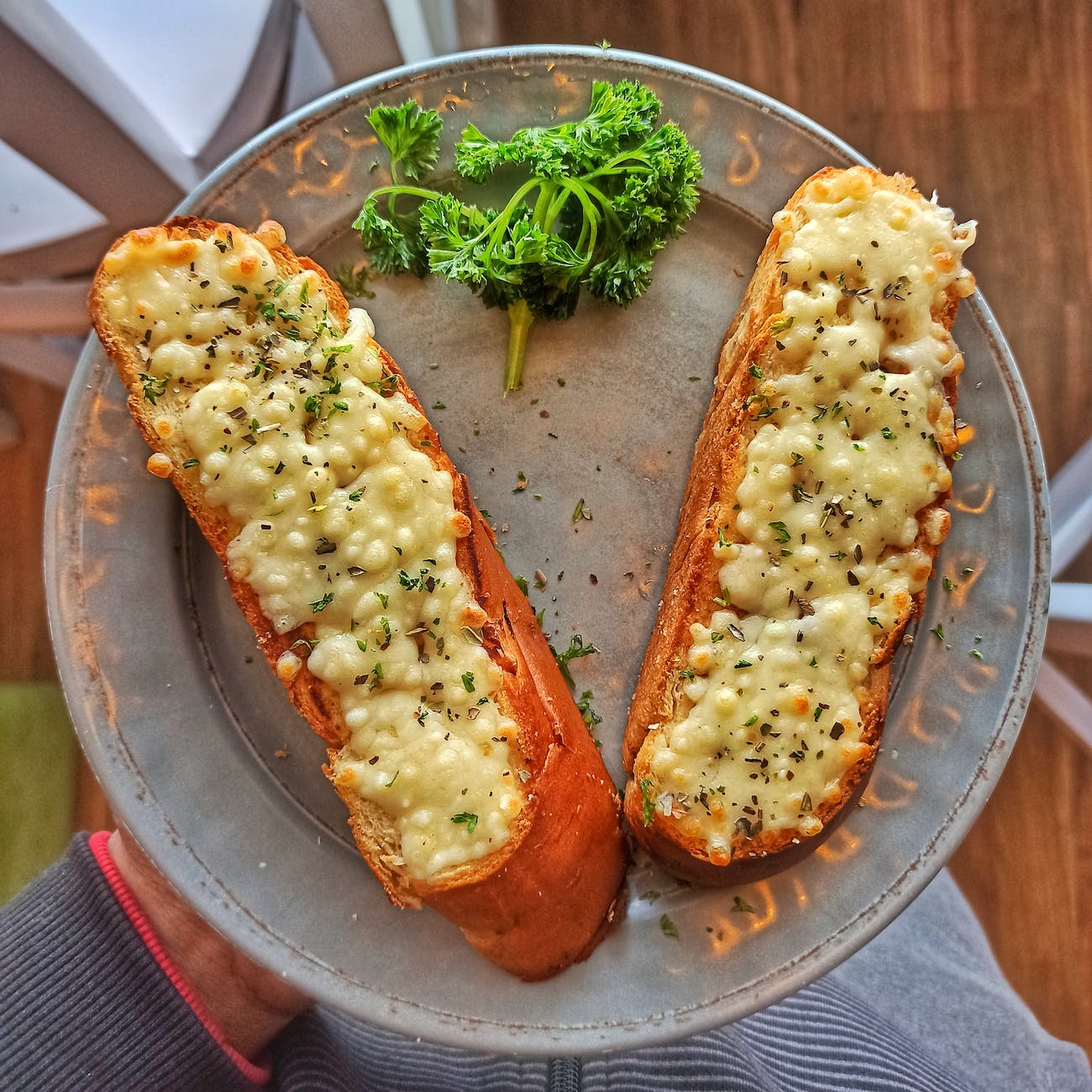
You can make this with white bread, baguette or any other slice of bread. Even stale bread will do well as it get reheated in oven.
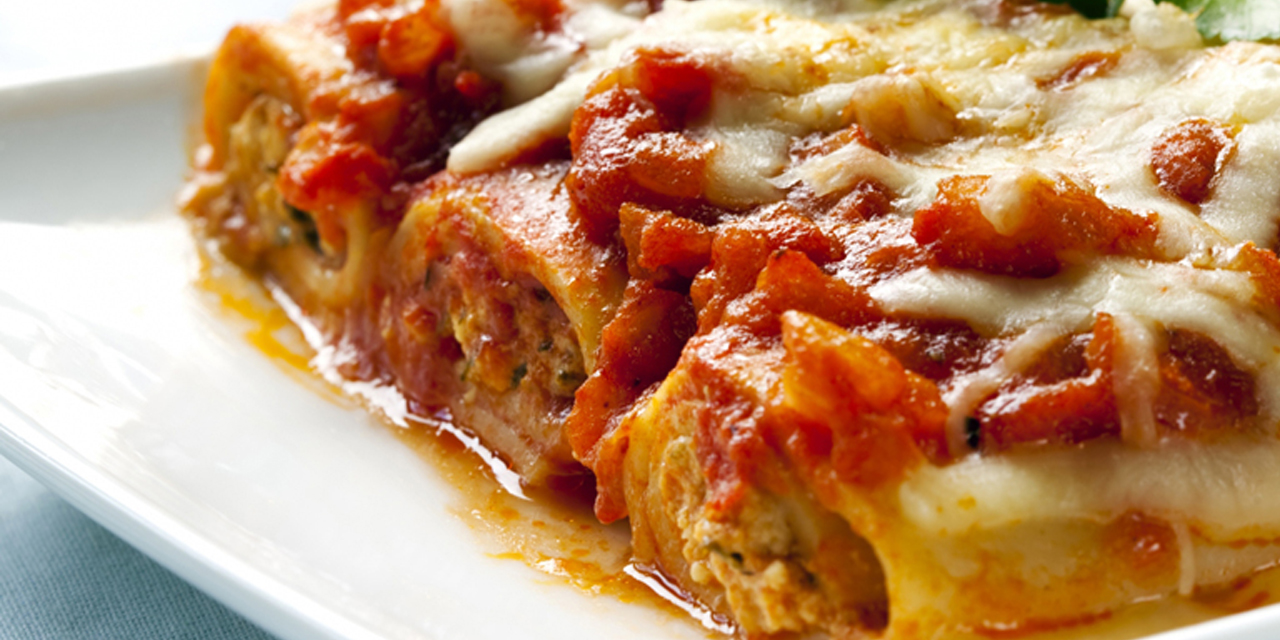
The first written record about cannelloni is mentioned by Gio Batta Magi from Arezzo, who mentioned it among his Tuscan recipes. However, it is said that their birth occurred shortly afterwards in Campania, more or less in the first half of the nineteenth century. At the time the Neapolitan cook Vincenzo Corrado mentioned in his book “The Cook Galante” the recipe for a large pacchero , first boiled and then filled with a stuffing made with meat and truffles and then covered with a meat sauce and baked. Although the invention of the cannelloni remains uncertain and although there are few writings and cookbooks of the time that referred to it, it is assumed that this was initially a poor dish and a collection of leftovers , consumed especially during the holidays.
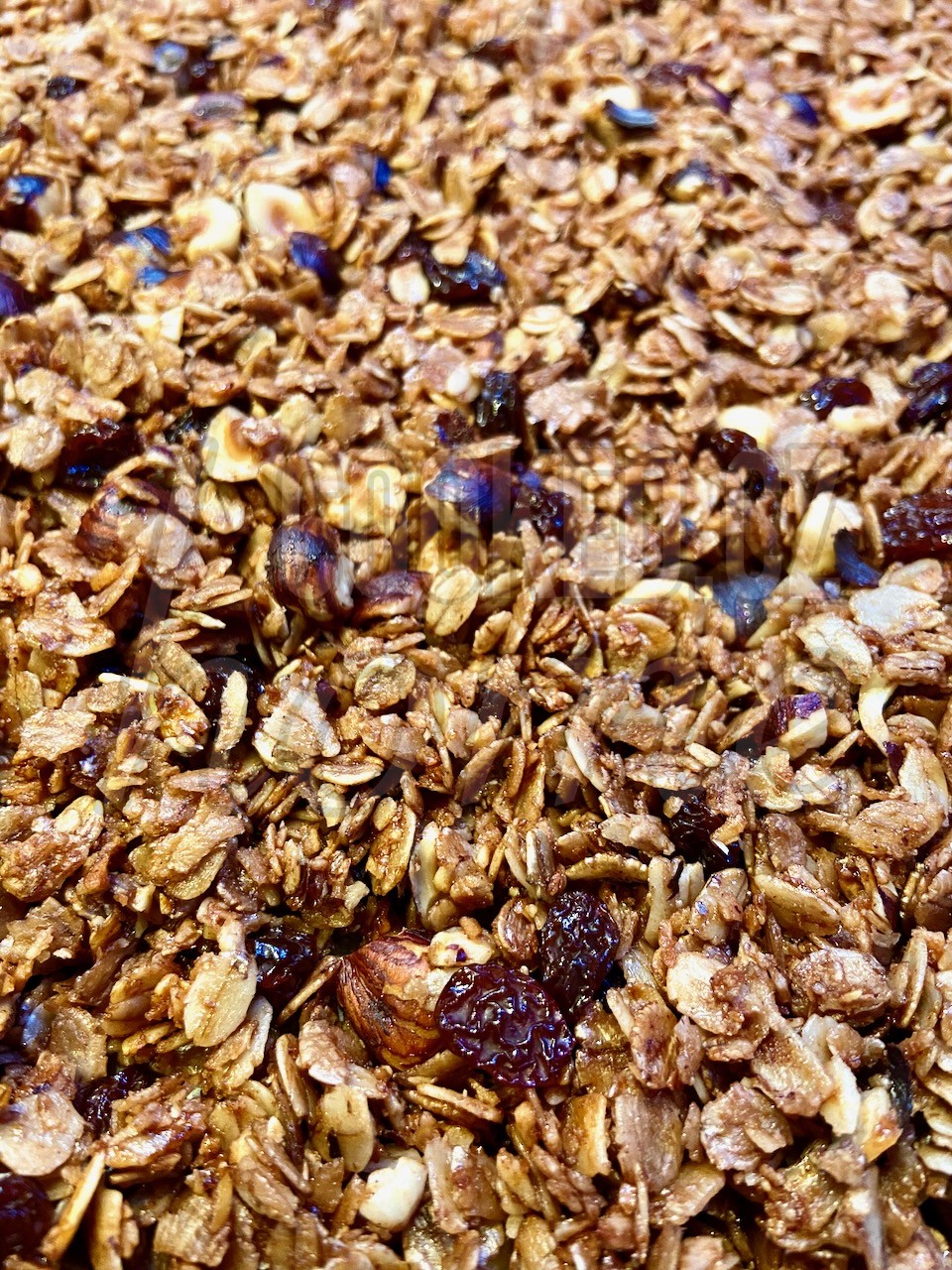
Why spending fortune of granola bars or granola mix if you can make one for fraction of a price? Hardest part of baking granola is knowing when the granola is done. Using a low oven temperature helps dry out the granola without over-baking it, but keep in mind that the granola won’t be dry right out of the oven, it will dry as it cools, so take it out of the oven when it looks lightly toasted and smells like cooked honey. We’re going for a toasty smell here.
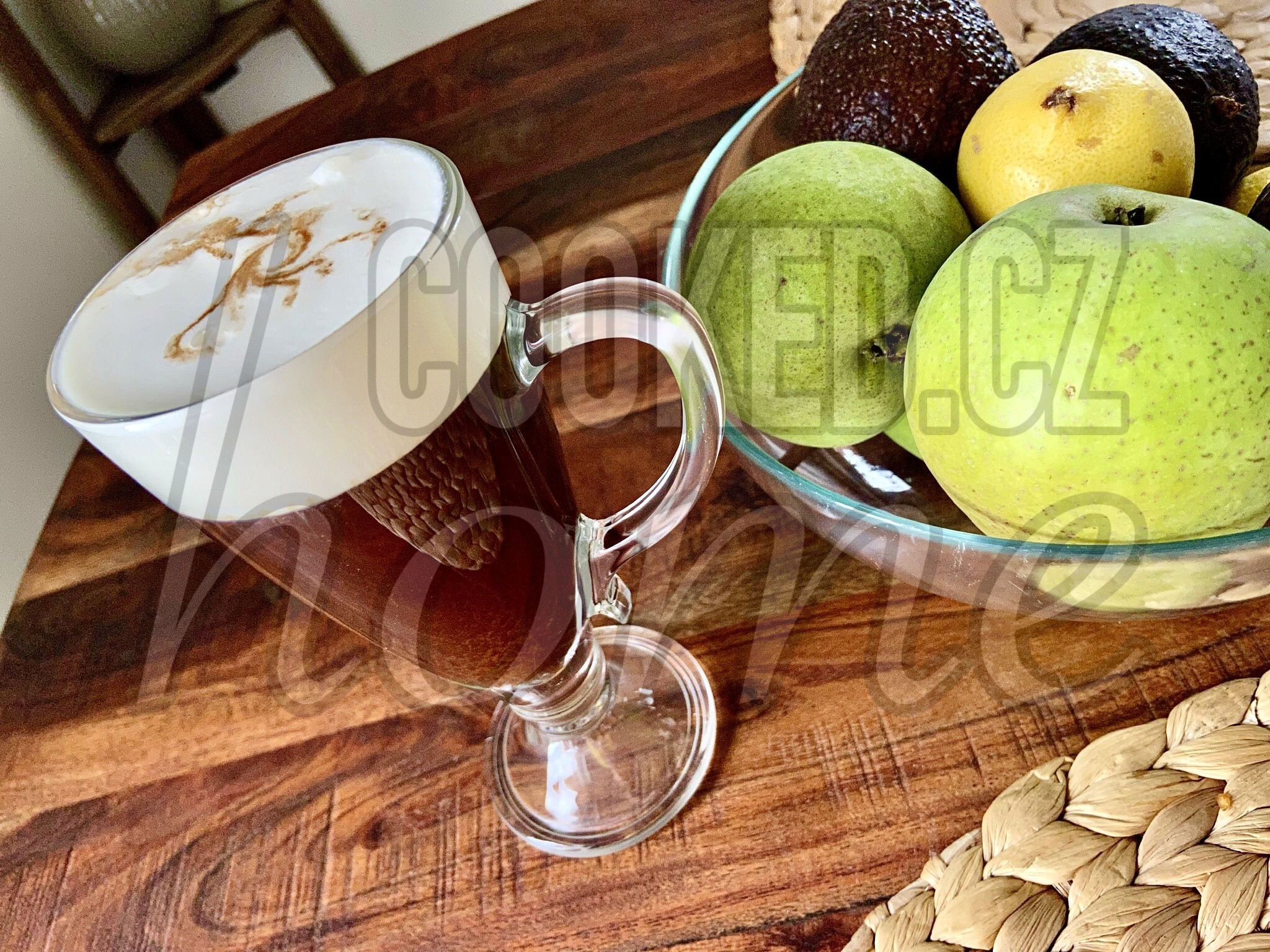
Irish coffee originated in a pub called Dolphin in Dublin in 1940. The drink eventually spread to Foynes Port, and/or Sheridan had the drink before, and it led to him serving it to the passengers at the airport. Some also credit its U.S. origin in New York, instead of San Francisco. The first instance of Irish coffee in the U.S. is a New York food critic, Clementine Paddleford, talking about St. Patrick’s Day in 1948. She talks about Irish Coffee and its recipe, which is similar to the one we have today. This did come before Irish Coffee in San Francisco, but San Francisco is where the coffee really took off, so the New York origin is often ignored.