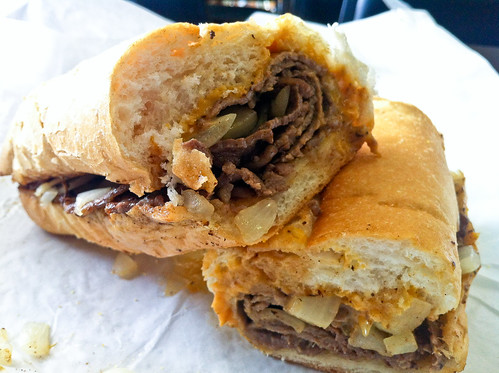
The origin of the cheesesteak roll is often credited to Pat Olivieri, a hot dog vendor in South Philadelphia. In the 1930s, Pat and his brother Harry operated a modest hot dog stand near South Philadelphia’s Italian Market. One day in 1930, Pat decided to experiment with some beef, grilling it on his hot dog grill. He added some onions to the mix and placed the cooked meat and onions onto an Italian roll. A passing cab driver, intrigued by the aroma, requested to try the new creation. The driver loved it so much that he spread the word, and soon, customers were asking for the same “steak sandwich” that the cab driver had enjoyed. The origin of the cheesesteak roll is often credited to Pat Olivieri, a hot dog vendor in South Philadelphia. In the 1930s, Pat and his brother Harry operated a modest hot dog stand near South Philadelphia’s Italian Market. One day in 1930, Pat decided to experiment with some beef, grilling it on his hot dog grill. He added some onions to the mix and placed the cooked meat and onions onto an Italian roll. A passing cab driver, intrigued by the aroma, requested to try the new creation. The driver loved it so much that he spread the word, and soon, customers were asking for the same “steak sandwich” that the cab driver had enjoyed. As word spread about the delicious sandwich, the Olivieri brothers decided to focus on selling cheesesteak sandwiches instead of hot dogs. They opened a new restaurant called “Pat’s King of Steaks” in 1933, which still operates today and is considered one of the iconic cheesesteak spots in Philadelphia. Another significant player in the history of the cheesesteak roll is Geno’s Steaks, founded by Joe Vento in 1966, just across the street from Pat’s. The rivalry between Pat’s and Geno’s became legendary, and they remain two of the most famous cheesesteak spots in Philadelphia, attracting tourists and locals alike. Traditionally, cheesesteak rolls consist of thinly sliced ribeye or top round steak, sautéed onions, and melted cheese (usually provolone, American, or Cheez Whiz) served on a long, crusty roll. Over the years, variations have emerged, with toppings like peppers, mushrooms, and even ketchup, mayo, or hot sauce added to suit individual preferences.

Czech dill sauce became popular in the Czech Republic during the 20th century, particularly in the mid-20th century, as a result of cultural influences and changes in culinary preferences. The sauce’s rise in popularity coincided with the availability and introduction of new ingredients and flavors in Czech cooking. It is believed that the sauce was influenced by the French culinary tradition, which often incorporates various sauces to accompany meat dishes. The use of dill in the sauce may also be attributed to the influence of neighboring countries, where dill is a common herb in their cuisines.
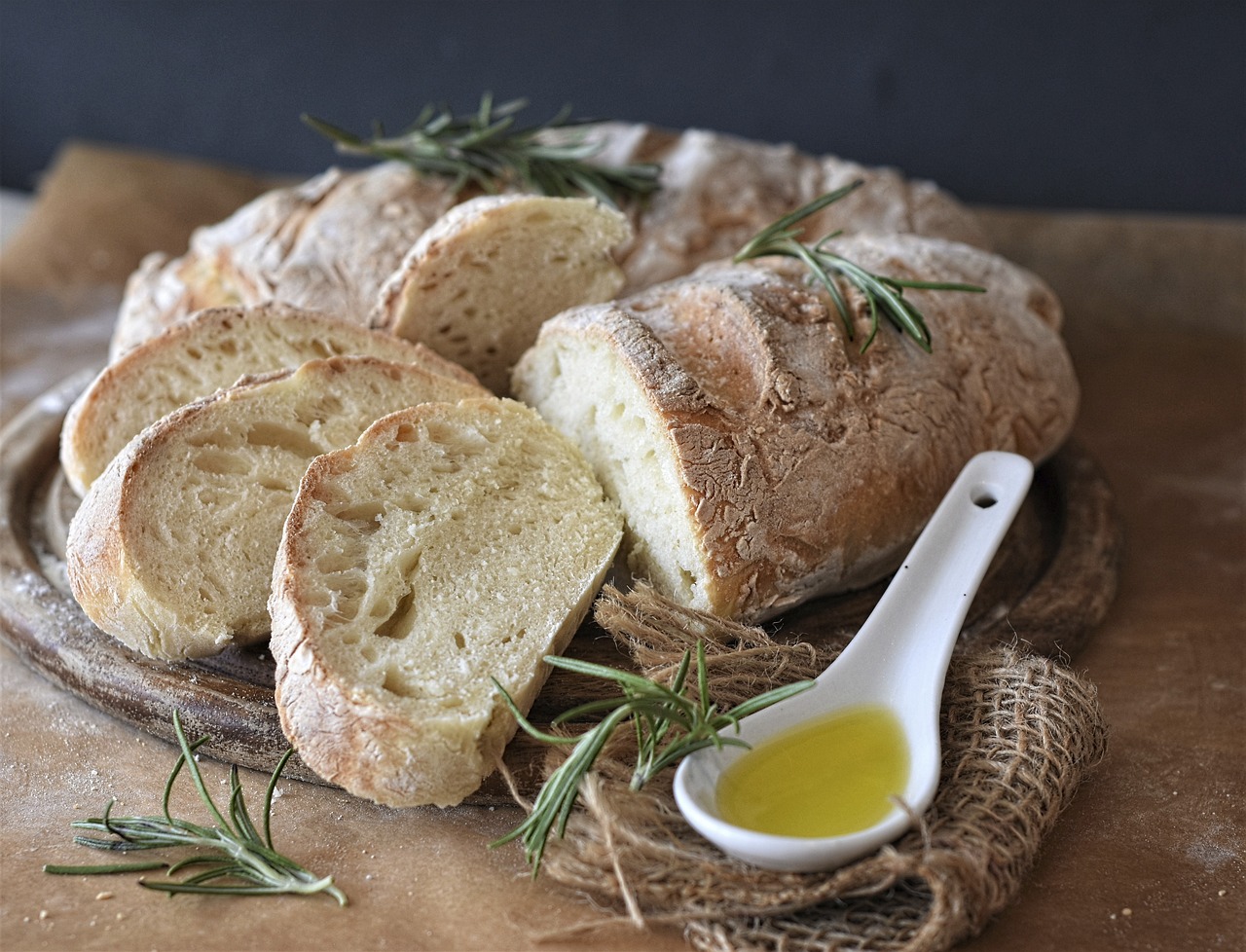
Ciabatta was invented by Arnaldo Cavallari, an Italian baker from the town of Adria, located in the Veneto region of Italy. The story goes that in 1982, Cavallari was dissatisfied with the classic Italian bread options available at the time, particularly when it came to making sandwiches. He sought to create a bread that had a light, airy texture with a crusty exterior, perfect for holding various fillings. Inspired by traditional bread-making techniques, Cavallari experimented with different recipes, incorporating high hydration levels and a preferment method. The preferment allows the dough to develop complex flavors and a light texture. He named the bread “ciabatta,” which means “slipper” in Italian, as its shape was said to resemble the sole of a slipper.
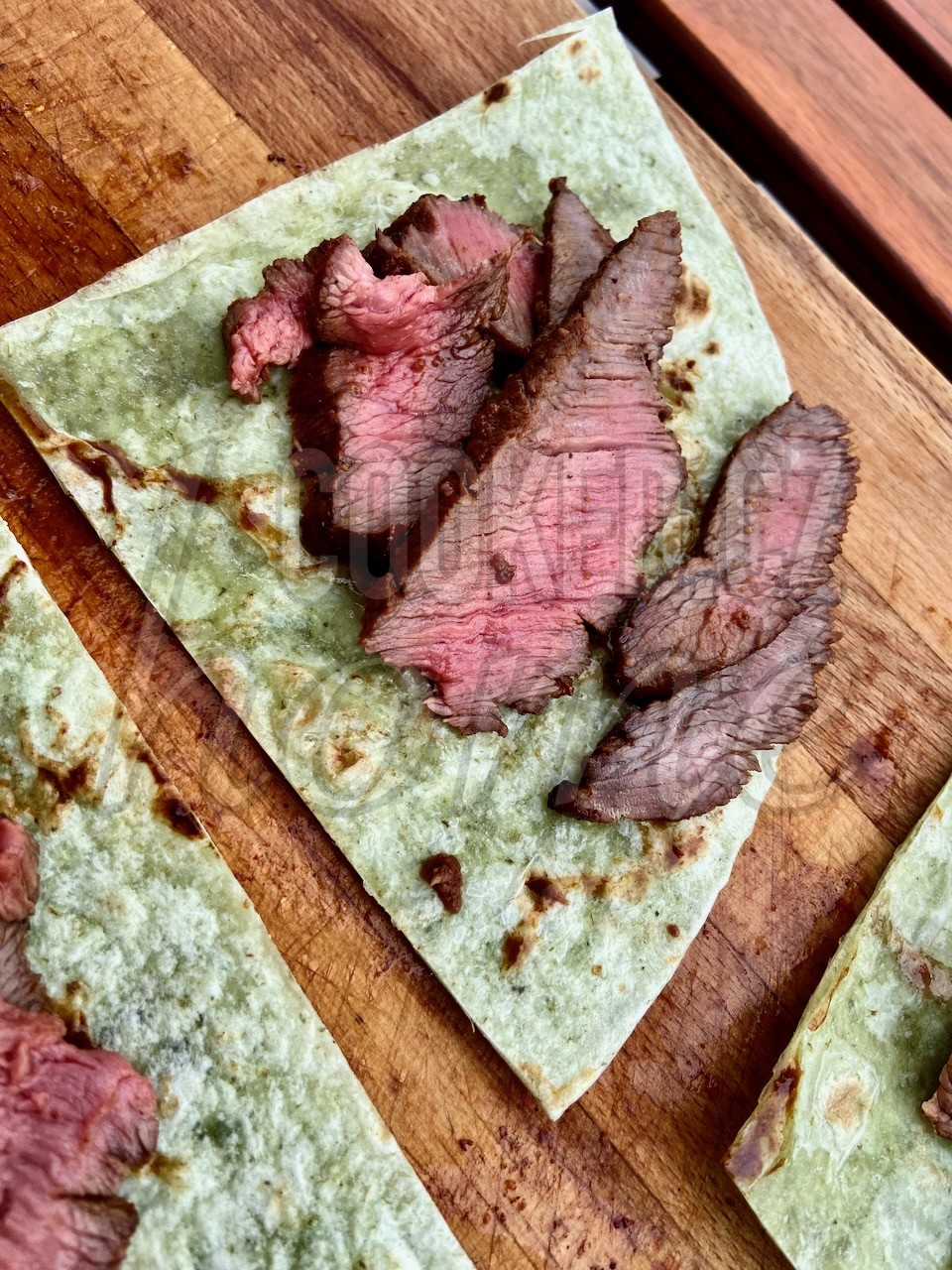
The traditional method of making carne asada involves marinating the beef in a mixture of various ingredients, which may include citrus juices (such as lime or orange), garlic, onions, and various spices. This marinade helps to tenderize the meat and infuse it with delicious flavors. After marinating, the beef is grilled over an open flame or on a hot griddle, giving it a smoky and charred taste. Carne asada is often served with a variety of accompaniments, such as tortillas, guacamole, salsa, grilled onions, and cilantro. It is a versatile dish and can be enjoyed in various forms, such as tacos, burritos, quesadillas, or simply as a standalone meal with sides.
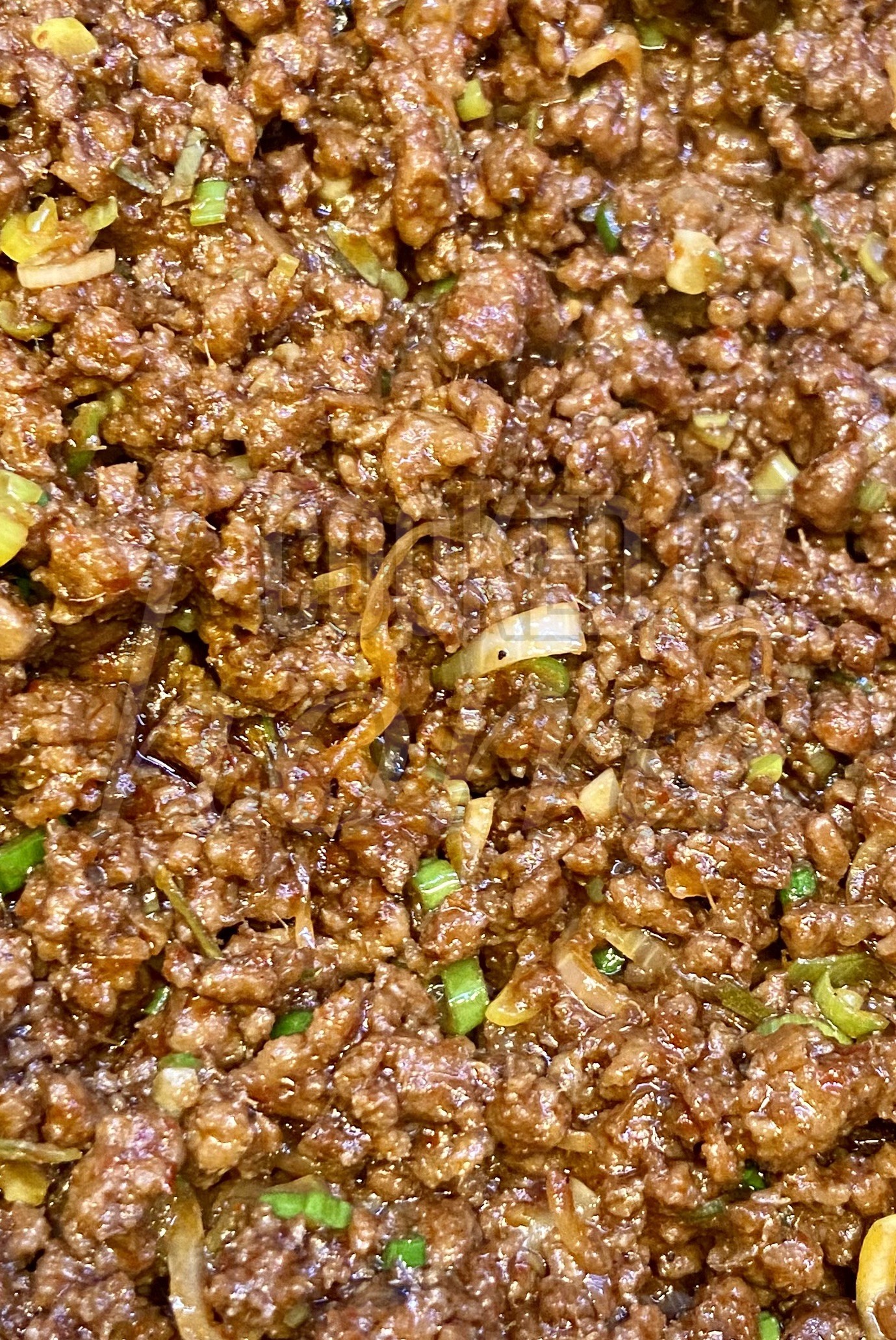
Khua Kling, also known as “Kua Kling” or “Khua Kling Moo,” is a traditional Thai dish with roots in Southern Thailand. It is a spicy and flavorful dish that is popular among Thai food enthusiasts who enjoy the intense heat and bold flavors. The exact origins and history of Khua Kling are not well-documented, but it is believed to have originated in the southern region of Thailand, particularly in the province of Pattani. The dish is strongly associated with the cuisine of the Muslim community in Southern Thailand, known as the Malay or “Pattani” people. The dish is prepared by first pounding the spices together to create a paste or “khua” in Thai. The paste is then fried in oil until fragrant, creating a rich and aromatic base. The minced or ground meat is then added and stir-fried with the spice paste until cooked through, allowing the flavors to meld together.
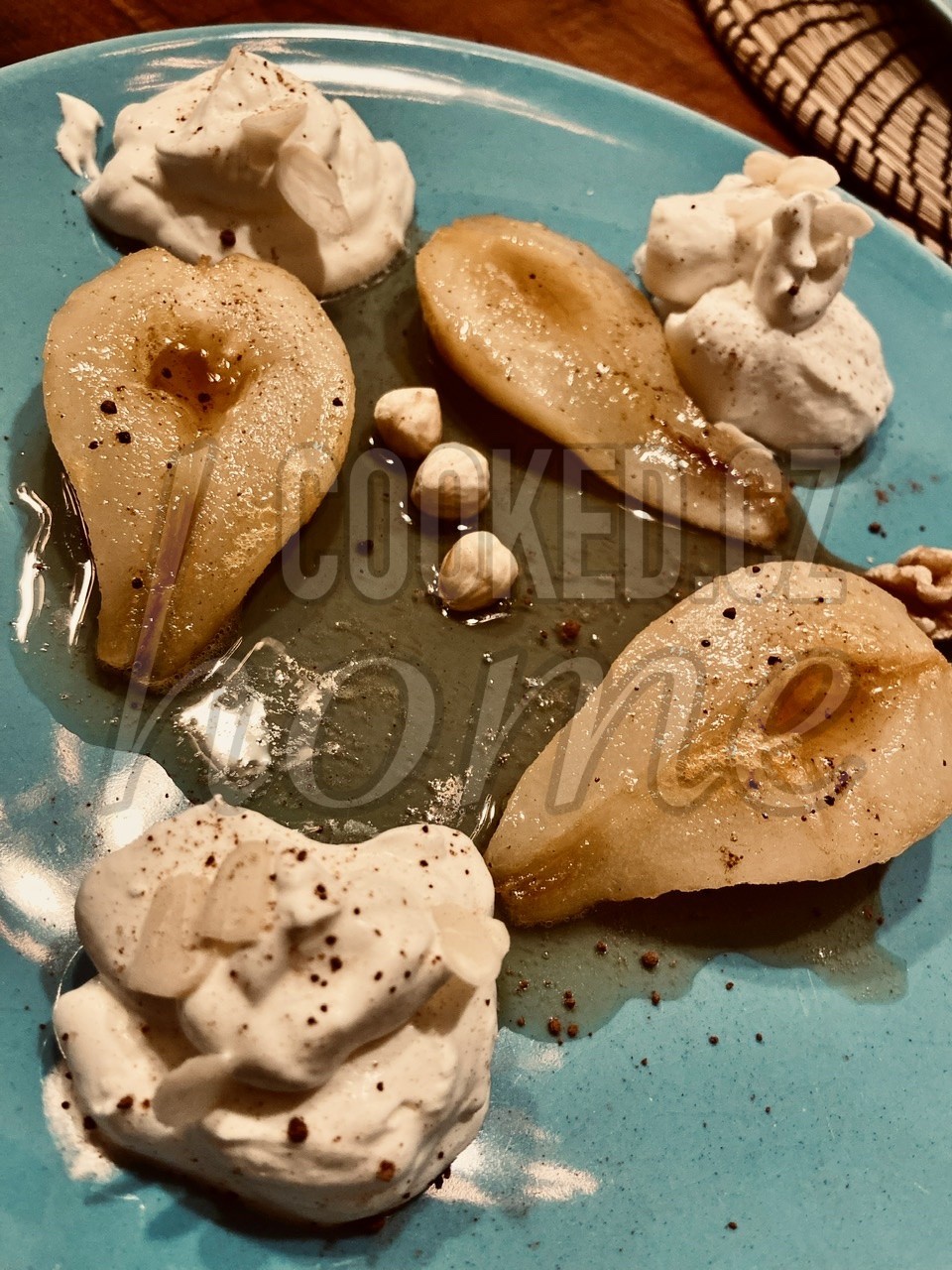
The history of poached pears as a dessert can be traced back to European culinary traditions, particularly in France, where poaching fruit has been a popular cooking method for centuries. Poached pears, also known as “poires pochées” in French, have been enjoyed as a delicate and elegant dessert for many years. In the 17th and 18th centuries, the popularity of poached pears spread throughout Europe, becoming a beloved dessert across different countries and cultures. Poached pears were often prepared in a sweet syrup made with sugar, water, and flavorings such as spices, vanilla, or citrus. The pears were gently simmered in the syrup until they became tender and absorbed the flavors of the poaching liquid.
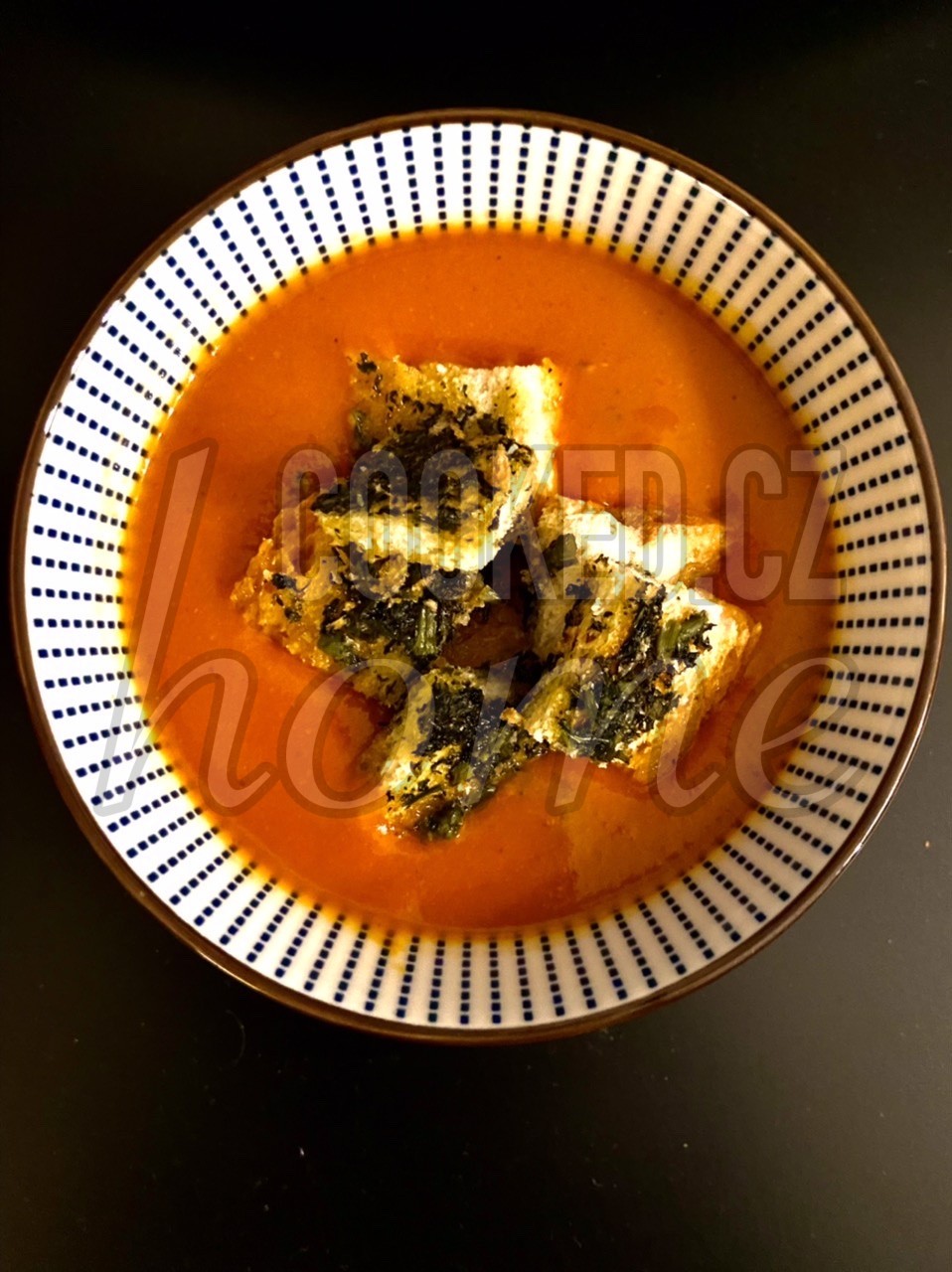
Indian tomato soup, known as “Tamatar Shorba” or “Tamatar Ka Soup” in Hindi, is a popular and flavorful dish in Indian cuisine. While the exact origins of Indian tomato soup are not well-documented, it is believed to have developed as a variation of Western-style tomato soup introduced during the British colonial period. Tomatoes are not native to the Indian subcontinent and were introduced to India by the Portuguese during the 16th century. Initially, tomatoes were considered ornamental plants and were not commonly used in Indian cooking. However, over time, they gained acceptance and became an integral part of various regional cuisines. The method of preparation can vary across different regions and households in India. However, a typical recipe involves sautéing onions, garlic, and spices in oil or ghee (clarified butter), adding fresh tomatoes, and cooking until they soften. The mixture is then pureed and strained to achieve a smooth consistency. Additional seasonings such as salt, pepper, and herbs may be added to enhance the flavor. Some variations may also include the addition of cream or yogurt for a creamier texture.
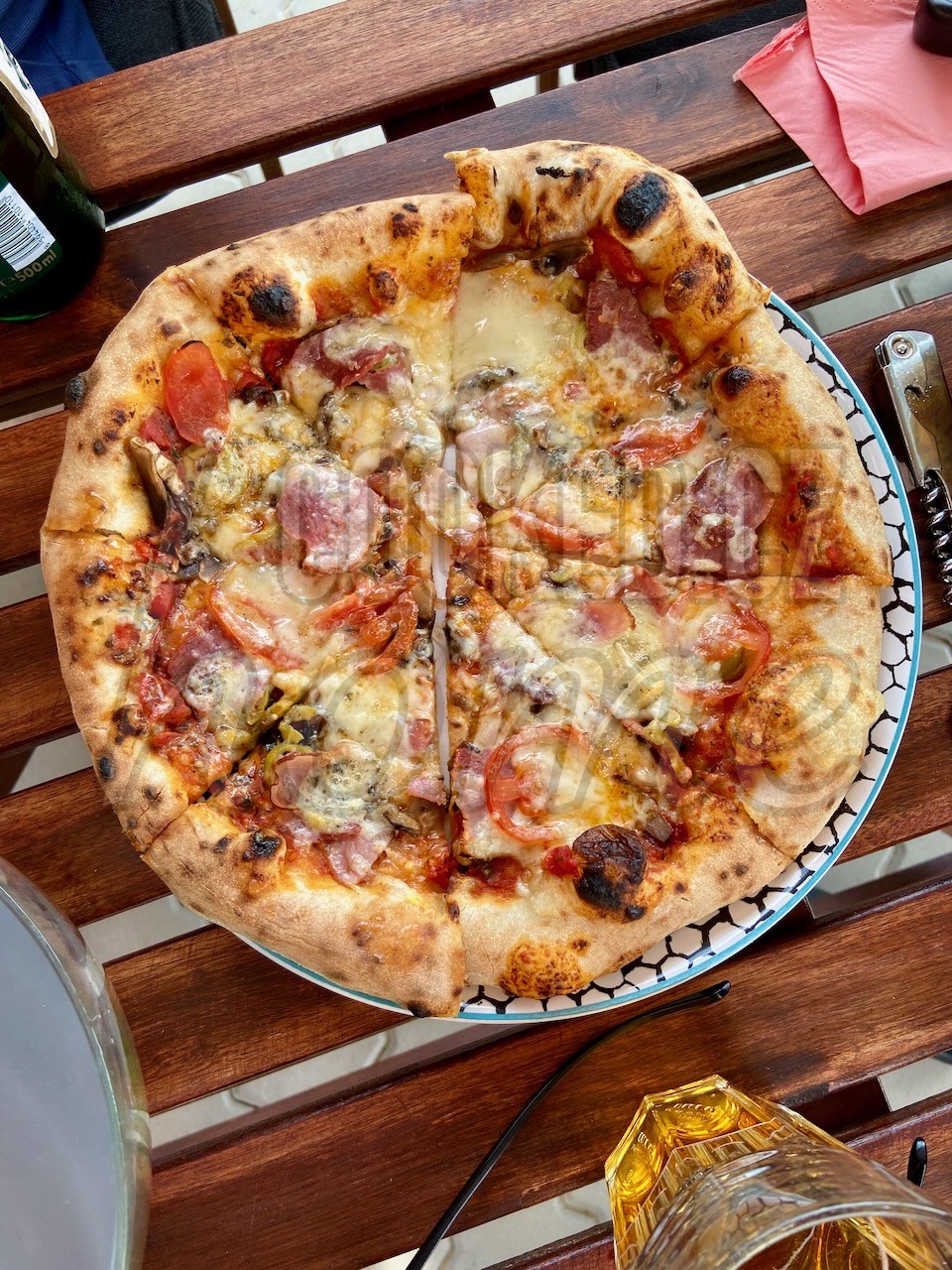
The difference between same-day and overnight fermentation of pizza dough lies in the duration of time the dough is allowed to ferment and develop flavors. Both methods can result in delicious pizza dough, but they offer distinct characteristics. Same-day fermentation, as the name suggests, involves allowing the dough to rise and ferment for a relatively short period, typically a few hours. The yeast in the dough is given less time to work, resulting in a dough that is less developed in terms of flavor and texture. Same-day fermented dough tends to be easier and quicker to make, making it a convenient option for those who desire a fresh pizza without much advance planning. With same-day fermentation, the dough may be slightly less extensible and may have a lighter and less complex flavor compared to dough that has undergone overnight fermentation. However, it can still yield a delicious pizza crust, particularly if high-quality ingredients and proper techniques are used during the preparation and baking process.
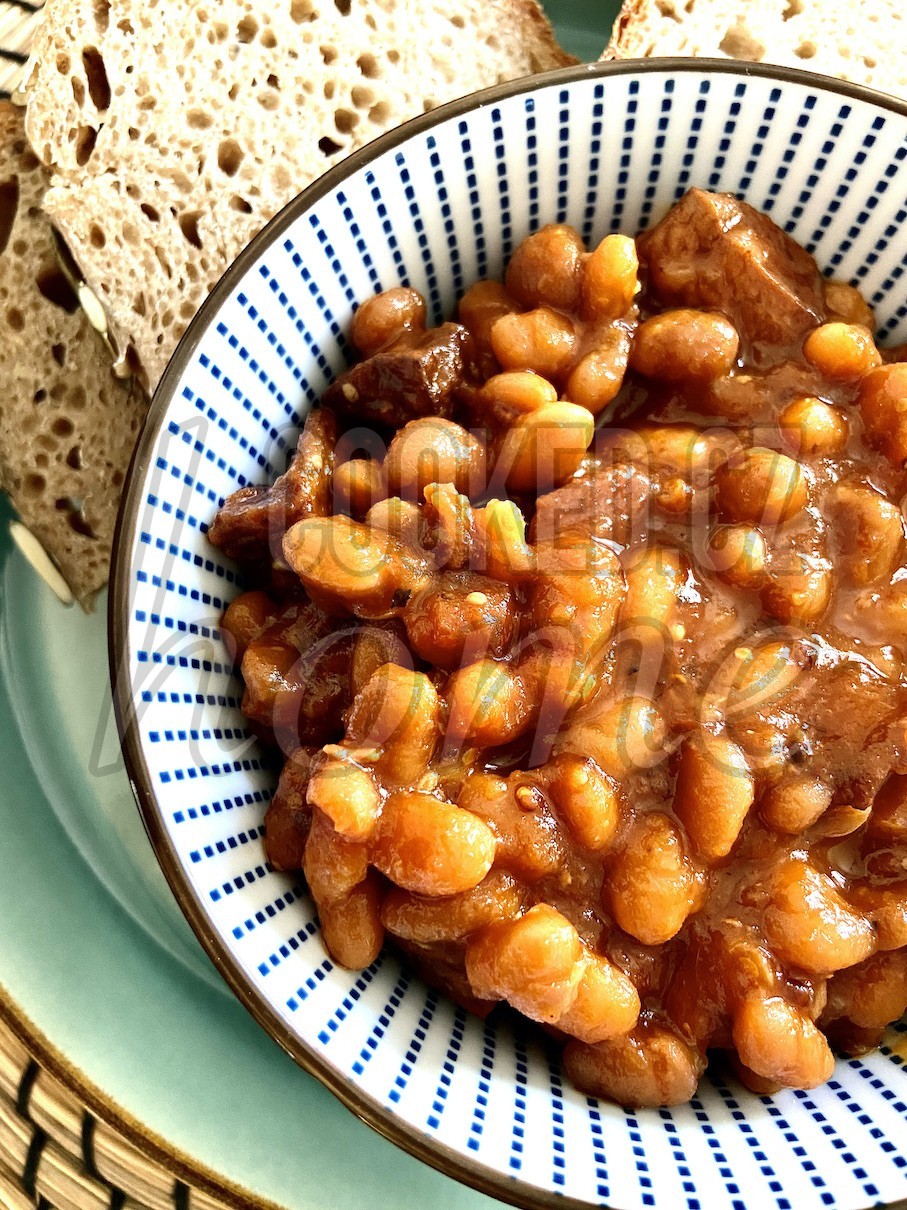
One of the first recorded mentions of baked beans in English-speaking North America can be found in a 1732 cookbook titled “The Compleat Housewife” by Eliza Smith. The recipe described cooking navy beans with pork fat or salt pork and sweetening them with molasses before baking them slowly in a pot or oven. This method allowed the beans to absorb flavors and develop a rich, sweet, and savory taste. Baked beans gained popularity in colonial America due to their affordability, long shelf life, and nutritious qualities. Beans were readily available, inexpensive, and could be stored for extended periods. They became a staple in the diet of early American colonists, especially in New England. In the 19th century, the popularity of baked beans grew as commercial canning methods were introduced. Canned baked beans became a convenient and widely available option, making them even more accessible to people across the United States and other parts of the world.
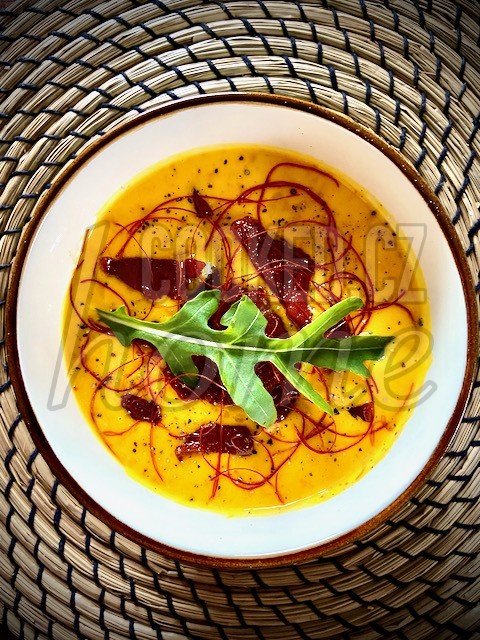
Pumpkins were native to the Americas and were widely grown by indigenous peoples long before the arrival of Europeans. Native American tribes, such as the Algonquins and Iroquois, made use of pumpkins in their diets, incorporating them into stews, soups, and other dishes. With the European colonization of the Americas, pumpkins and squash caught the attention of European settlers, who incorporated these versatile vegetables into their own culinary traditions. Pumpkin soup started to appear in early American cookbooks in the 18th and 19th centuries, showcasing the influence of indigenous cooking techniques on European-American cuisine. Pumpkins were native to the Americas and were widely grown by indigenous peoples long before the arrival of Europeans. Native American tribes, such as the Algonquins and Iroquois, made use of pumpkins in their diets, incorporating them into stews, soups, and other dishes. The practice of cooking pumpkin in liquid form likely led to the development of pumpkin soup.