
The concept of the hot dog originated from European sausages, particularly the Frankfurter Würstchen from Germany and the Wiener Würstchen from Austria. These sausages were brought to America by German immigrants in the 19th century. The first hot dogs were likely sold by German immigrants from carts in New York City in the 1860s. They were called “dachshund sausages” or “frankfurters” and were sold without buns. Another claim to the invention comes from Anton Feuchtwanger, a German immigrant in St. Louis. In the early 1900s, Feuchtwanger was selling hot sausages at a fair and provided white gloves to protect customers’ hands. When customers did not return the gloves, his wife suggested using a split bread roll instead, leading to the creation of the hot dog bun.

The Spanish omelette, known as “tortilla española” or “tortilla de patatas” in Spanish, is one of the most iconic dishes in Spanish cuisine. Its history reflects a combination of simplicity and innovation, deeply rooted in Spanish culture and culinary tradition. The Spanish omelette became a staple in rural and peasant diets due to its simplicity and the availability of ingredients. Potatoes and eggs were accessible and provided a good source of sustenance for laborers and their families.
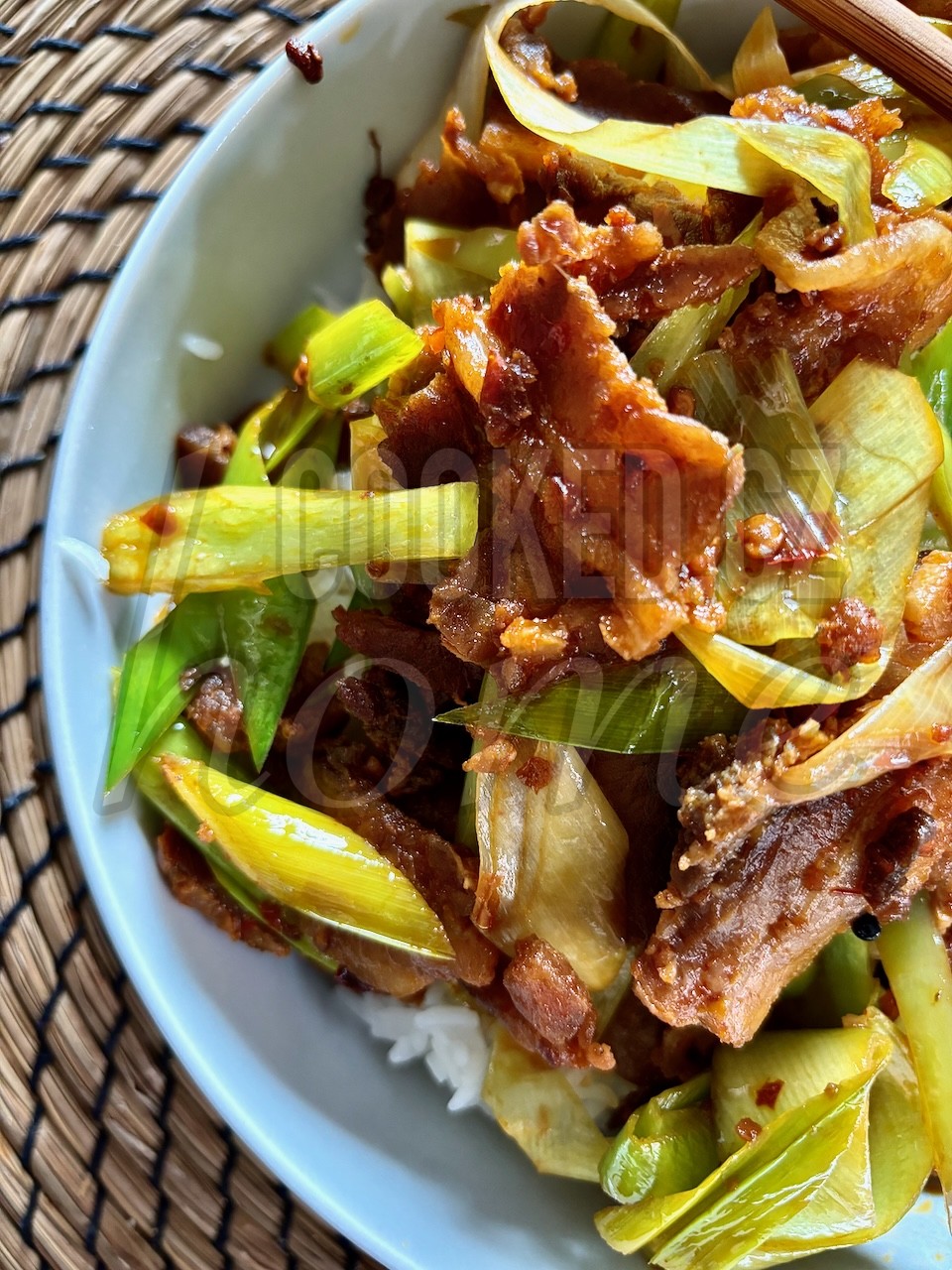
Hui Guo Rou, also known as Twice-Cooked Pork, is a traditional dish from Sichuan (Szechuan) cuisine, which is one of the most famous and flavorful culinary traditions in China. The dish’s name, “twice-cooked,” refers to the unique cooking process that involves boiling the pork belly first and then stir-frying it.
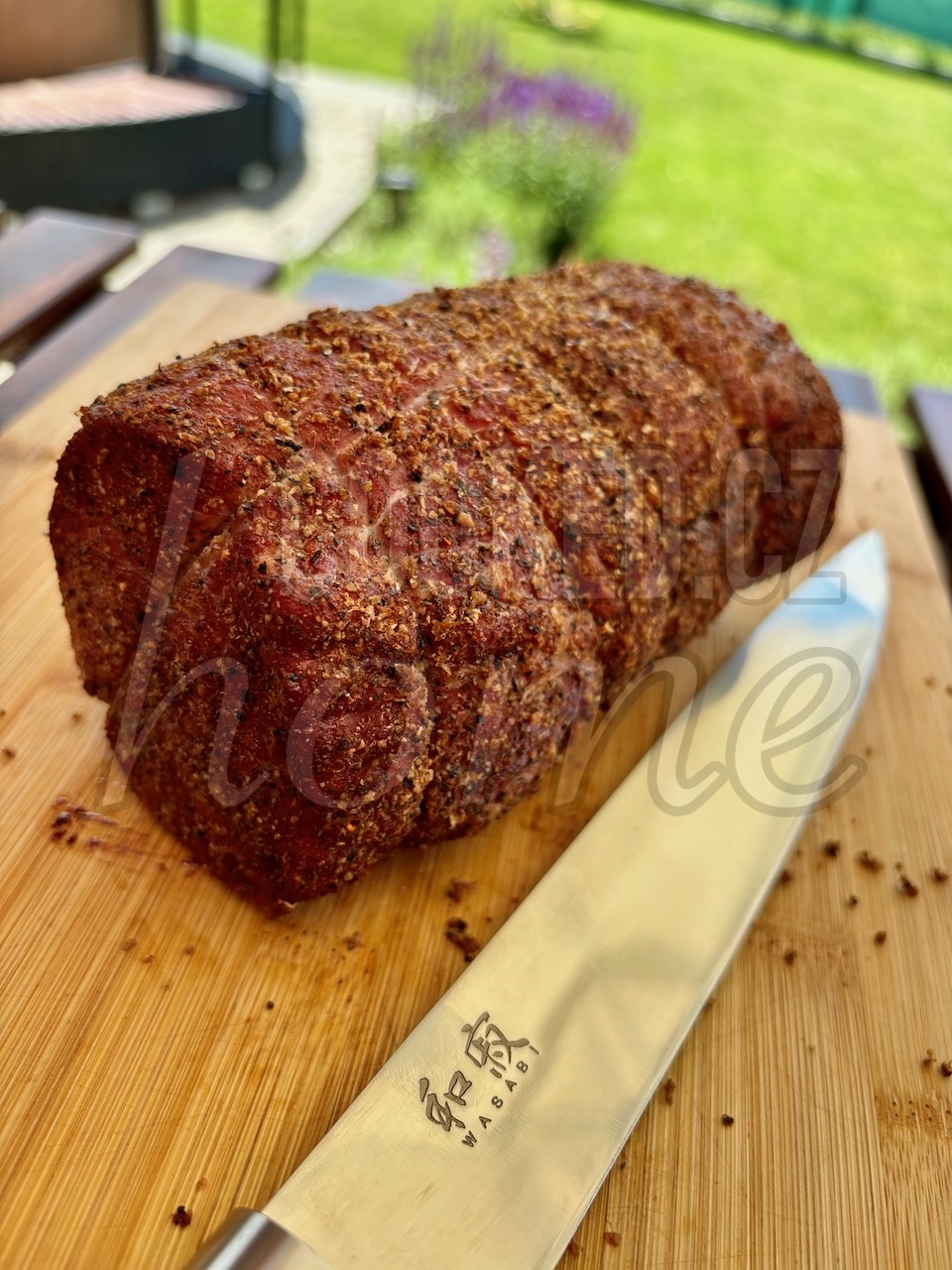
The eye of round is a lean, flavorful cut from the round primal of the cow, located on the hind leg. It’s known for its uniform shape and fine grain, making it ideal for roasting and slicing thinly for cold cuts. Roasting the eye of round at a low temperature ensures it remains tender and juicy. After roasting, it is typically cooled, then thinly sliced for use in sandwiches and platters.
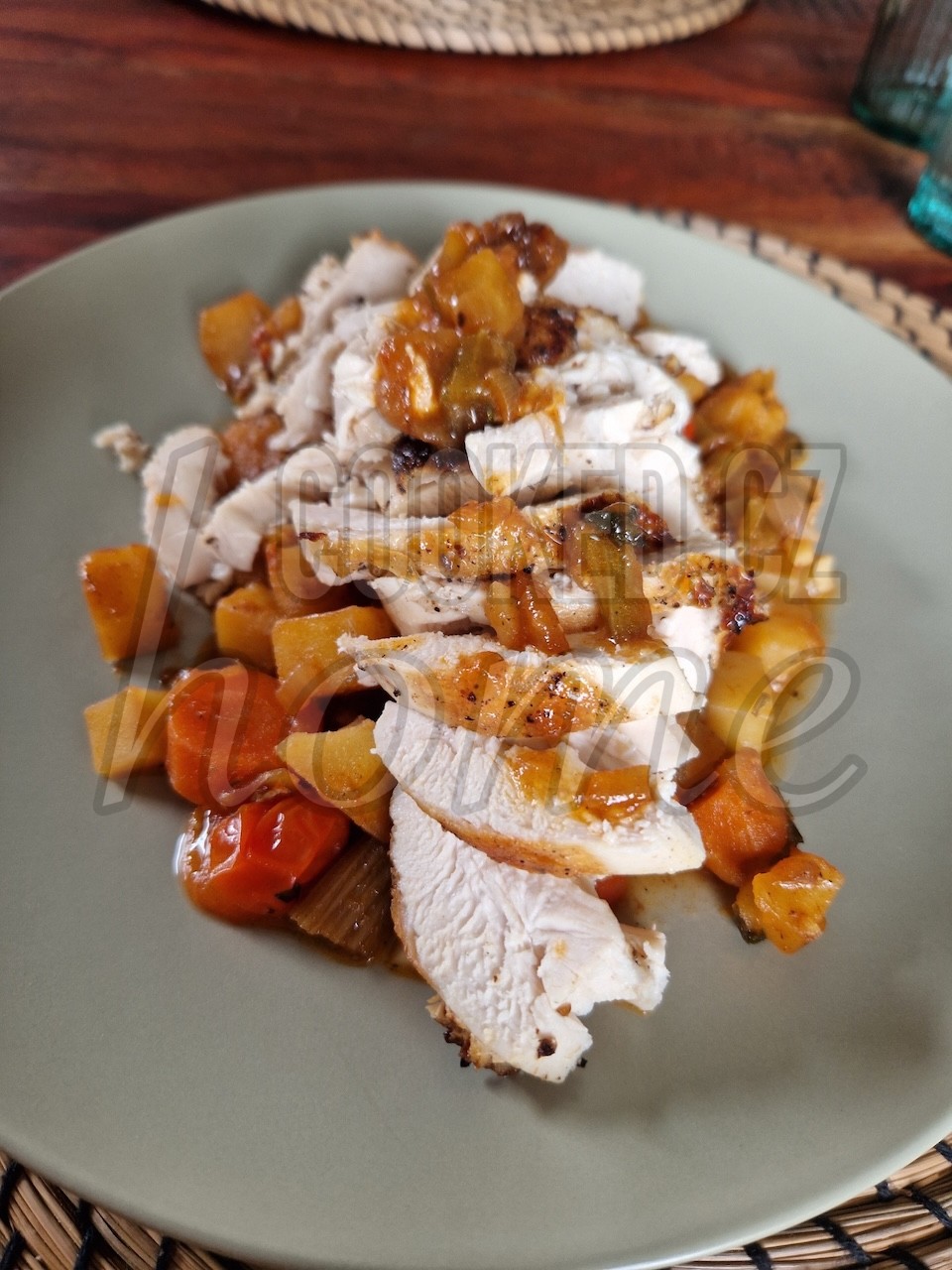
Chicken Cacciatore, a rustic Italian dish, traces its origins back to the countryside where hunters would prepare meals with freshly caught game birds simmered in tomatoes, herbs, and wine. Over time, the recipe evolved to include chicken as a more accessible and widely available protein, becoming a beloved staple of Italian-American cuisine.
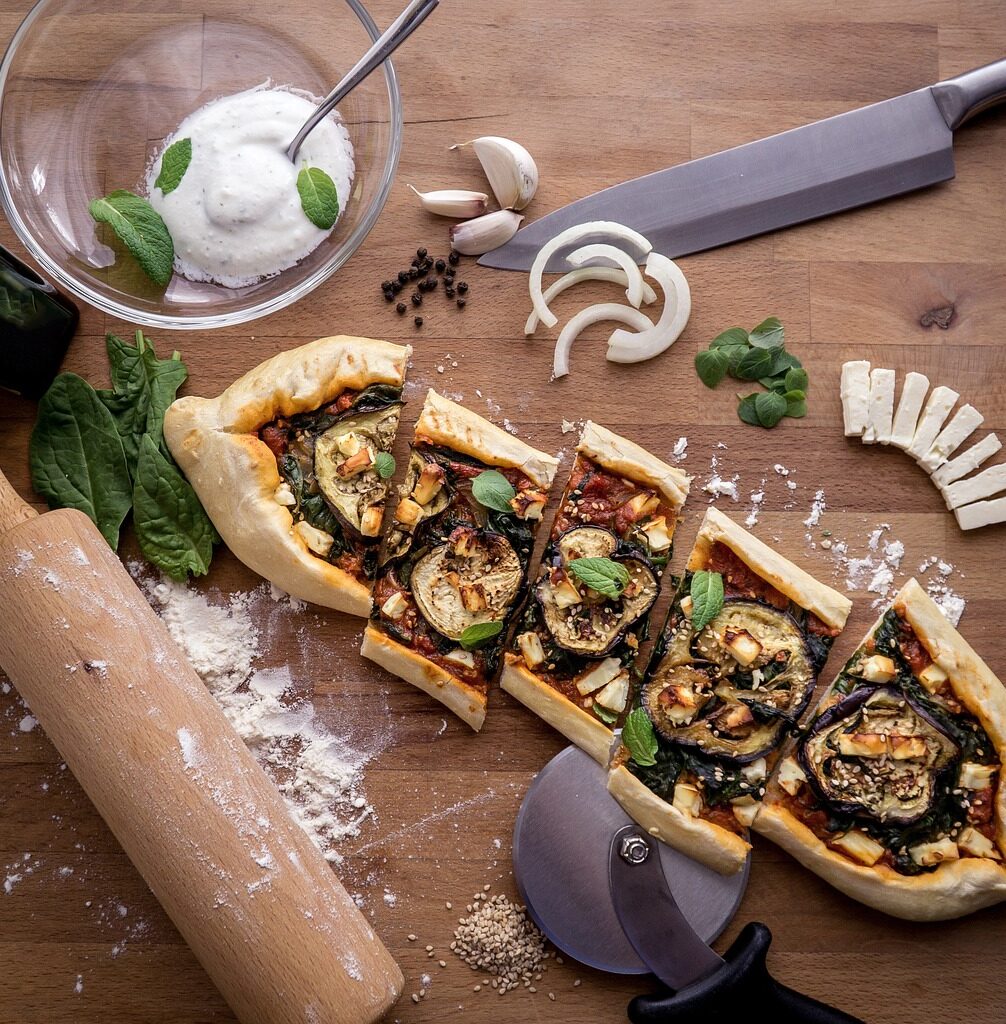
“Pida bread,” also known as “pide” or “Turkish pide,” is a type of traditional Turkish bread with a long history. The origins of pida bread can be traced back to ancient times in the region that is now Turkey and surrounding areas. Bread-making has been a central part of the cuisine and culture of this region for thousands of years. Pide, a traditional Turkish bread often compared to pizza due to its toppings, has a fascinating history that intertwines with the culinary traditions of the region.
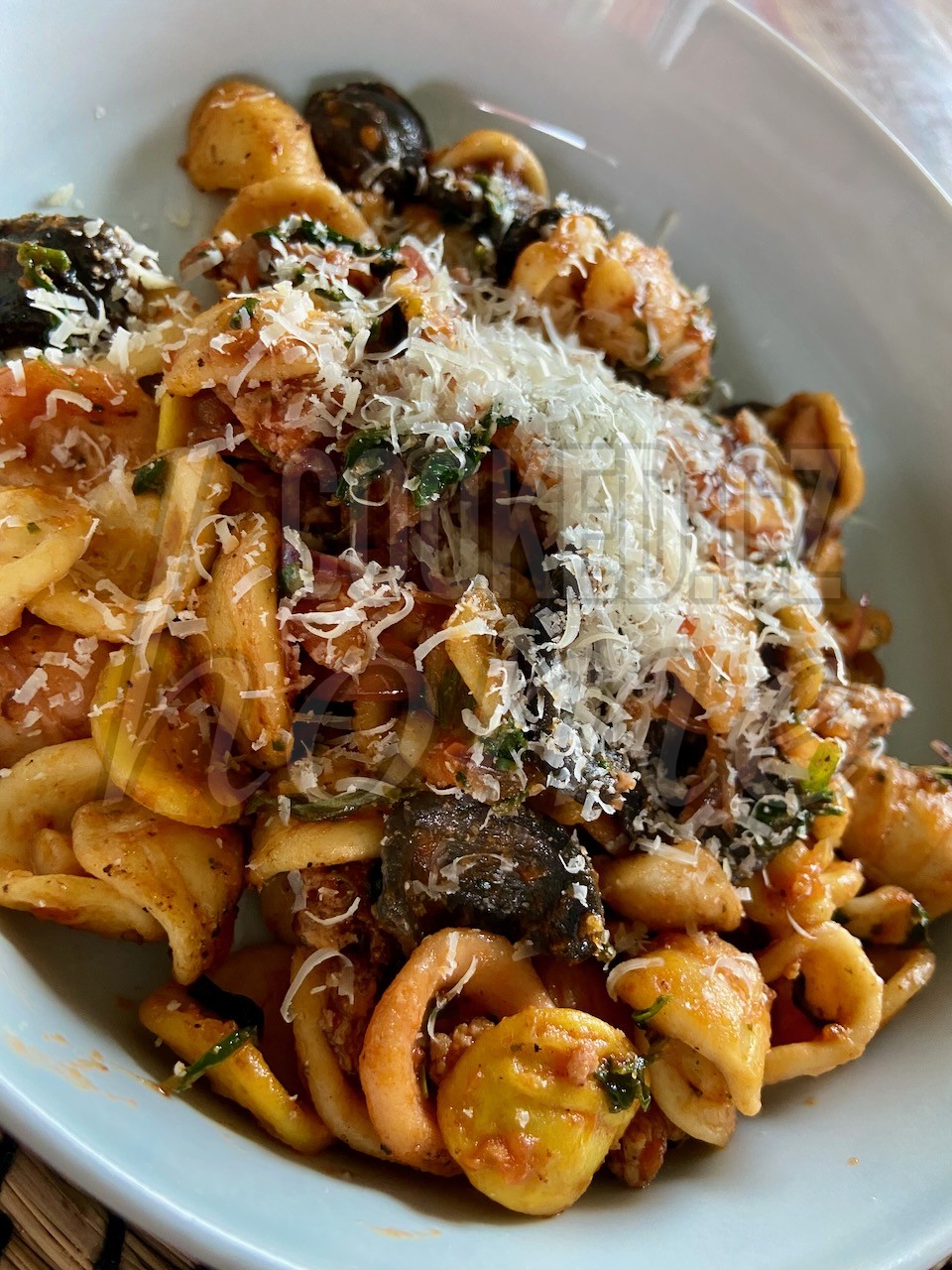
Orecchiette, which means “little ears” in Italian, is a traditional pasta shape that has its roots in the southern regions of Italy, particularly in Puglia. The history of orecchiette pasta dates back several centuries, and it is closely tied to the culinary traditions of the Italian people. Orecchiette is strongly associated with the region of Puglia, located in the southeastern part of Italy. Puglia’s capital, Bari, is often considered the birthplace of orecchiette. The origins of orecchiette can be traced back to the medieval period. The pasta shape is thought to have been created by local housewives who used simple ingredients like durum wheat semolina and water to make their pasta. Frying orecchiette, like other types of pasta, likely emerged as a practice in response to the desire to transform and repurpose leftover or cooked pasta in a flavorful way. Frying pasta brings interesting texture and bit of the crunch in to the dish.
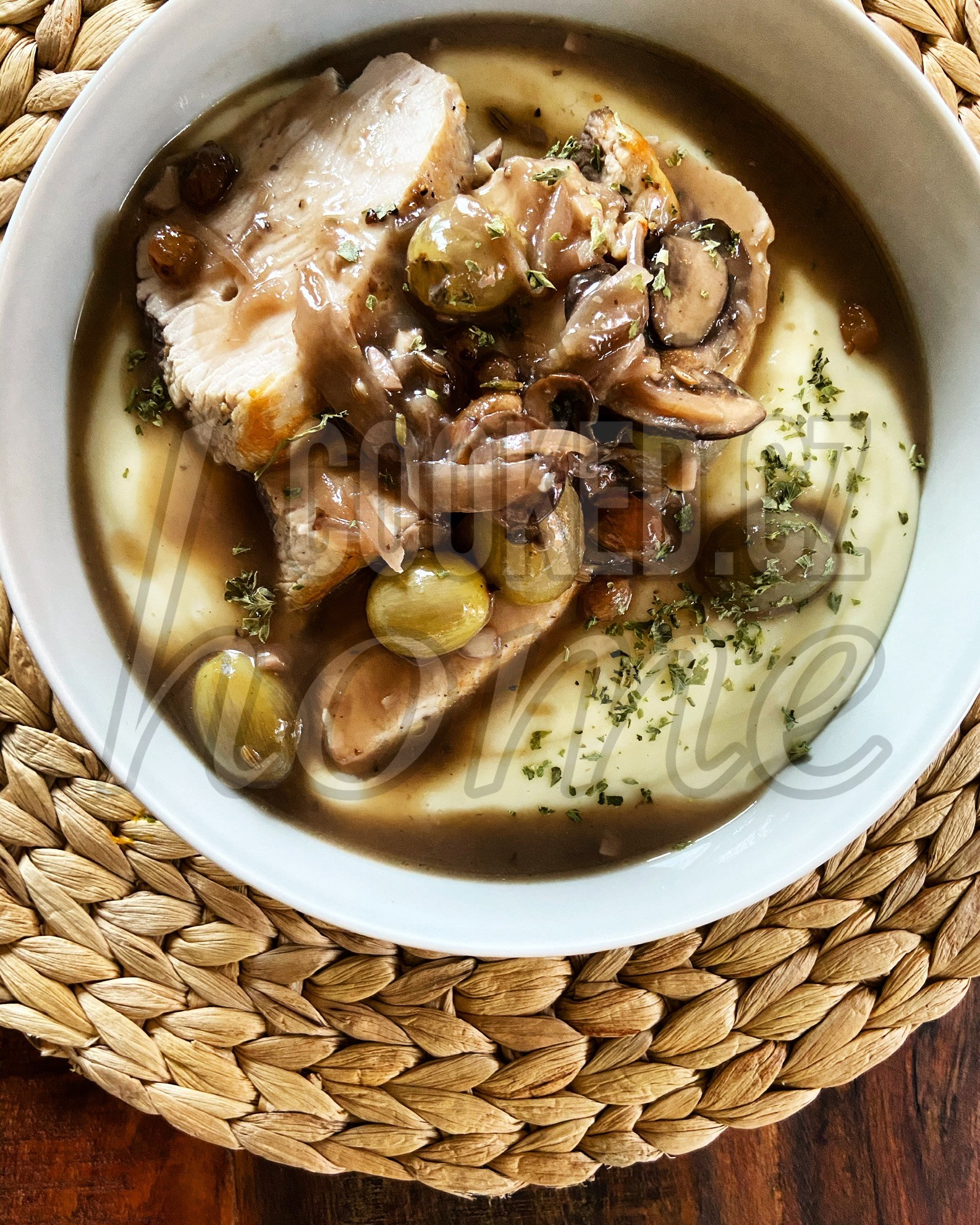
The term “en cocotte” refers to a cooking method where food is cooked in a covered, oven-safe dish, often made of cast iron or clay. It’s a French term that translates to “in a casserole” or “in a pot.” Turkey Breast en Cocotte, therefore, refers to turkey breast cooked using this method. While there isn’t a specific historical origin for this dish, we can explore the general history of cooking methods like “en cocotte.” Turkey is not traditionally a staple in classic French cuisine, as poultry like chicken and duck have historically been more popular. However, the concept of slow-cooking meats in a covered dish is a technique that could be applied to various types of meat, including turkey.
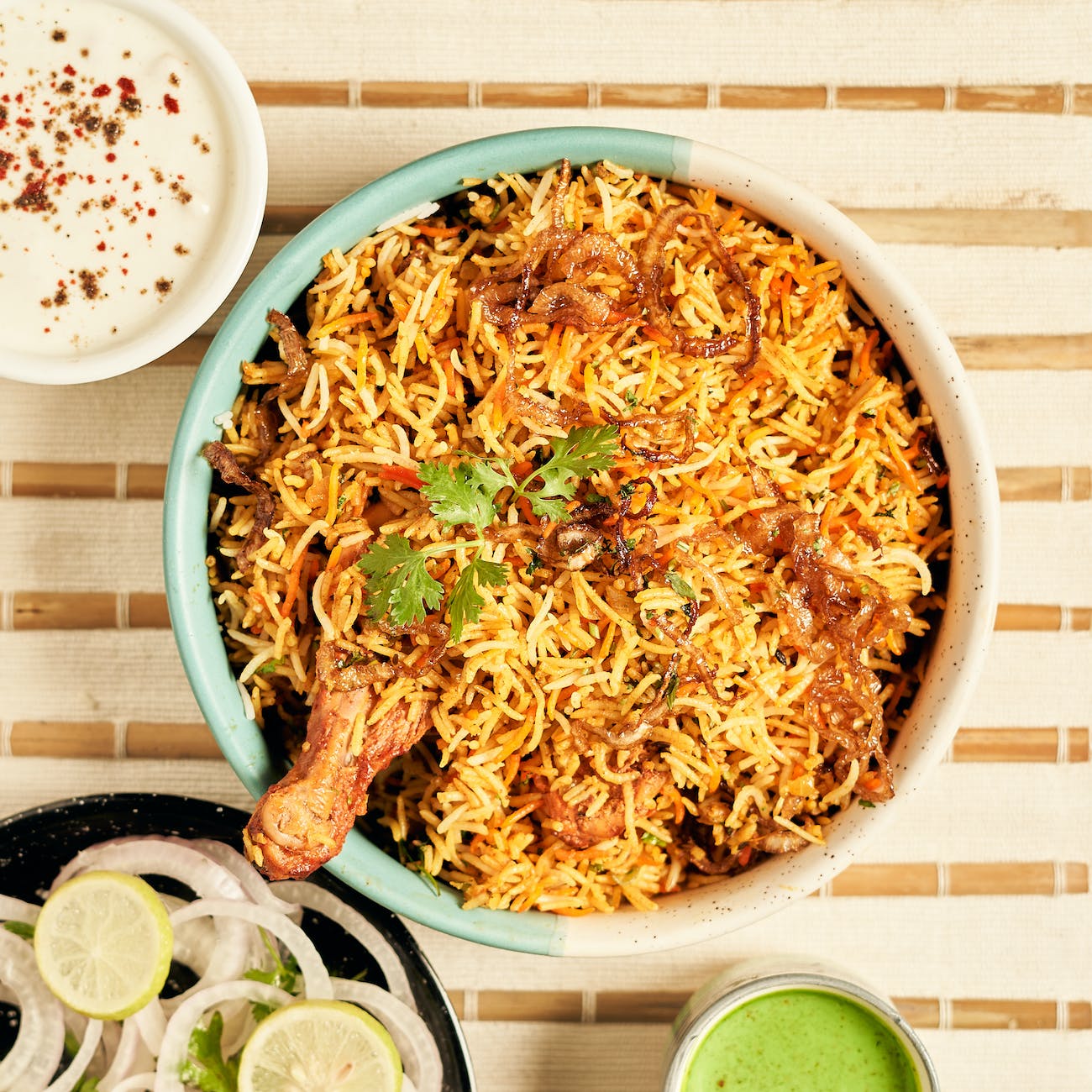
Chicken Biryani is a popular and flavorful dish that has a rich history rooted in South Asian culinary traditions. Biryani is believed to have originated in the Indian subcontinent, with its roots tracing back to Persia. The dish evolved over centuries, influenced by the culinary practices of various regions. Biryani underwent further evolution as it spread to different regions of the Indian subcontinent. Each region developed its own variations, incorporating local ingredients and cooking styles. Chicken Biryani became a popular variant, featuring marinated chicken layered with fragrant basmati rice and a blend of aromatic spices.
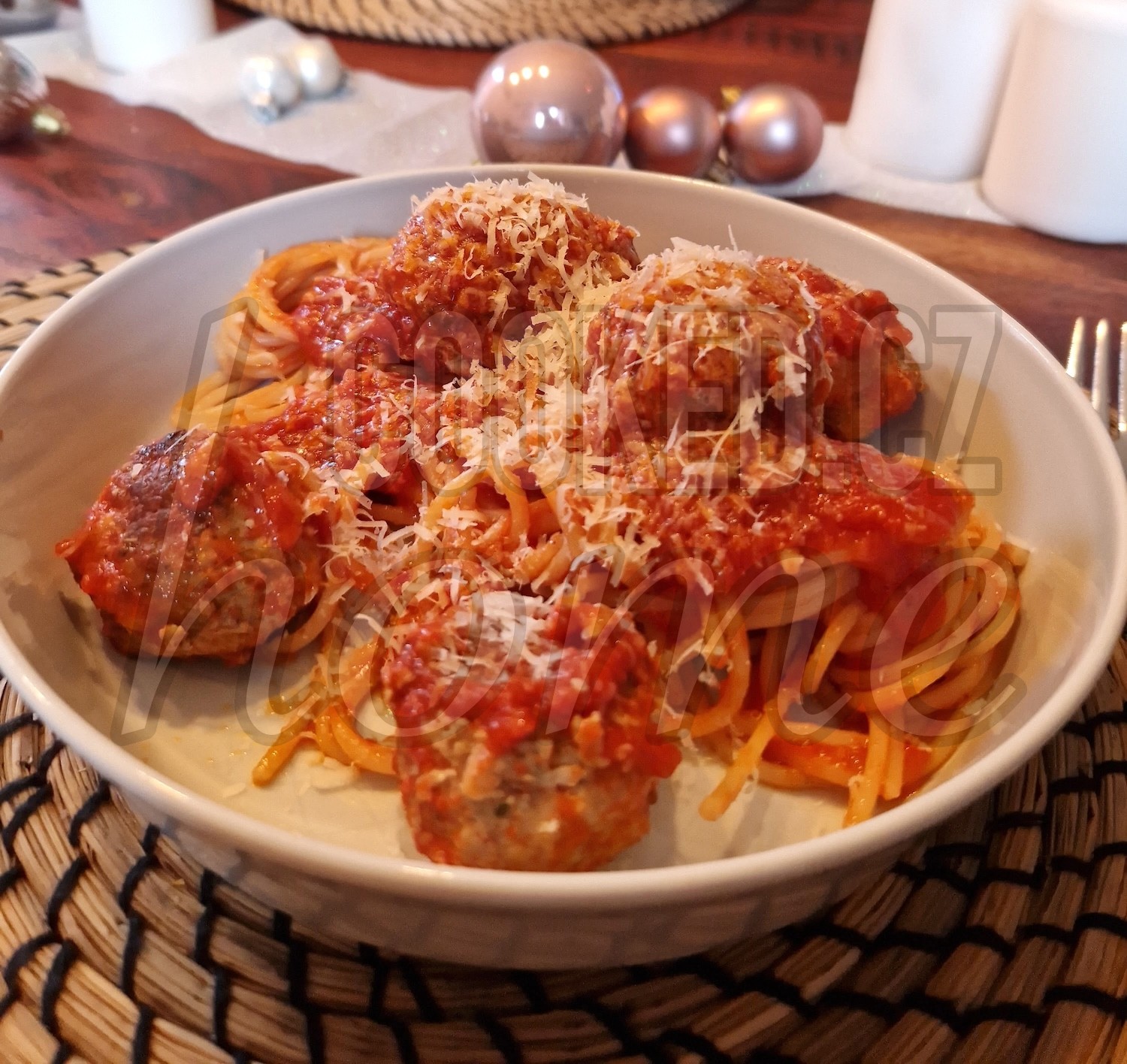
The ancient Romans had a dish called “isicia omentata,” which was made by mixing minced meat with bread soaked in wine and various seasonings. These could be considered early versions of meatballs. The recipe, attributed to the Roman gourmet Apicius, can be found in the “Apicius,” a Roman cookbook dating back to the 4th or 5th century CE. In this recipe we are using only one skillet. This will allow us to maximize flavor by fond which is created during step of meatballs browning. Additionally all the fat which is released by meatballs will stay in the sauce which contributes to the complexity of sauce. If you are in rush you can simmer your sauce separately while you are browning your meatballs, but you will scarify flavor for gained speed.