
This recipe features a spicy chili base with Sichuan peppercorns and dried spices, resulting in complex flavors. The detailed process includes blanching the beef, preparing aromatics, and simmering for a rich broth.
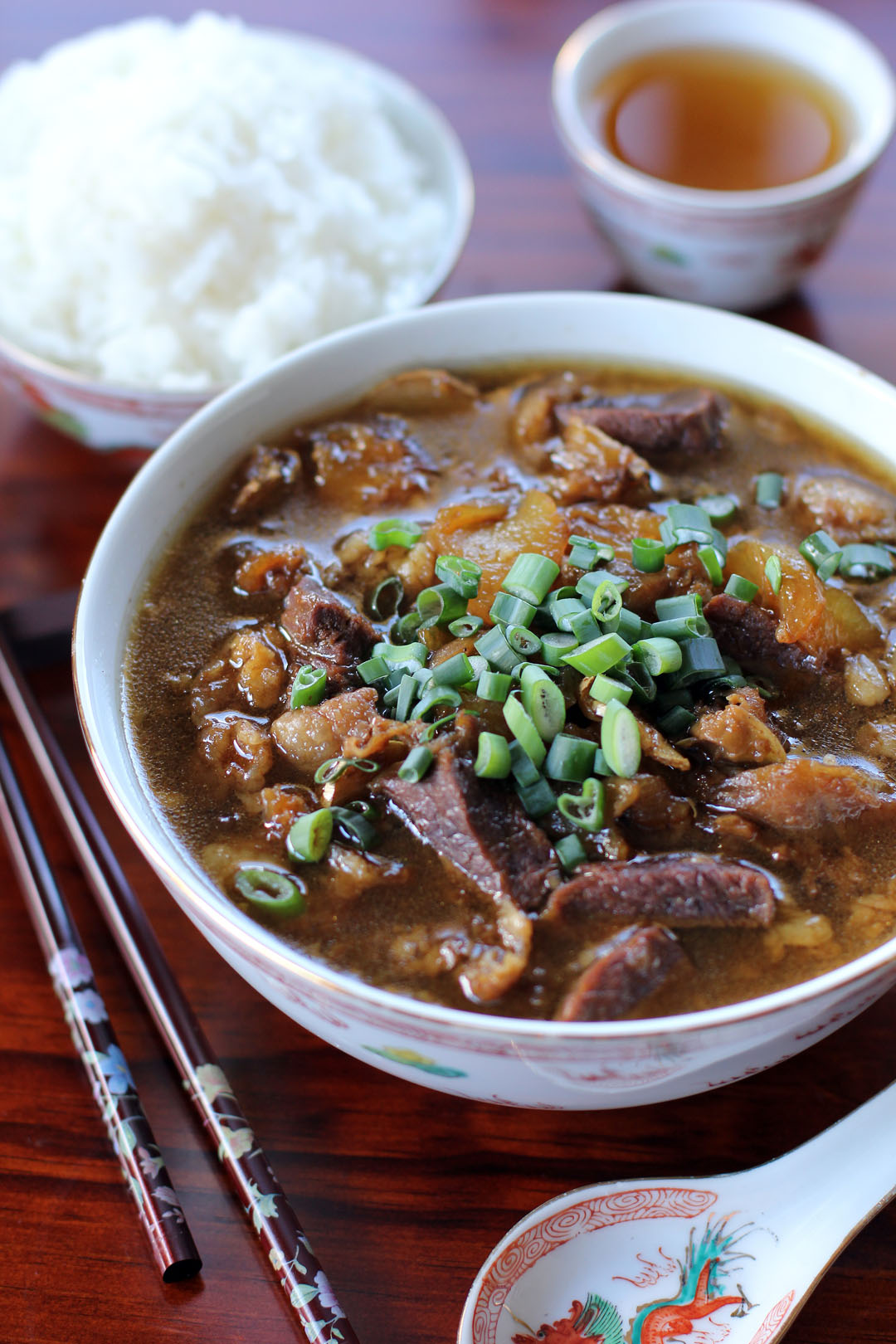
This recipe features a spicy chili base with Sichuan peppercorns and dried spices, resulting in complex flavors. The detailed process includes blanching the beef, preparing aromatics, and simmering for a rich broth.
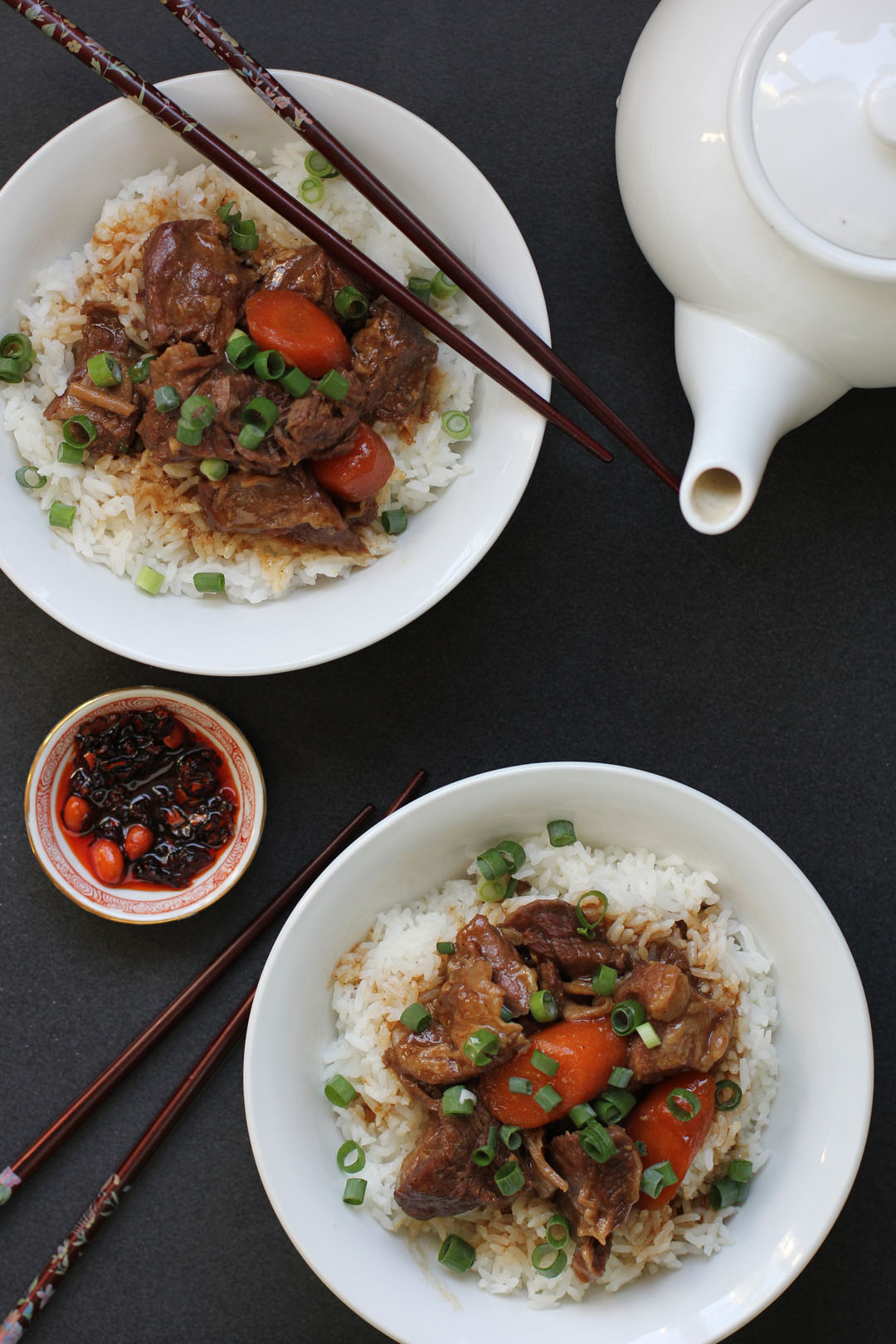
Rich, slow-braised brisket melts into tender strands coated in a savory tomato-soy sauce. The sauce is glossy and balanced with deep beefy umami with a gentle sweet-sour freshness from tomatoes. Wide Biang Biang noodles soak it up, giving every bite bold flavor and satisfying chew. It’s comforting, hearty, and vibrant at the same time, perfect for a luxurious but rustic meal.
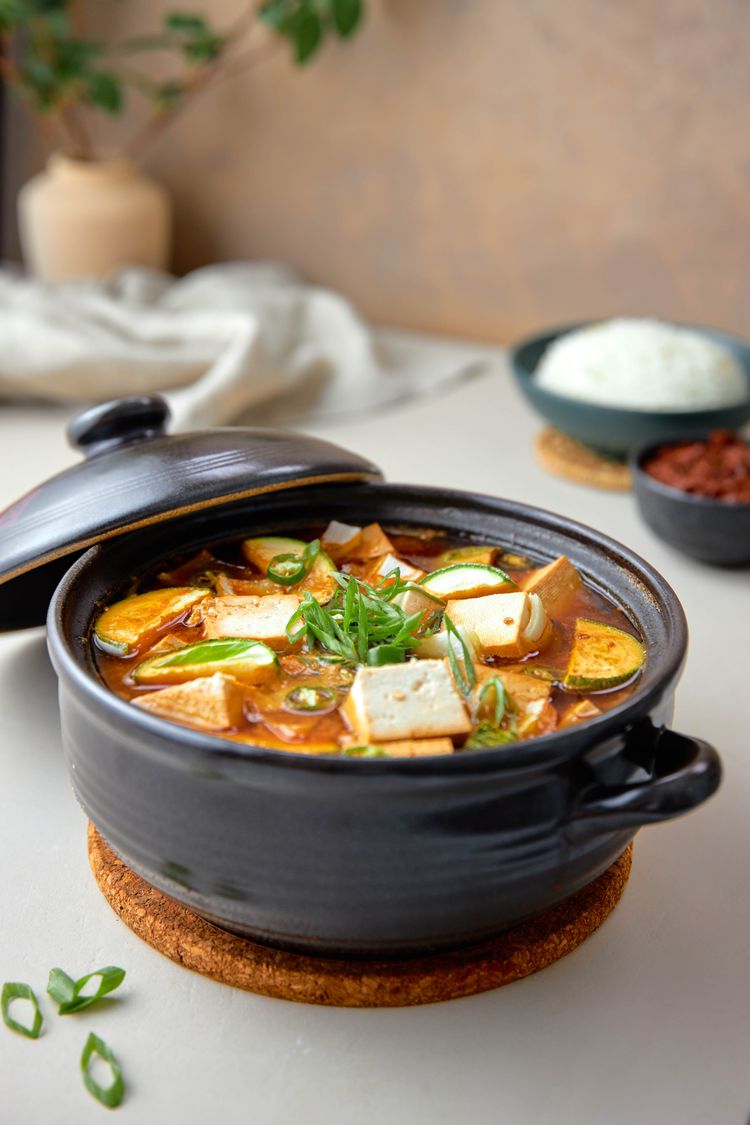
Doenjang jjigae is a traditional Korean stew made with fermented soybean paste, giving it a deep, savory, and slightly funky flavor. It’s simmered with tofu, vegetables like zucchini and onions, and often seafood or pork for richness. The result is a hearty, comforting dish that’s commonly eaten bubbling hot with rice as a daily staple in Korean homes.
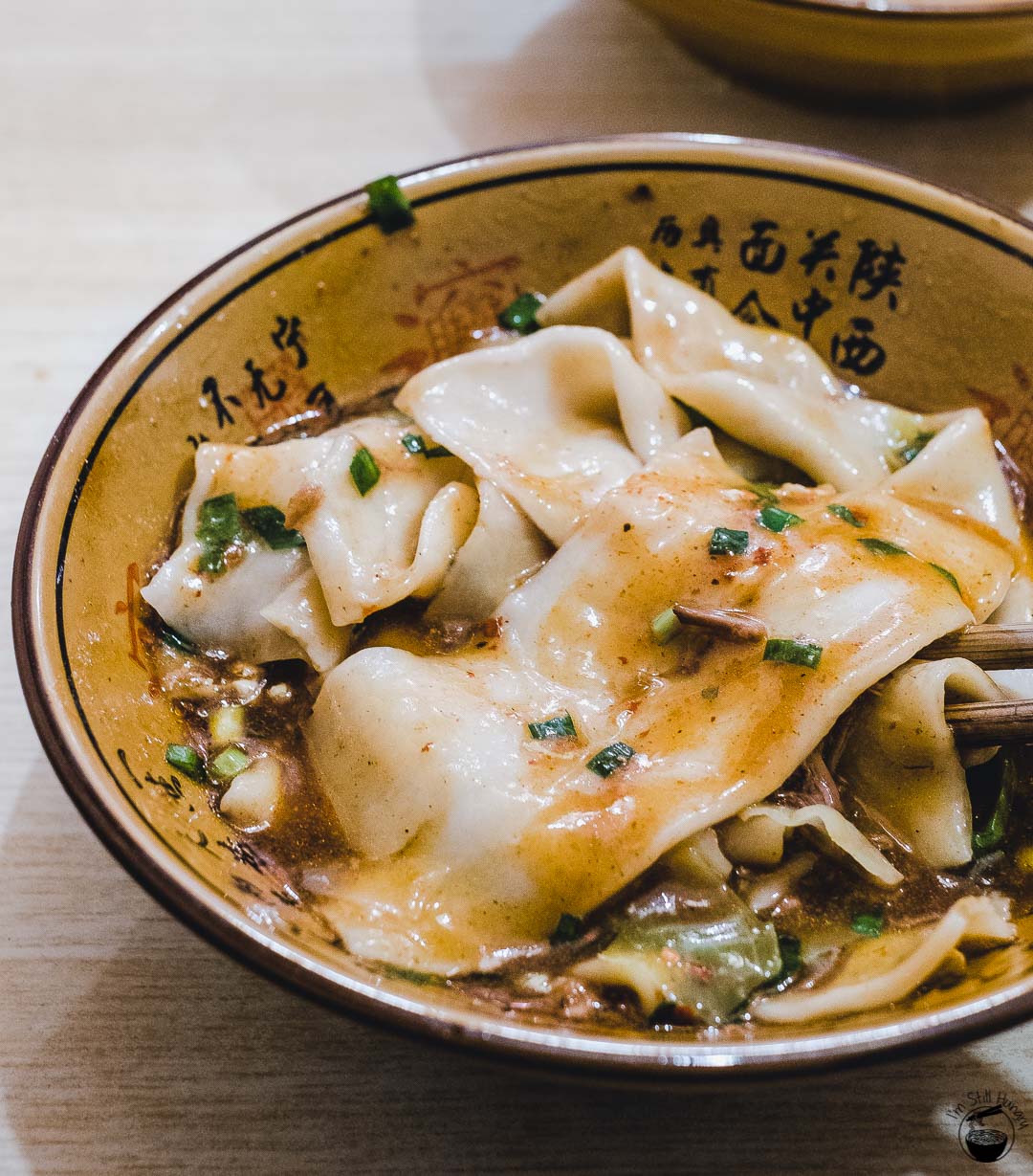
Biang Biang noodles are thick, hand-pulled wheat noodles from China’s Shaanxi region, famous for their wide, belt-like shape and chewy texture. They’re typically topped with chili oil, garlic, soy sauce, vinegar, and often meat or vegetables, creating a bold, spicy, savory flavor.
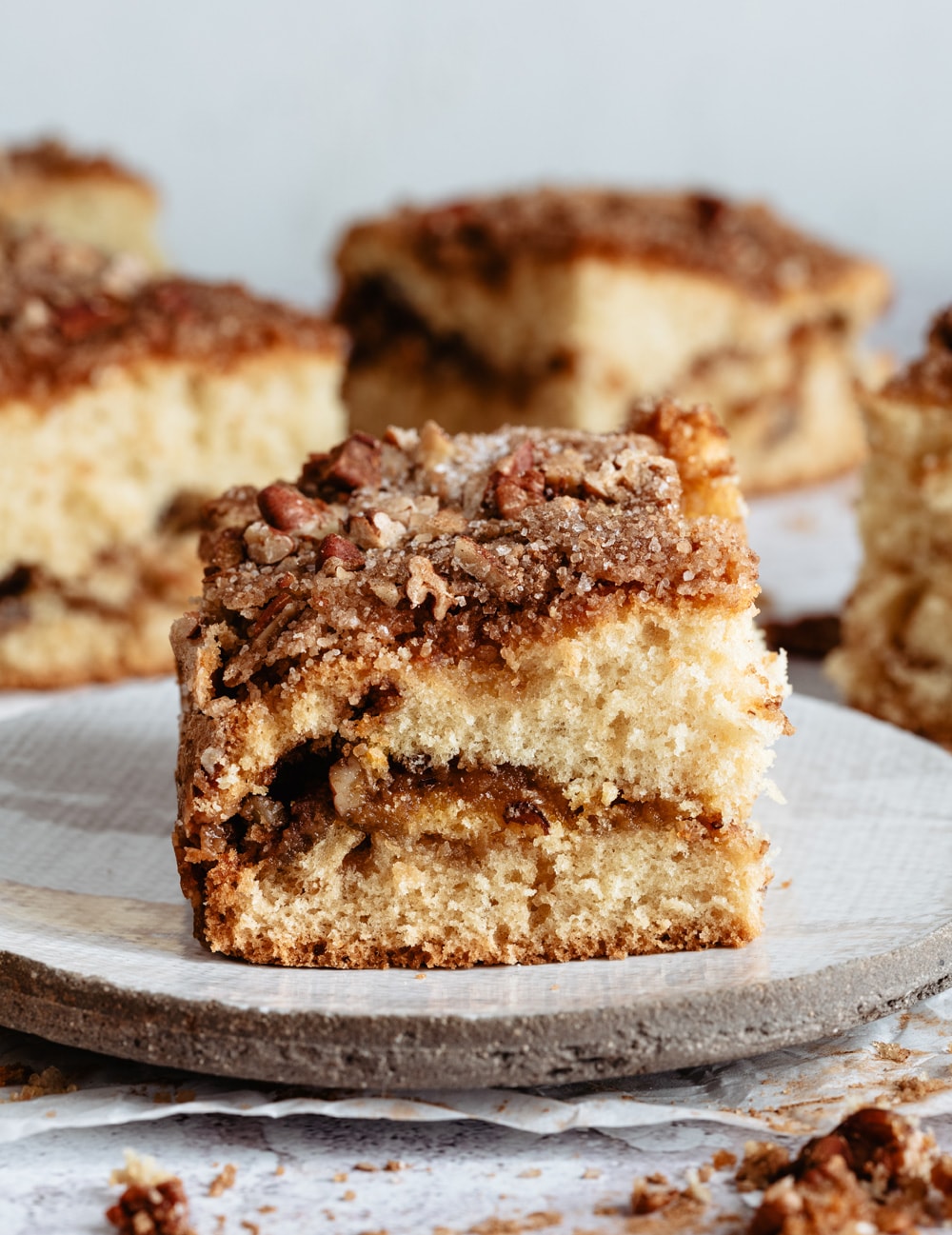
Perfect for breakfast, brunch, or dessert, this cherry cake recipe is rich, flavorful, and surprisingly easy to make. This cozy homemade coffee cake combines frozen sour cherries, butter, and a tender yeast-raised dough for an elevated twist on a classic.
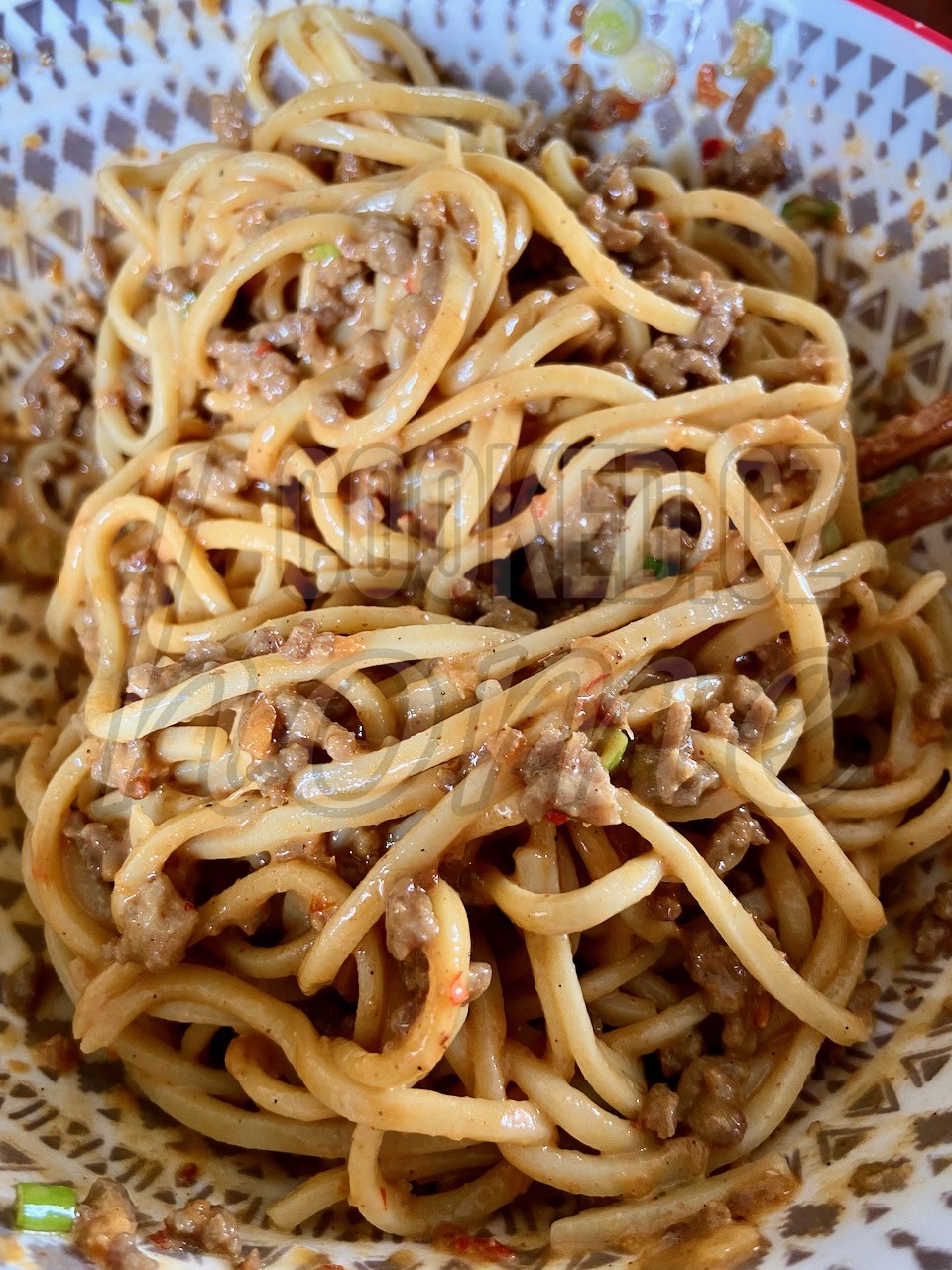
This recipe is more or less fusion of Japanese and Sichuan cuisine. It builds on the dan dan noodles recipe. First we cook pork with Sichuan spices to make it aromatic and fragrant. Sauce on the other hand is using Shiro miso paste which is Japanese ingredient. In combination with rest of the ingredients we create creamy sauce, which coats the noodles all over, bringing the two worlds together.
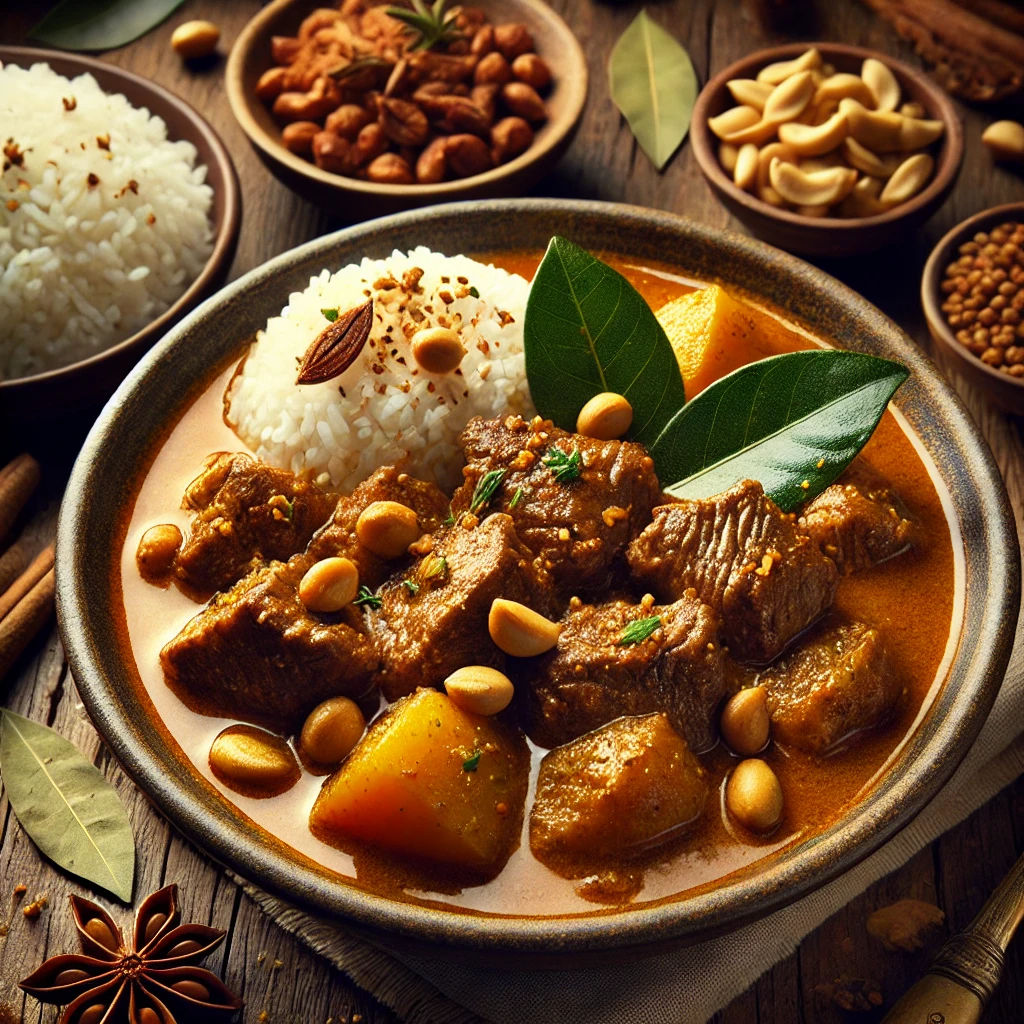
Massaman Neua, a rich and aromatic Thai curry with beef, has Persian and Malay influences, introduced to Thailand by Muslim traders in the 17th century. Its blend of Indian spices, coconut milk, and local Thai ingredients reflects the cultural fusion of the Ayutthaya period. Massaman Neua stands out for its unique blend of Thai, Indian, and Persian flavors, combining warm spices like cinnamon, cardamom, and cumin with rich coconut milk and tender slow-cooked beef. Its slightly sweet, savory, and mildly spicy profile, enhanced by peanuts and potatoes, makes it a comforting yet complex dish.
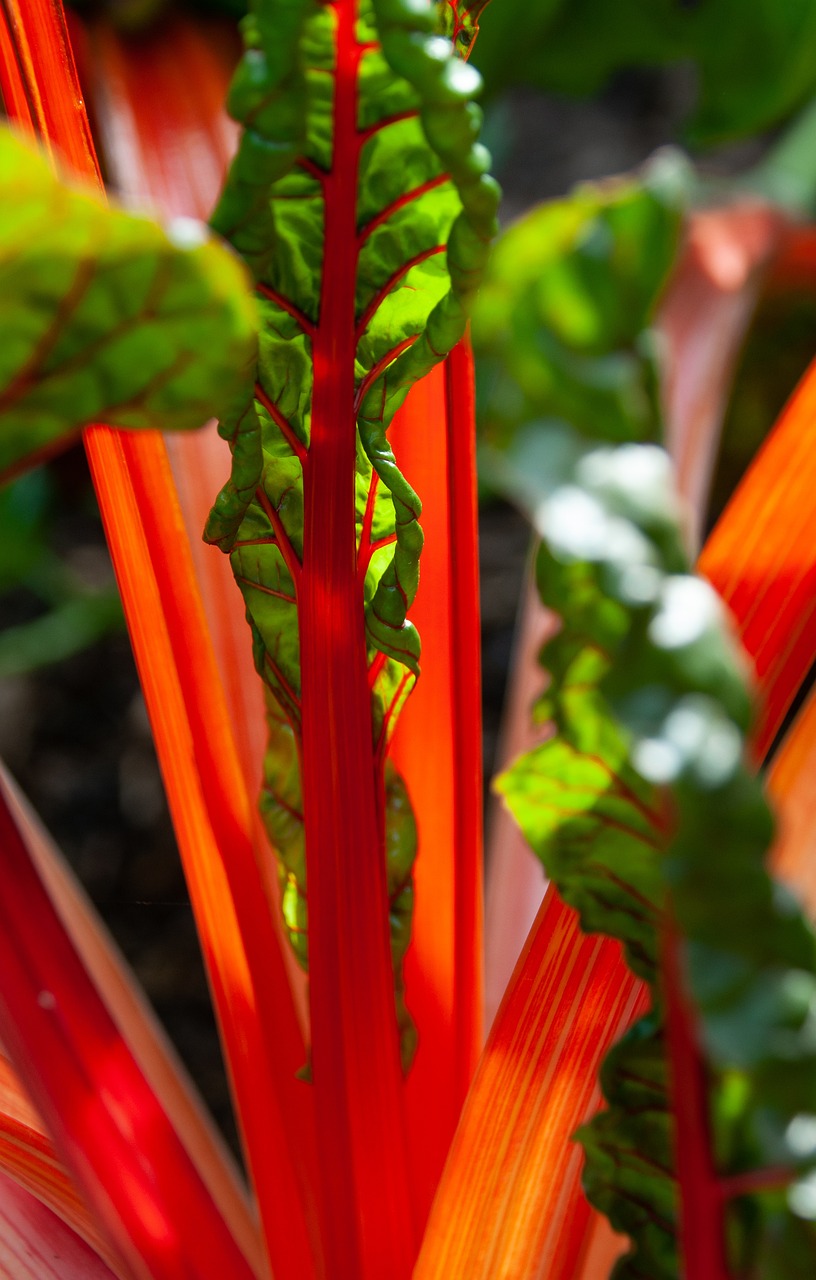
Great soup recipe to make use of mangold leaves from your garden, which are very healthy and nutritious. In supermarket you most likely won’t come around mangold leaves, best substitute for this is a whole kale head.
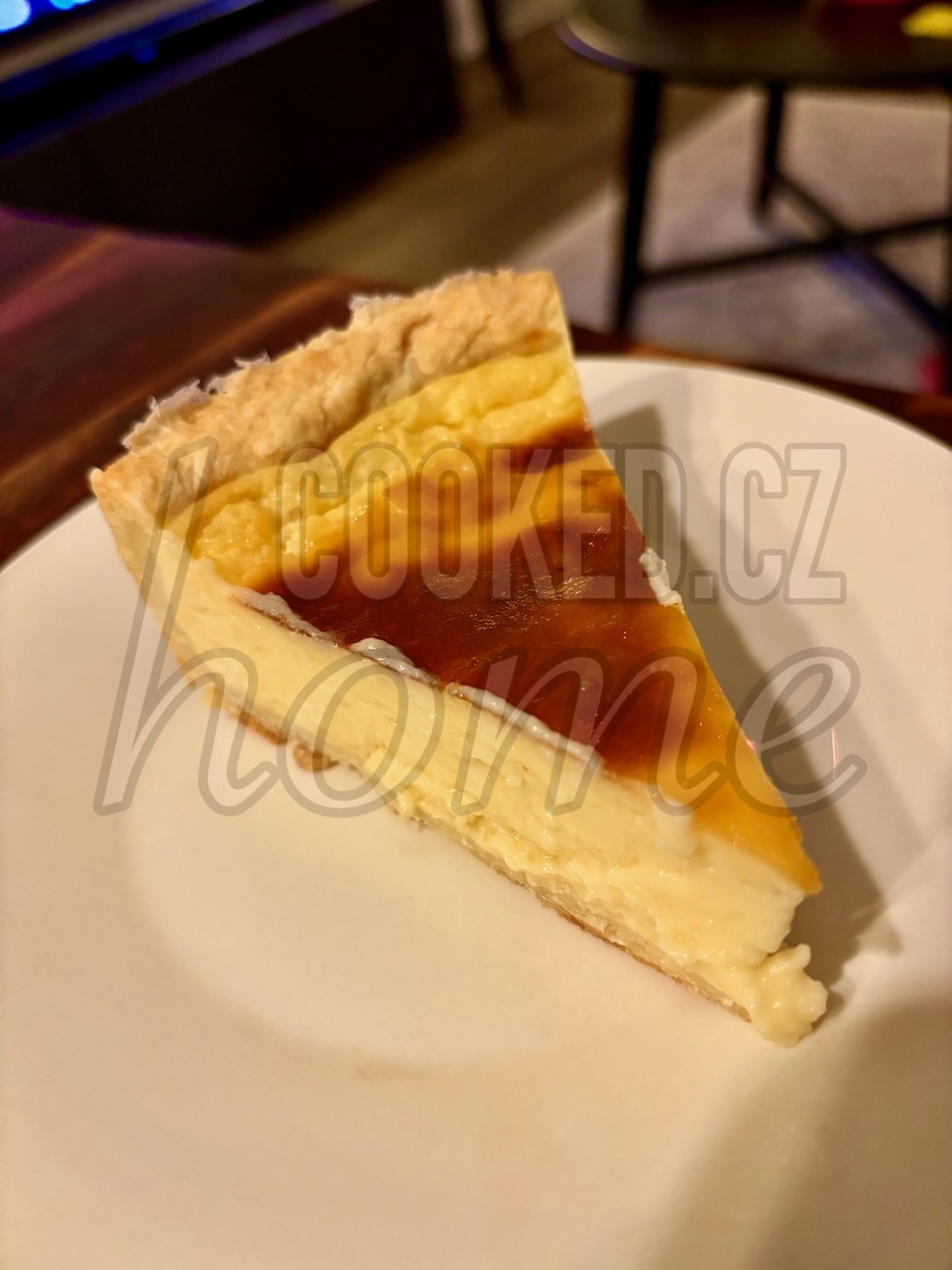
Flan Pâtissier, also known as Parisian flan, is a classic French dessert that combines a silky, vanilla-infused custard with a buttery, flaky pastry crust. This elegant and timeless treat is a staple in French patisseries, beloved for its rich flavor and creamy texture. Perfect for any occasion, Flan Pâtissier showcases the simplicity and sophistication of French baking, making it a delightful addition to your dessert repertoire. Flan Pâtissier, or Parisian flan, dates back to medieval France, where early custard tarts were a favorite among royalty. Its roots can be traced even further to ancient Roman cuisine, which celebrated egg-based dishes. Over the centuries, this creamy, custard-filled pastry has evolved into a beloved staple of French patisseries, delighting dessert lovers around the world with its rich history and irresistible flavor.
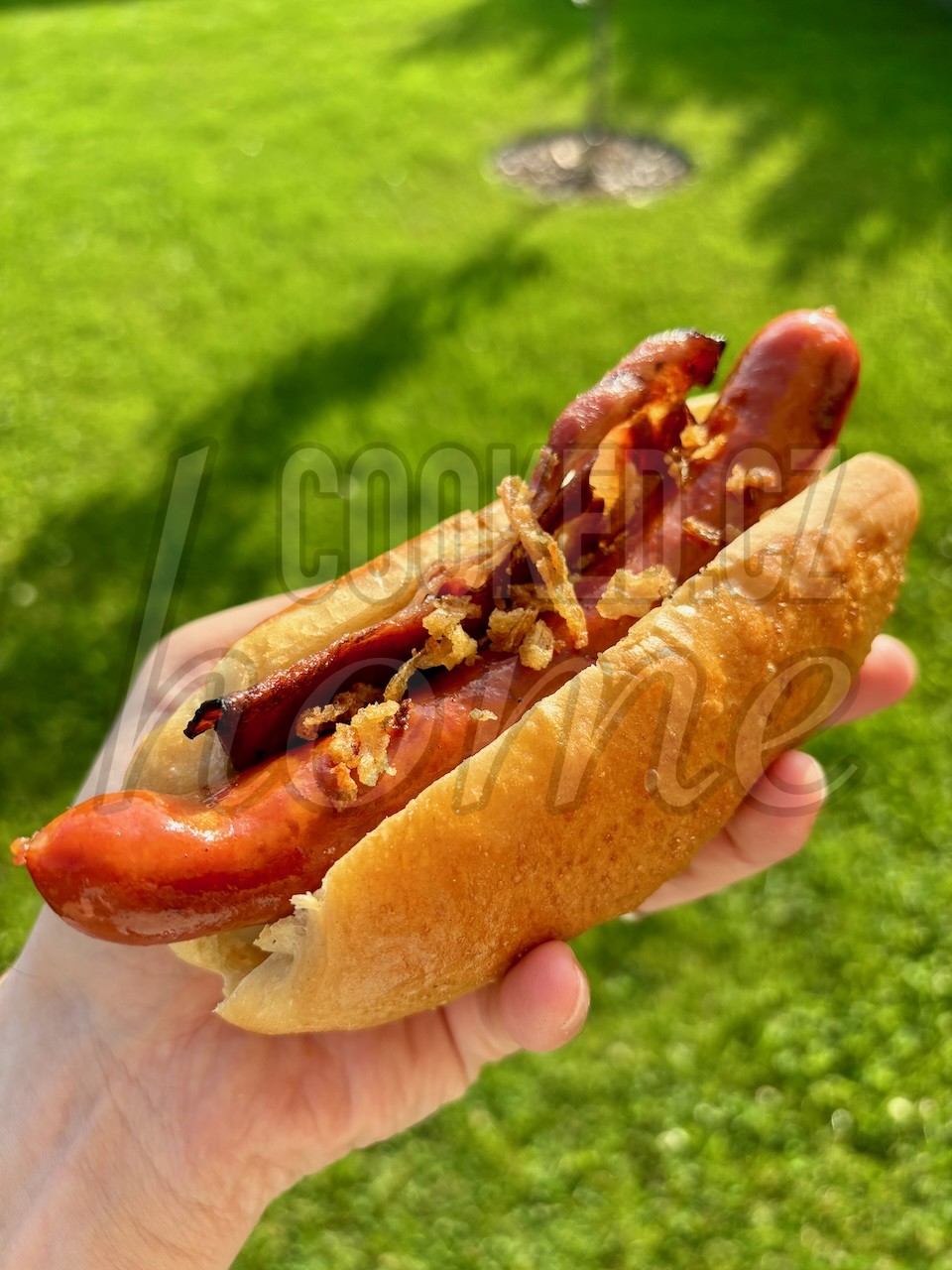
The concept of the hot dog originated from European sausages, particularly the Frankfurter Würstchen from Germany and the Wiener Würstchen from Austria. These sausages were brought to America by German immigrants in the 19th century. The first hot dogs were likely sold by German immigrants from carts in New York City in the 1860s. They were called “dachshund sausages” or “frankfurters” and were sold without buns. Another claim to the invention comes from Anton Feuchtwanger, a German immigrant in St. Louis. In the early 1900s, Feuchtwanger was selling hot sausages at a fair and provided white gloves to protect customers’ hands. When customers did not return the gloves, his wife suggested using a split bread roll instead, leading to the creation of the hot dog bun.